



Buying a home is a major responsibility, and keeping the roof in good condition is an important part of home maintenance. Regular roof maintenance can help you identify small problems before they become more serious or costly to repair.
New homeowners may not always know what to check or how often to inspect their roof. Simple steps such as checking for damaged shingles, clearing gutters, and looking for signs of leaks can help you stay aware of your roof’s condition.
This guide covers practical roof maintenance tips for new homeowners, including inspections, gutter care, debris removal, tree trimming, storm checks, and when to call a roofing professional.
Why Roof Maintenance Matters for Homeowners
Regular roof maintenance helps homeowners identify problems before they become more serious. Damaged shingles, clogged gutters, and early signs of leaks are generally easier to address when caught early.
A well-maintained roof also helps protect your home from rain and moisture. Keeping the roof, gutters, flashing, and drainage areas in good condition can reduce the risk of water getting into areas where it can cause damage.
Roof maintenance also helps you understand the condition of your roof. Regular checks can reveal wear, storm damage, or other issues that may need professional attention.
For basic maintenance, check your roof and related areas regularly, and inspect them more closely after severe weather. A more thorough inspection at least once a year can also help you identify problems you may not notice during routine checks.
1. Inspect Your Roof Regularly
Regular roof checks can help you identify signs of wear or damage before they become more serious problems. Start with a visual inspection from the ground and other safe areas around your home. If you need to access the roof, consider hiring a roofing professional rather than taking unnecessary safety risks.
Look for Damaged or Missing Shingles
Check for shingles that are missing, broken, or visibly damaged. Missing or damaged shingles can leave parts of the roof exposed to rain and other weather conditions.
Check for Cracked, Curling, or Loose Materials
Look for shingles or other roofing materials that are cracked, curled, lifted, or loose. These signs can indicate wear and may need further inspection.
Look for Signs of Water Damage
Check ceilings, walls, and attic areas for water stains, damp spots, or signs of moisture. A leak may not always appear directly below the damaged area, so persistent moisture should be checked by a professional.
Check Roof Flashing and Seals
Pay attention to the flashing around chimneys, vents, skylights, and other roof openings. Look for gaps, damaged areas, or loose sections that could allow water to enter the home.
If you notice significant damage or are unsure about the condition of your roof, have a qualified roofing professional inspect it.
2. Keep Your Gutters and Downspouts Clear
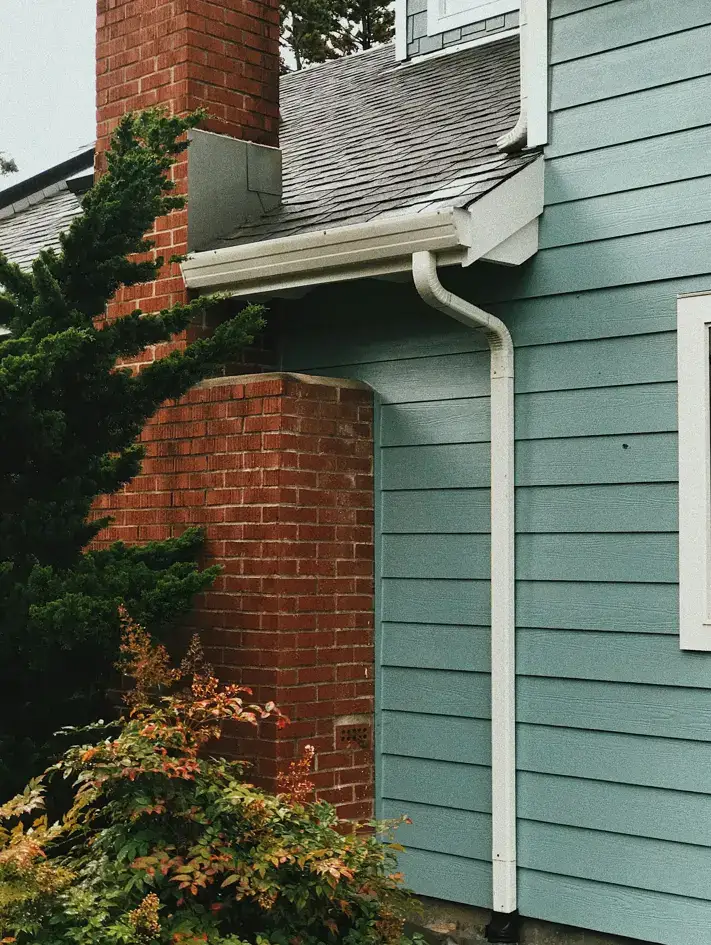
Gutters and downspouts help move rainwater away from your roof and home. Keeping them clear is an important part of regular roof maintenance. Blocked or damaged gutters can prevent proper drainage and may contribute to water problems around the roof and foundation.
Remove Leaves and Debris
Leaves, twigs, and other debris can build up in gutters over time. Remove buildup regularly, especially during seasons when trees shed more leaves. Check the gutters after heavy storms as well.
Make Sure Water Drains Away From Your Home
Check that downspouts are directing water away from your home’s foundation. Water should not collect near the base of the house after rainfall. If a downspout is blocked or poorly positioned, clean it or have it adjusted as needed.
Check for Sagging or Loose Gutters
Look for gutters that are sagging, pulling away from the roofline, or have visible damage. These problems can affect water flow and may need repair or replacement. If the gutter system is difficult or unsafe to access, consider having a professional handle the inspection and repair.
3. Keep Your Roof Clear of Debris
Debris can collect on a roof after windy weather, storms, or nearby tree growth. Regularly checking for buildup is a simple part of roof maintenance. Removing debris can also make it easier to notice damaged shingles and other roof problems.
Remove Leaves and Branches
Leaves, twigs, and small branches can collect on the roof and hold moisture against roofing materials. Remove what you can safely reach from the ground or another secure area. For debris that requires climbing onto the roof, consider hiring a roofing professional.
Watch for Moss and Algae Growth
Moss and algae can appear on roofs, particularly in areas that stay damp or receive limited sunlight. Keep an eye out for visible growth and have it assessed if it becomes widespread. Avoid harsh cleaning methods that could damage shingles or other roofing materials.
Avoid Damaging Roofing Materials
Do not use sharp tools, high-pressure equipment, or aggressive scrubbing methods on roofing materials unless the manufacturer specifically recommends them. If the roof needs thorough cleaning or the buildup is difficult to remove safely, a qualified professional can handle the work.
4. Check Your Attic and Roof Ventilation
Your attic can reveal roof problems that are not visible from outside. Check it regularly for moisture, stains, and signs that the space is not ventilating properly.
Look for Moisture or Water Stains
Check the attic for damp insulation, water stains, or visible moisture. These signs may point to a roof leak or another moisture problem that needs attention.
Watch for Signs of Poor Ventilation
Look for excessive moisture, condensation, or a musty smell in the attic. Poor ventilation can contribute to moisture buildup and may affect the condition of roofing materials over time.
Keep Attic Insulation and Ventilation in Good Condition
Make sure insulation is in good condition and that attic vents are not blocked. Do not cover or block ventilation openings with insulation. If you notice persistent moisture or ventilation problems, have a qualified professional inspect the attic.
5. Trim Trees Near Your Roof
Trees close to your home can affect your roof, especially during windy or stormy weather. Regular tree maintenance can help keep branches from rubbing against the roof or falling onto it.
Keep Overhanging Branches Under Control
Trim branches that extend over or directly touch the roof. This can reduce debris buildup and help prevent branches from damaging roofing materials.
Remove Dead or Weak Branches
Dead or weak branches can break during strong winds and storms. Remove them before they become a hazard. For large trees or branches near power lines, use a qualified tree professional.
Reduce the Risk of Storm Damage
Keeping nearby trees properly maintained can help reduce the risk of roof damage from falling branches during severe weather. After a storm, check the roof and surrounding trees for fallen branches or other visible damage.
6. Inspect Your Roof After Severe Weather
Severe weather can cause roof damage that is not always easy to notice from the ground. After a storm, check your roof and surrounding areas for visible signs of damage. Avoid climbing onto the roof if it is wet, damaged, or unsafe.
Check for Visible Storm Damage
Look for fallen branches, damaged shingles, dents, or other visible changes. Also check nearby areas for signs that strong winds or hail may have affected the roof.
Look for Loose or Missing Roofing Materials
Check for missing, lifted, cracked, or displaced shingles and other roofing materials. Do not attempt to repair significant storm damage yourself. A qualified roofing professional can assess the condition safely.
Check Gutters, Flashing, and Roof Edges
Look for dents, loose sections, or visible damage around gutters, flashing, and roof edges. If you notice leaks, significant damage, or areas that are difficult to inspect safely, arrange a professional roof inspection.
7. Know the Common Signs of Roof Problems
Knowing the early signs of roof problems can help you respond before damage becomes more serious. Check both the roof and interior areas of your home for changes that may need further inspection.
Water Stains on Ceilings or Walls
Brown, yellow, or damp stains on ceilings and walls may indicate water intrusion. The source may not be directly above the stain, so persistent moisture should be checked by a professional.
Daylight Visible Through the Roof
If you can see daylight through areas of the roof from inside the attic, there may be a gap or damaged roofing material. Have the area inspected to determine the cause.
Sagging Areas
A sagging roof or ceiling can indicate a serious problem. Do not enter an unsafe area or attempt to repair it yourself. Contact a qualified roofing professional for an inspection.
Damaged or Missing Shingles
Missing, cracked, curled, or damaged shingles can leave the roof more exposed to weather. Have damaged areas assessed and repaired when necessary.
Moisture or Mold in the Attic
Damp insulation, condensation, or visible mold can indicate excess moisture in the attic. The cause should be identified and addressed rather than simply cleaning the visible mold.
Excess Shingle Granules in Gutters
Some granule loss is normal as shingles age, but a noticeable buildup in gutters can be a sign of shingle wear. If you see excessive granules, consider having the roof inspected.
8. Schedule Professional Roof Inspections
A professional roof inspection can identify problems that may be difficult to spot during a basic visual check and give homeowners a clearer picture of their roof’s condition.
When to Schedule a Roof Inspection
Consider a professional inspection:
- After severe weather or a major storm
- When buying an older home
- When you notice leaks or other signs of damage
- When the roof is showing significant age or wear
What a Professional Inspection Can Check
A professional can check roofing materials, flashing, roof edges, drainage areas, and other visible components for signs of damage or wear. They can also identify areas that may need repair or further evaluation.
9. Know When to Call a Roofing Professional
Some roof problems are not suitable for DIY repairs. Contact a qualified roofing professional when you notice significant damage or when the work requires roof access.
- Significant leaks or water damage: Active leaks, recurring water stains, or visible water damage should be inspected promptly to identify the source and extent of the problem.
- Sagging or structural concerns: A sagging roof or ceiling can indicate a serious issue. Avoid the affected area and arrange a professional inspection.
- Extensive storm damage: Missing shingles, damaged flashing, fallen branches, or other major storm damage should be assessed by a roofing professional before repairs begin.
- Problems that require roof access: If an inspection or repair requires you to climb onto the roof, consider hiring a professional, especially if you do not have the proper training and safety equipment.
- Repairs you are not comfortable handling: If you are unsure how to repair a roofing problem or cannot safely reach the area, leave the work to a qualified professional.
10. Create a Simple Roof Maintenance Routine
A simple maintenance routine makes it easier to keep track of your roof’s condition. You do not need to inspect every part of the roof at once. Focus on regular checks and address visible problems as they appear.
Regular Checks
Look for visible roof damage, debris, clogged gutters, and signs of moisture. Check these areas regularly and after heavy rain or strong winds.
Seasonal Maintenance
At the start of each season, check your gutters, downspouts, nearby trees, and roof for debris or visible damage. Clear leaves and branches as needed, especially after periods of severe weather.
Annual Maintenance
Set aside time each year for a more thorough roof check. Look for signs of aging, wear, leaks, or other problems that may need professional attention. If the roof is difficult or unsafe to inspect, arrange a professional roof inspection.
At-a-Glance: Roof Maintenance Checklist
Use this simple checklist to keep track of routine roof maintenance. The right frequency can vary based on your roof, local weather, nearby trees, and the condition of your home.
| Task | How Often |
| Check for visible roof damage | Regularly |
| Clean gutters and downspouts | As needed or seasonally |
| Check for roof debris | After storms and as needed |
| Trim nearby trees | As needed |
| Check the attic for moisture | Regularly |
| Inspect for storm damage | After severe weather |
| Schedule a professional roof inspection | Periodically or when needed |
If you notice significant damage, leaks, or other concerns, have the roof assessed by a qualified roofing professional.
Frequently Asked Questions About Roof Maintenance Tips
How often should a homeowner inspect their roof?
Check your roof regularly and after severe weather for visible damage, debris, or signs of leaks.
What is the most important roof maintenance task?
Regular roof inspections help you spot damage early and address problems before they become more serious.
How can I protect my roof from weather damage?
Keep gutters clear, trim nearby trees, remove debris, and check for damage after severe weather.
Should I inspect my roof after a storm?
Yes, check for visible damage, loose or missing materials, fallen branches, and damaged gutters.
How do I know when my roof needs professional attention?
Leaks, sagging, significant storm damage, or problems you cannot safely inspect or repair require professional attention.
Conclusion: Keep Your Roof in Good Condition
Regular roof maintenance can help you identify problems early and keep your roof in good condition. Check your roof regularly, keep gutters and roof areas clear of debris, and trim trees near the roof.
Check your attic for moisture and ventilation issues, and inspect your roof after severe weather. When you notice significant damage or a problem that is unsafe to handle yourself, contact a qualified roofing professional.

