



Choosing a roofing contractor is an important decision because the quality of the work can affect your roof for years. The wrong contractor can leave you dealing with poor workmanship, delays, or unexpected costs.
If you are wondering how to choose a roofing contractor, start by checking the contractor’s experience, licensing, insurance, reputation, and written estimates. Before you sign anything, review the contract and make sure you understand the warranties and payment terms.
1. Determine What Roofing Work You Need
Before choosing a roofing contractor, determine what your roof actually needs. The right contractor and type of work will depend on the condition of your roof and the problem you are dealing with.
Identify the Type of Roofing Project
Roofing work can range from a minor repair to a complete replacement. Common projects include:
- Roof repair: Fixing leaks, damaged shingles, flashing, or other localized problems.
- Roof replacement: Removing an old roofing system and installing a new one when the roof is beyond practical repair.
- Roof maintenance: Addressing minor issues and keeping the roofing system in good condition. Roofing work is just one part of keeping your property in top shape; much like scheduling regular HVAC maintenance, staying proactive prevents bigger structural issues.
- Storm or weather-related damage: Repairing damage caused by wind, hail, heavy rain, or other severe weather.
Knowing the type of project you need will help you find a contractor with the right experience.
Understand the Scope of the Work
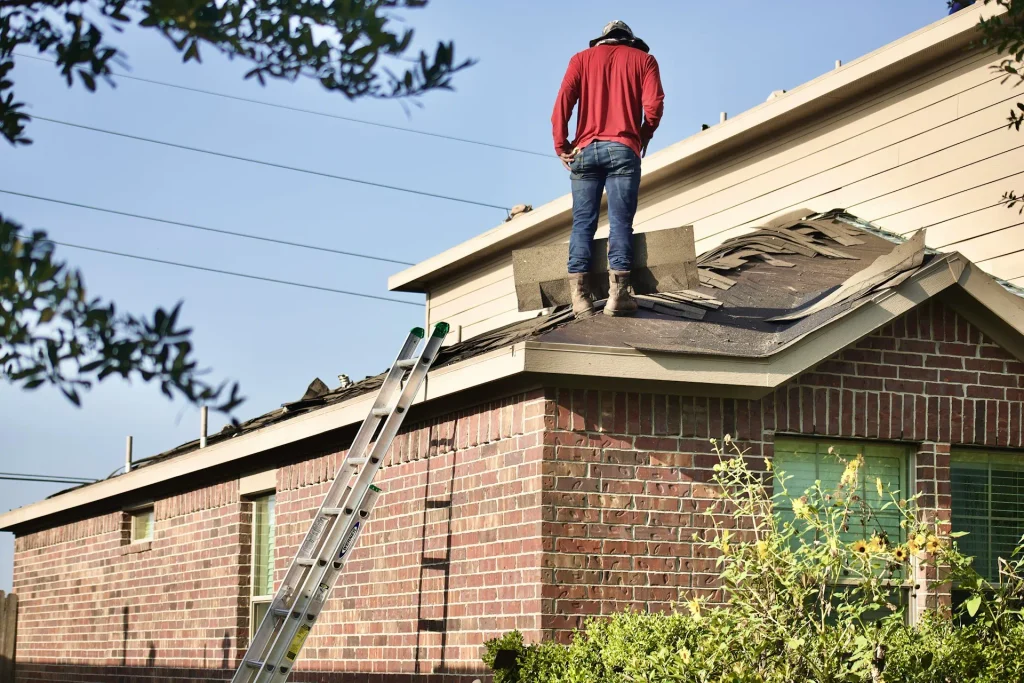
A professional roof inspection can help determine the actual condition of your roof. The contractor should assess areas such as shingles or other roofing materials, flashing, visible damage, drainage, and signs of leaks or moisture.
An old roof does not automatically need to be replaced, and a visible problem may only require a repair. A proper inspection can show you what actually needs to be done before you start comparing contractors and estimates.
2. Research Roofing Contractors in Your Area
Once you know what type of roofing work you need, start looking for contractors who serve your area. When you are tackling major home improvements, whether you are looking into roofing or planning professional garage floor resurfacing, taking the time to research local pros makes all the difference.
Ask friends, family, or neighbors who they have used and whether they were satisfied with the work. Recommendations can give you a useful starting point, especially when they come from someone who has recently had similar work done.
You can also search for local roofing contractors and review their websites, customer feedback, and available credentials. Pay attention to repeated comments about workmanship, communication, reliability, and how the company handled the job.
Where relevant, check professional credentials and industry affiliations. These can provide additional information about a contractor’s experience and commitment to professional standards.
Make a shortlist of several contractors instead of hiring the first one you contact. Having a few options gives you something to compare, including their qualifications, estimates, warranties, and contract terms.
3. Check Licensing and Insurance
Before hiring a roofing contractor, check that the company has the credentials and insurance required for the work. Licensing requirements vary by state and local jurisdiction, so make sure you understand the rules that apply where you live.
Verify the Contractor’s License
Ask the contractor whether a license is required for the type of roofing work you need. If licensing applies, verify the license through the appropriate state or local agency.
A valid license shows that the contractor has met the applicable licensing requirements. Rather than taking the contractor’s word for it, verify the license through the appropriate state or local agency when possible.
A valid license shows that the contractor has met the applicable licensing requirements. Rather than taking the contractor’s word for it, verify the license through the appropriate state or local agency when possible. To learn more about what to look for, you can review this helpful guide on hiring a contractor before moving forward.
Confirm General Liability Insurance
Ask for proof of general liability insurance before work begins. This coverage can help protect homeowners if property damage or certain other claims arise from the contractor’s work.
Make sure the contractor provides current insurance information and that the coverage is appropriate for the project. If you have questions about the policy, consider confirming the details with the insurance provider.
Ask About Workers’ Compensation
Ask whether the contractor carries workers’ compensation coverage for employees working on your property. This coverage can help address work-related injuries involving covered workers.
Requirements vary by state and circumstances, so do not assume the rules are the same everywhere. Confirm that the contractor has the coverage required for your project before work starts.
4. Check Experience and Roofing Expertise
Experience matters when choosing a roofing contractor. Look for a contractor who regularly handles residential roofing projects and understands the type of work your home needs.
Look for Residential Roofing Experience
Ask how long the contractor has worked on residential roofs and what types of projects they usually handle. If they have worked on homes similar to yours, they may already be familiar with the roofing issues and materials involved.
Ask About Your Roofing Material
Make sure the contractor has experience working with your roofing material. Common residential roofing systems include:
- Asphalt shingles
- Metal roofing
- Tile roofing
- Other residential roofing systems
A contractor should be able to explain the material they recommend and how it fits your roof, climate, and project needs. Make sure the contractor has experience working with your roofing material, especially if your home faces harsh weather elements or specific regional challenges similar to those found when evaluating coastal properties before buying or upgrading exterior structures.
Review Previous Roofing Projects
Ask to see examples of the contractor’s previous work when available. Focus on projects that are similar to your own in terms of roofing material, design, repair, or replacement. This gives you a better sense of the contractor’s workmanship and whether they have handled the type of roof you have.
Aap isay copy karke direct apne article mein Section 4 ki jagah paste kar sakte hain. Yeh bilkul natural lagta hai kyunki weather conditions aur harsh elements ki baat roofing aur coastal areas dono mein aati hai!
5. Read Reviews and Check References
Reviews and references give you another way to check a roofing contractor before hiring. Pay particular attention to feedback from homeowners who had similar roofing work done.
Look for Consistent Review Patterns
Do not rely only on the overall star rating. Read several recent reviews and look for repeated comments about:
- Work quality
- Communication
- Timeliness
- Cleanup
- Unexpected costs
- Warranty issues
A few negative reviews do not always mean a contractor is unreliable. Pay more attention to consistent patterns and how the company responds to customer concerns.
Ask for Recent References
Ask the contractor if they can provide references from recent residential roofing projects. If possible, speak with previous customers about their experience.
Ask whether the work was completed as agreed, whether communication was clear, and whether there were unexpected costs or problems during the project. You can also ask if the customer was satisfied with the finished roof and how the contractor handled any concerns.
Consider More Than Online Reviews
Online reviews are useful, but they should not be the only thing you consider. Look at the contractor’s experience, licensing, insurance, written estimate, warranties, and contract terms as well.
Reviews are one piece of the puzzle. The contractor’s qualifications and the terms of the project matter just as much.
6. Get Multiple Written Estimates
Get written estimates from several roofing contractors and compare them side by side. Each estimate should give you enough detail to see what you are paying for and how the contractors differ.
What a Roofing Estimate Should Include
A detailed roofing estimate should clearly explain what the contractor plans to do. Depending on the project, it may include:
- Scope of work
- Roofing materials
- Labor
- Removal of existing roofing
- Cleanup and disposal
- Permits, when applicable
- Estimated timeline
- Payment terms
- Warranty information
- Exclusions or potential additional charges
Ask the contractor to explain anything you do not understand before moving forward. Clear estimates can help reduce confusion about what is included in the project.
Compare Estimates, Not Just Prices
The cheapest estimate is not automatically the best choice. A lower price may reflect differences in materials, labor, project scope, warranties, or other services.
Compare what each contractor is actually offering, not just the final price. One estimate may include better materials, more complete cleanup, or stronger warranty coverage than another.
7. Ask the Right Questions Before Hiring
Before signing a contract, ask the roofing contractor clear questions about the project. Their answers can help you understand their qualifications, work process, costs, and responsibilities.
Use this checklist during your conversations with potential contractors:
- Are you licensed to perform roofing work in my area?
- Can you provide proof of insurance?
- How long have you worked on residential roofing projects?
- Can you provide recent references?
- What roofing materials do you recommend and why?
- What is included in the written estimate?
- Who will supervise the project?
- Who will handle required permits?
- What warranties are included?
- How do you handle unexpected problems or additional work?
- How will my property be protected during the project?
- How will roofing debris be removed?
A reputable contractor should be able to answer these questions clearly. If they avoid basic questions or refuse to provide important information, speak with another contractor before making your choice.
8. Understand Roofing Warranties
Before you hire a roofing contractor, find out exactly what the warranties cover. The material warranty and workmanship warranty are not the same, and the terms can vary from one contractor or product to another.
Manufacturer’s Warranty
A manufacturer’s warranty generally covers defects in the roofing materials. The coverage and requirements can vary by product, manufacturer, and roofing system.
Ask the contractor which products are covered and request the warranty information before making a decision.
Workmanship Warranty
A workmanship warranty relates to the contractor’s installation work. It may cover certain problems caused by errors in workmanship, but the coverage period and conditions depend on the contractor’s terms.
Ask the contractor to explain the workmanship warranty and make sure the details are provided in writing.
Check the Warranty Terms
Before signing a roofing contract, review the warranty details carefully. Check:
- Coverage period
- What is covered
- Exclusions
- Claim process
- Transferability, if applicable
Find out who handles warranty claims and what you need to do if a covered problem occurs. Keep the warranty documents with your contract and other roofing records.
9. Review the Roofing Contract Before Signing
Read the roofing contract carefully before any work begins. It should spell out the work to be completed, the amount you will pay, and how changes to the project will be handled.
Make Sure the Scope of Work Is Clear
The contract should describe the roofing work in enough detail to avoid confusion. It should identify the materials, areas of the roof being worked on, removal of existing roofing, cleanup, and other services included in the project.
Make sure the written contract matches the estimate you agreed to.
Check Payment Terms
Review the total cost, payment schedule, and accepted payment methods before signing. You should know when each payment is due and exactly what it covers.
Understand Change Orders and Additional Costs
Roofing projects can sometimes uncover problems that were not visible during the initial inspection. Ask how the contractor will handle additional work or unexpected costs.
If additional work becomes necessary, ask the contractor to explain the reason and cost before the work begins. Have significant changes documented in writing.
Confirm the Project Timeline
Make sure the contract provides an expected start date and a reasonable project timeline when possible. Ask how delays caused by weather, material availability, or other issues will be handled.
Clear expectations can help prevent misunderstandings during the project.
Make Sure Warranties Are in Writing
The contract should clearly state the warranties that apply to the roofing work and materials. Review the coverage, duration, exclusions, and claim process.
Do not rely on verbal promises. Keep a copy of the signed contract, warranty documents, estimates, and other project records for your files.
Do not sign until you are comfortable with the scope of work, payment terms, warranties, and the contractor’s responsibilities.
10. Watch for Roofing Contractor Red Flags
Before hiring a roofing contractor, pay attention to how they communicate and handle basic questions. Unclear answers, missing documents, or pressure to sign can be warning signs worth taking seriously.
- Pressure to sign immediately: Take time to compare contractors, review estimates, and understand the contract before making a decision.
- No written estimate: Ask for a clear written estimate that explains the roofing work, materials, costs, and other important details.
- Refusal to provide licensing or insurance information: Ask for applicable licensing information and proof of insurance before work begins.
- Vague contract terms: The contract should clearly explain the scope of work, materials, payment terms, timeline, and warranties.
- Unclear payment requirements: Make sure you understand the payment schedule, amounts due, and what each payment covers.
- Extremely low estimate without a clear explanation: Ask why the estimate is significantly lower than the others. The difference may come from the materials, labor, project scope, or services included.
- Poor or inconsistent reviews: Look for repeated concerns about workmanship, communication, unexpected costs, or unresolved problems.
- Unwillingness to provide references: Ask for recent references from residential roofing projects when appropriate. References can help you learn about the contractor’s previous work.
- Unclear warranty information: Make sure you understand what the manufacturer’s warranty and workmanship warranty cover, how long they last, and how claims are handled.
- Promises that sound too good to be true: Be cautious of unrealistic promises about price, results, timelines, or warranty coverage. A professional contractor should explain the project and its terms clearly.
These checks can make it easier to compare contractors and avoid hiring someone who does not meet your needs.
How to Choose the Right Roofing Contractor
At a Glance: Roofing Contractor Checklist
A good roofing contractor should ideally:
✓ Have the required license or credentials for your area
✓ Carry appropriate liability and workers’ compensation insurance
✓ Have relevant residential roofing experience
✓ Have a solid reputation and consistent customer feedback
✓ Provide recent references when requested
✓ Offer a detailed written estimate
✓ Clearly explain roofing materials and warranties
✓ Use a clear written contract
✓ Communicate clearly about the project, costs, and timeline
✓ Give you time to decide without pressure to hire
Use this checklist when comparing contractors. The goal is to find someone who is qualified, transparent about the work, and clear about costs and responsibilities.
Frequently Asked Questions About Choosing a Roofing Contractor
How do I find a reliable roofing contractor?
Start with local contractors and compare their licensing, insurance, experience, reviews, references, written estimates, and contract terms.
How many roofing contractors should I get estimates from?
Getting estimates from three or more roofing contractors gives you a useful basis for comparing prices, materials, scope of work, and warranties.
What should a roofing estimate include?
A roofing estimate should outline the scope of work, materials, labor, costs, cleanup, timeline, payment terms, warranties, and potential additional charges.
What should be included in a roofing contract?
A roofing contract should clearly state the scope of work, materials, costs, payment schedule, timeline, warranties, and how changes or additional work will be handled.
What is the difference between a workmanship warranty and a manufacturer’s warranty?
A manufacturer’s warranty generally covers roofing materials, while a workmanship warranty covers certain installation-related issues based on the contractor’s terms.
Conclusion: How to Choose a Roofing Contractor
Choosing the right roofing contractor is about more than finding the lowest price. Compare credentials, insurance, residential roofing experience, reputation, references, and written estimates before you hire.
Then review the materials, warranties, payment terms, and contract carefully. Knowing exactly what is included can prevent misunderstandings once the work begins.

