


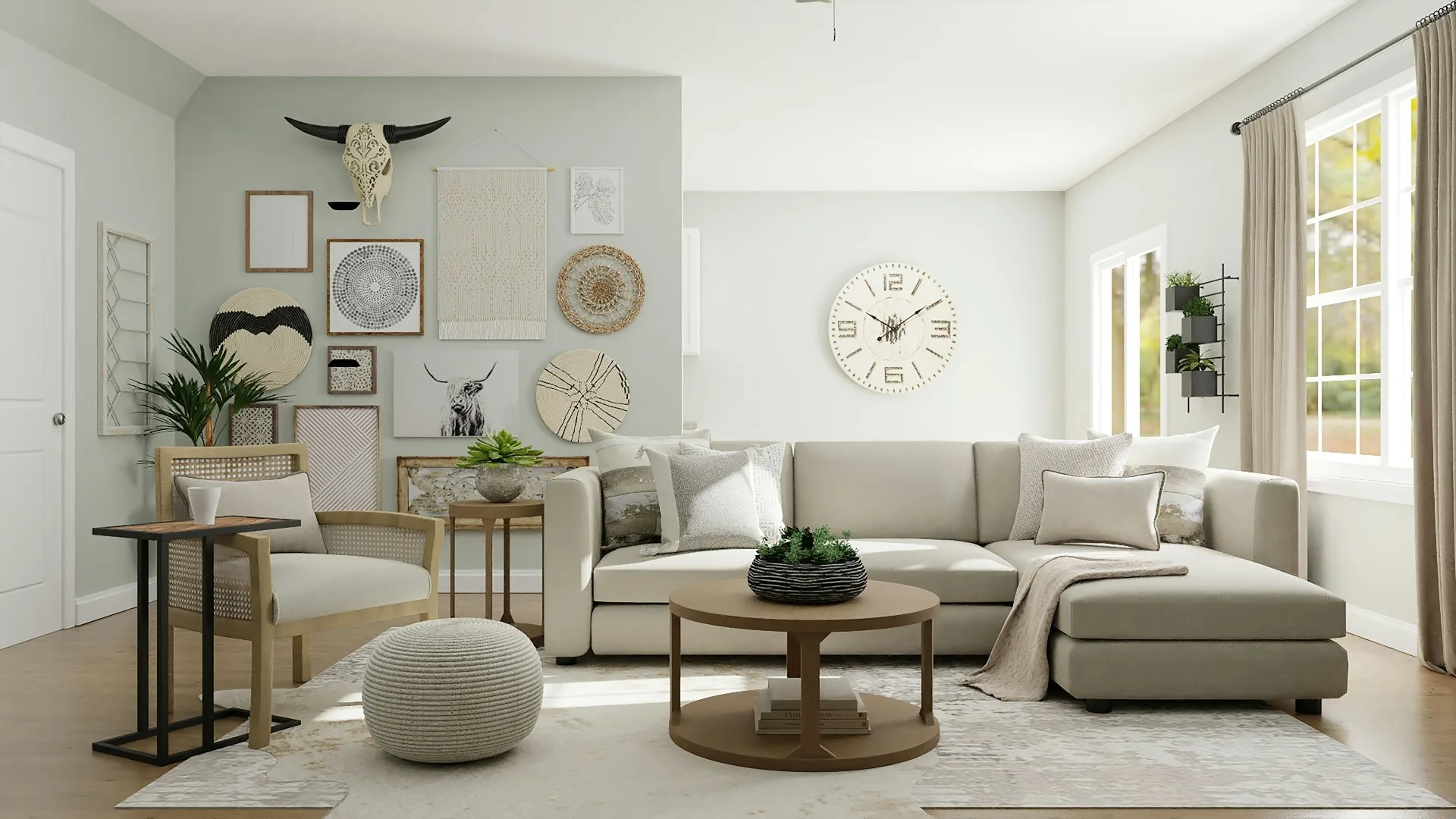
Learning how to choose furniture for your home is about more than finding pieces that look good. The right furniture should fit your room, support how you use the space, and provide comfort for everyday life.
Before you buy, consider your room size, layout, furniture dimensions, style, materials, quality, and budget. These factors can help you avoid overcrowding and choose pieces that work well together.
In this guide, you’ll find practical tips for choosing comfortable, functional, and durable furniture that fits your space and lifestyle.
1. Start With Your Room and How You Use It
Before choosing furniture, think about the purpose of the room and how you use it every day. A living room used for relaxing and watching TV may need a comfortable sofa and useful side tables. A dining room may need enough seating for everyday meals and occasional guests.
Your household needs also matter. Consider how many people regularly use the space and whether you often have family or guests over. This can help you choose furniture with the right amount of seating and storage.
Before bringing new items in, it is often helpful to clear out unnecessary items and create a clean slate; taking the time to focus on decluttering your home first can give you a much better sense of your actual available space. Think about your lifestyle as well. If you need extra storage, look for functional furniture such as storage ottomans, cabinets, or benches.
The goal is to choose furniture that works with your daily life. When furniture suits the room and your needs, it is easier to create a home that feels comfortable and functional.
2. Measure Your Space Before You Buy

Before buying furniture, measure your space carefully. Good furniture measurements can help you avoid pieces that are too large for the room or difficult to move into your home.
Check Your Room Dimensions
Measure the length and width of the room. If ceiling height matters for a tall cabinet, bookcase, or other large piece, measure that as well. Note the location of windows, doors, outlets, and existing furniture or fixtures that may affect your room layout.
Keep these room dimensions with you when shopping. Compare them with the furniture measurements before making a purchase.
Measure Doorways and Hallways
Furniture needs to fit through your home before it can fit in the room. Measure the entry door, hallways, stairways, and any tight corners along the delivery path.
Pay close attention to doorway width and available clearance. A sofa or cabinet may fit your room but still be difficult to bring inside if the entryway is too narrow.
Leave Enough Walking Space
Avoid filling every open area with furniture. Leave enough walking space around sofas, tables, beds, and other large pieces so the room remains comfortable and easy to use.
Also check that doors, drawers, and cabinets can open fully without hitting other furniture. Planning this available space in advance can help you create a more practical and comfortable room.
3. Choose Furniture That Fits the Room
Once you know your room dimensions, choose furniture that fits the space without making it feel crowded.
- Compare furniture dimensions: Check the width, depth, and height of each piece before buying.
- Consider scale and proportion: Choose furniture that looks balanced with the size of the room and other pieces.
- Avoid oversized furniture: Large sofas, beds, or cabinets can make a small room feel cramped.
- Balance larger rooms: Use appropriately sized pieces so large spaces do not feel empty or unfinished.
- Match existing furniture: Make sure new pieces work well with the size and proportions of the furniture you already have.
- Keep the room functional: Leave enough open space for comfortable movement and an easy-to-use room layout.
The goal is to create a balanced space where your furniture looks right and works well for everyday use.
4. Prioritize Comfort for Everyday Use
Furniture should look good, but it should also feel comfortable. Think about how often you will use each piece before making a purchase.
- Check the seat height and depth: Make sure sofas and chairs feel natural when you sit down and stand up.
- Look at cushion support: Cushions should provide comfortable support without feeling too firm or too soft for your preference.
- Consider dining furniture: Dining chairs should provide enough support for comfortable meals and longer gatherings.
- Think about bedroom furniture: A bed and other bedroom pieces should support how you relax and use the space every day.
- Consider frequency of use: Spend more time testing furniture you will use daily, such as a sofa, desk chair, or dining chair.
- Test before buying when possible: Sit on sofas and chairs to check their comfort rather than relying only on appearance or photos.
Good furniture should combine practical support with a design that suits your home. Choose pieces that feel right for everyday use, not just pieces that look good.
5. Match Your Furniture to Your Home’s Style
Choose furniture that works with your existing decor and overall home style. Think about the look you want before choosing individual pieces.
- Consider your interior style: Decide whether your home leans modern, traditional, minimalist, transitional, or another style. For more inspiration on bringing your space together, you can also explore these helpful home decor tips to tie your overall look seamlessly.
- Follow a consistent color palette: Choose furniture colors that work well with your walls, flooring, curtains, and other decor.
- Pay attention to finishes: Wood tones, metal finishes, and upholstery can affect how well furniture works together.
- Mix styles carefully: Different furniture styles can work together when they share a color, finish, shape, or other design element.
- Keep each room flexible: Your rooms do not need to look identical. Aim for a home that feels connected without making every space look the same.
The goal is to choose a furniture style that complements your home rather than replacing everything you already have. Consider your existing decor and choose new pieces that add to the overall look.
6. Choose Materials That Fit Your Lifestyle
The right furniture materials should match how you use the furniture and how much maintenance you are comfortable with. Before buying, consider these factors:
Consider Durability and Maintenance
- Wood: A versatile choice that can work with many interior styles. Check the care requirements before buying.
- Metal: Often works well in modern spaces and can be practical for tables, frames, and other furniture.
- Upholstery: Offers comfort and many style options, but check how easily the fabric can be cleaned.
- Leather: A durable option for many types of seating, but it still requires proper care.
- Glass: Works well when you want a lighter visual look, but consider cleaning and everyday use.
Think About Your Household Needs
- Children: Look for furniture with practical surfaces and materials that are easier to clean.
- Pets: Consider materials that can handle regular use and are easier to maintain.
- High-use areas: Choose furniture materials that suit frequent daily use.
- Easy cleaning: Check the manufacturer’s care instructions before buying.
- Room conditions: Consider where the furniture will be placed and how it will be used.
Choose the material based on your lifestyle, maintenance needs, and everyday use, rather than appearance alone. This makes it easier to find furniture that works well in your home.
7. Check Quality and Durability
Before buying, take a few minutes to check the furniture quality. A good-looking piece may not always have the construction quality needed for regular use.
| What to Check | What to Look For |
| Frame | Look for a sturdy frame that feels stable and suits the furniture’s intended use. |
| Joints | Make sure joints are secure and do not feel loose or poorly finished. |
| Stability | Sit on chairs or sofas and gently check for movement or wobbling. |
| Hardware | Check hinges, handles, drawer slides, and other hardware to make sure they work properly. |
| Upholstery | Inspect the fabric, stitching, seams, and overall finish for visible problems. |
| Finish | Look for uneven surfaces, peeling, scratches, or other obvious defects. |
| Everyday Use | Make sure the furniture is suitable for the level of daily use you expect. |
Taking these simple steps can help you assess the build quality before you buy and choose furniture that is better suited to regular use.
8. Set a Budget Before Furniture Shopping
Set a furniture budget before you start shopping. This helps you compare furniture prices and avoid spending more than you planned.
- Decide your total budget: Set an amount you are comfortable spending on the furniture you need.
- Prioritize essential pieces: Buy essential furniture first, such as a sofa, bed, dining table, or chairs. Decorative pieces can come later.
- Spend based on use: Consider spending more on furniture you will use every day. A frequently used sofa or dining chair may deserve more of your budget than occasional-use pieces.
- Compare price and quality: Do not choose furniture based on price alone. Compare similar pieces based on their materials, construction, comfort, and expected use.
- Check extra costs: Include delivery, assembly, and other applicable charges in your furniture budget.
- Buy gradually if needed: You do not have to furnish your entire home at once. Purchasing furniture gradually can help you stay within budget and choose each piece carefully.
A clear furniture budget makes shopping easier and helps you balance quality, price, and value. Focus on the essential furniture first, then add other pieces as your budget allows.
9. Check the Warranty and Return Policy
Before buying furniture, review the furniture warranty and return policy. These details can help you understand what happens if the furniture arrives damaged or develops a covered problem.
- Review the warranty terms: Check the warranty period, what is covered, and any exclusions or conditions.
- Check the return or exchange period: Make sure you know how long you have to return or exchange the furniture if needed.
- Understand the delivery damage policy: Check what you should do if the furniture arrives damaged. Some retailers may require you to report damage within a specific period.
- Check assembly conditions: Find out whether self-assembly or improper assembly can affect the warranty or return policy.
- Keep your purchase receipt: Save the receipt, order confirmation, warranty details, and other purchase records in case you need them later.
Reading these terms before buying can help you understand the warranty coverage and return options. It also gives you a clearer idea of what to expect if there is a problem with your furniture.
A Simple Furniture-Buying Checklist
Use this quick checklist before you buy furniture for your home:
☐ Measure the room
☐ Check doorways and delivery access
☐ Decide how the room will be used
☐ Check furniture dimensions
☐ Consider comfort
☐ Match your existing style
☐ Choose suitable materials
☐ Check construction quality
☐ Set your furniture budget
☐ Review the warranty and return terms
Taking a few minutes to check these points can help you choose furniture that fits your space, lifestyle, and budget.
Common Furniture Buying Mistakes to Avoid
Avoiding common mistakes can make furniture shopping easier and help you choose pieces that suit your space, needs, and budget.
| Common Mistake | How to Avoid It |
| Buying Before Measuring | Measure the room, furniture space, doorways, hallways, and delivery path before buying. |
| Choosing Style Over Comfort | Consider the appearance, but also check comfort and support for everyday use. |
| Buying Furniture That Is Too Large | Compare furniture dimensions with your available space and leave enough room for walking. |
| Focusing Only on the Lowest Price | Compare the price with the construction, materials, quality, and expected use. |
| Ignoring Maintenance Requirements | Check the cleaning and care needs of the furniture before making a purchase. |
| Forgetting the Return or Warranty Terms | Read the return policy and warranty terms before completing your purchase. |
Avoiding these mistakes can help you make more informed furniture choices and get better value from your purchase.
FAQs About How to Choose Furniture For Your Home
How do I choose the right furniture for my home?
Consider your room size, how you use the space, comfort, style, materials, quality, and budget before buying.
What should I consider before buying furniture?
Consider the furniture size, function, comfort, quality, and price to make a practical choice.
How do I know what size furniture will fit my room?
Measure your room and compare the furniture dimensions while leaving enough space for walking and movement.
What furniture materials are best for everyday use?
Choose materials based on your household needs, furniture use, durability, and preferred maintenance level.
Should all furniture in a home match?
No. Furniture can coordinate through colors, finishes, styles, or proportions without being identical.
Conclusion: How to Choose Furniture for Your Home
Choosing the right furniture starts with understanding your space and how you use it. Measure the room, check furniture size, prioritize comfort, match your home’s style, and choose materials that suit your lifestyle and maintenance needs.
Before you buy, check the furniture quality, set a realistic budget, and review the warranty and return terms. Following these steps can help you choose furniture that fits your home, supports everyday use, and offers good value over time.

