


Indoor plants can make a home feel more inviting and bring a touch of nature indoors. But keeping them healthy is not always as easy as it looks.
Simple mistakes such as overwatering, poor lighting, or placing a plant in the wrong spot can affect its growth. The good news is that most of these problems are easy to avoid with the right care.
In this guide on Well Hint, you’ll learn five practical indoor plant care tips that can help you avoid common mistakes and keep your houseplants healthy and looking their best.
Avoid Overwatering and Underwatering Your Plants
Watering is one of the most important parts of indoor plant care. It is also one of the easiest areas to get wrong. Giving a plant too much or too little water can affect its roots, leaves, and overall growth.
Signs of Overwatering
Overwatering indoor plants can keep the soil wet for too long and may lead to root problems. Yellowing leaves, soft or drooping growth, and soil that stays wet for many days can be warning signs.
If you notice these signs, check the soil before watering again. Let the soil dry to the level recommended for your specific plant before adding more water.
Signs of Underwatering
Underwatered plants may have dry soil, drooping leaves, or leaves that become brown and crispy around the edges. The plant may also look wilted even though the soil feels very dry.
If the soil has become completely dry, water the plant thoroughly until some water drains from the bottom of the pot. Avoid giving only a small amount of water to a severely dry plant.
How to Check Soil Moisture
Do not follow a fixed watering schedule without checking the plant first. Indoor plants can need water at different times depending on the plant type, pot size, soil, temperature, light, and humidity.
To check the soil, insert your finger about an inch into the top layer. If it feels dry, the plant may need water. If it still feels moist, wait and check again later. Some plants need the soil to dry more between waterings, so always consider the needs of the individual plant.
How Often Should You Water Indoor Plants?
There is no single answer to how often to water indoor plants. Some houseplants need water more often, while others prefer drier soil between waterings.
Check the soil and the plant’s condition instead of watering simply because it is a certain day of the week. During warmer or brighter periods, plants may use water faster. They may need less water during cooler or darker periods.
Why Drainage Holes Matter
Drainage holes allow excess water to leave the pot. This helps prevent water from collecting around the roots.
When choosing a container, look for one with drainage holes whenever possible. If excess water collects in the bottom of a decorative outer pot, empty it after watering rather than allowing the plant to sit in standing water.
Good indoor plant watering is about finding the right balance. Check the soil, understand your plant’s needs, and give it enough water without keeping the roots constantly wet.
Give Your Plants the Right Amount of Light
Light is essential for healthy indoor plant growth. Every plant has different light needs. Some plants grow best in bright light, while others can handle lower light levels.
Too much or too little light can cause problems. Learning how your plant responds to light will help you choose a better spot in your home.
Direct vs. Indirect Light
Direct light reaches the leaves without much filtering. A sunny south-facing window can provide strong direct light.
Indirect light is bright but softer. The sunlight may pass through a curtain or reach the plant after reflecting off a nearby surface. Many popular houseplants prefer bright, indirect light.
Always check the light requirements for your specific plant before choosing a location.
Signs of Too Much Light
Too much light can cause leaves to fade, develop brown or scorched patches, or become dry around the edges. A plant may also wilt when exposed to intense heat and sunlight.
If you notice these signs, move the plant farther from the window or use a sheer curtain to reduce the intensity of the light.
Signs of Too Little Light
Plants that do not receive enough light may grow slowly or produce pale leaves. New growth can also become thin and stretched as the plant reaches toward a light source.
Some low light indoor plants can tolerate less sunlight than others. However, low light does not always mean no light. Most indoor plants still need some natural or artificial light to grow well.
How to Choose the Right Location
Start by checking how much natural light enters different areas of your home. Notice whether the spot receives direct sunlight, bright indirect light, or limited light during the day.
Place the plant according to its light needs. Keep plants that need bright light closer to a suitable window. Plants that prefer indirect light may do better a little farther from the glass or behind a light curtain. For more detailed guidance on choosing the right light, temperature, watering, and humidity conditions, see this RHS guide to growing houseplants.
Avoid placing a plant in a spot simply because it looks good there. Its light requirements should come first.
When a Grow Light May Help
A grow light can help when your home does not provide enough natural light. This can be useful during darker months or in rooms with few windows.
Choose a grow light designed for indoor plants and follow the manufacturer’s instructions for placement and use. The goal is to provide enough light without exposing the plant to excessive heat.
Understanding indoor plant light needs can make a big difference in plant health. Give each plant the type and amount of light it needs, then watch how it responds over time.
Meet Your Plants’ Temperature and Humidity Needs
Temperature and humidity can affect how well indoor plants grow. A plant can still struggle even when it gets enough light and water if the temperature, humidity, or airflow is not suitable for its needs.
Different plants prefer different conditions. Check the care requirements for your specific plant and try to keep its surroundings as stable as possible.
Avoid Sudden Temperature Changes
Most indoor plants do best when temperatures stay fairly consistent. Sudden changes can stress the plant and affect its growth.
Keep plants away from very hot or cold areas. Avoid placing them next to open windows during cold weather or near doors where they may experience frequent drafts.
Keep Plants Away From Heating Vents and AC
Heating vents and air conditioners can create strong changes in temperature and airflow. Constant hot or cold air may dry out leaves and stress some plants.
When choosing the best place for indoor plants, keep them a reasonable distance from heating vents, air-conditioning units, and other direct sources of airflow.
Understand Indoor Plant Humidity
Humidity refers to the amount of moisture in the air. Some tropical houseplants prefer higher humidity, while many common indoor plants can adapt to normal household conditions.
Dry indoor air can cause brown leaf edges or tips in plants that need more moisture. If this happens often, consider moving the plant to a more suitable location or using a humidifier when appropriate.
Avoid assuming that every plant needs high humidity. Check the needs of the plant before making changes.
When Bathrooms or Kitchens May Work Well
Bathrooms and kitchens can sometimes provide more humidity than other rooms. This can make them suitable for plants that prefer a more humid environment.
However, these spaces still need enough light and suitable temperatures. A humid bathroom with little natural light may not be a good location for a plant that needs bright light.
The best place for indoor plants depends on more than appearance. Consider light, temperature, humidity, and airflow before choosing where to keep each plant.
A stable environment can help reduce plant stress and support healthy growth. Once you understand your plant’s basic indoor plant temperature and indoor plant humidity needs, it becomes easier to choose a suitable spot.
Avoid Using Too Much Fertilizer
Plants need nutrients to support healthy growth. They can get some nutrients from their potting mix, but those nutrients may become limited over time.
Fertilizer can help replace these nutrients when a plant needs them. However, using too much can damage the roots and cause other problems.
When Fertilizer Is Useful
Not every indoor plant needs frequent feeding. A healthy plant growing in fresh, nutrient-rich potting mix may not need fertilizer right away.
Fertilizing indoor plants is usually more useful during periods of active growth. The right timing depends on the plant, growing conditions, and type of potting mix.
How to Fertilize Indoor Plants
Always read and follow the instructions on the fertilizer label. The recommended amount can vary between products.
If you are unsure how to fertilize indoor plants, start by following the product directions rather than adding extra fertilizer. More is not better when it comes to plant nutrients.
Avoid applying fertilizer to very dry soil unless the product instructions specifically say it is safe. Watering the plant first may help reduce the risk of root damage.
Liquid vs. Slow-Release Fertilizer
Liquid fertilizer is mixed with water and is usually applied during regular watering. It allows you to control the amount used each time.
Slow-release fertilizer provides nutrients gradually over a longer period. It can be convenient for plants that benefit from less frequent feeding.
Both types can work well when used correctly. Choose an indoor plant fertilizer based on your plant’s needs and follow the label instructions.
Signs of Overfertilization
Too much fertilizer can cause a buildup of salts in the soil. Brown or burned leaf edges, wilting, and damaged roots can be signs of overfertilization.
If you suspect that you have used too much fertilizer, stop feeding the plant and check its soil and overall condition. Severe problems may require replacing the potting mix.
Why More Fertilizer Is Not Always Better
Adding extra fertilizer does not make a plant grow faster. Too many nutrients can harm the roots and interfere with healthy growth.
The best approach is to fertilize only when your plant needs additional nutrients. Use the recommended amount and adjust your care based on the plant’s response.
Proper fertilizing is part of good indoor plant care. When you use the right product in the right amount, you can provide nutrients without putting unnecessary stress on your plants.
Prune and Maintain Your Plants Regularly
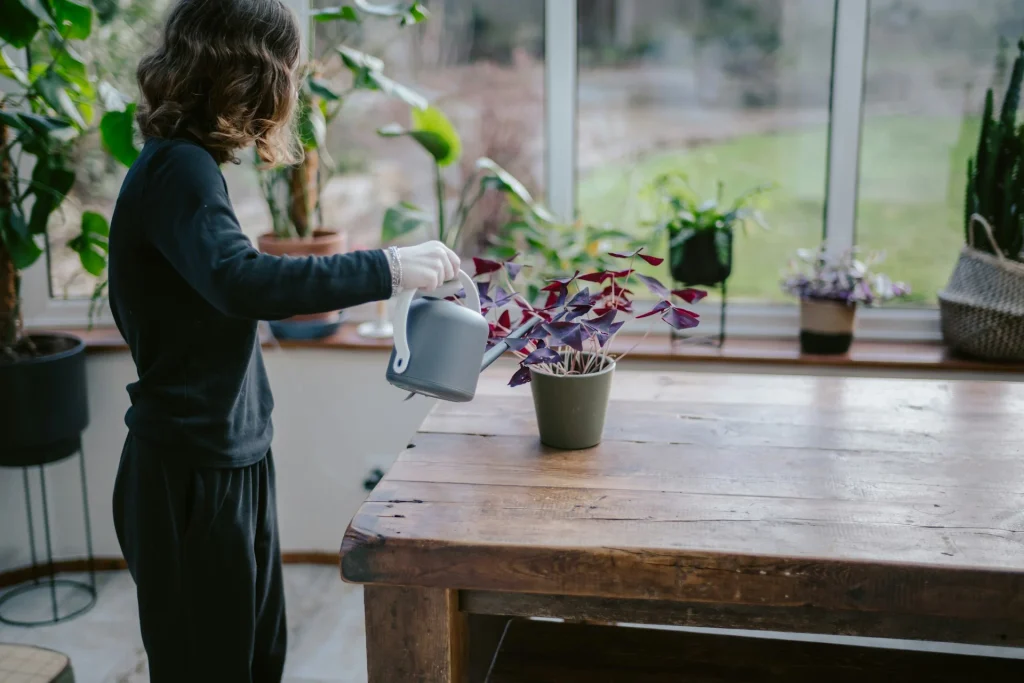
Regular maintenance helps indoor plants stay healthy and look their best. Simple tasks such as removing damaged leaves, cleaning foliage, and checking for pests can prevent small problems from becoming bigger ones.
Remove Dead or Damaged Leaves
Remove leaves that are completely dead, damaged, or badly affected. Use clean, sharp scissors or pruning shears to make a clean cut.
Removing unhealthy foliage can improve the plant’s appearance and make it easier to notice new growth or other problems.
Trim Unhealthy Growth
Pruning indoor plants can help remove weak, damaged, or unwanted growth. It can also help some plants maintain a fuller and more manageable shape.
Do not remove healthy growth without a reason. Before making larger cuts, check the pruning needs of your specific plant.
Clean Dusty Leaves
Dust can collect on broad indoor plant leaves over time. Gently wipe the leaves with a clean, damp cloth when needed.
Clean leaves also make it easier to spot signs of pests, discoloration, or other changes.
Check Regularly for Pests
Inspect your plants regularly for common pests such as spider mites, mealybugs, aphids, or scale. Look closely at the leaves, stems, and undersides of leaves.
If you notice pests, separate the affected plant from other plants when practical and identify the pest before choosing a treatment.
When Should You Prune Indoor Plants?
The best time for pruning depends on the plant species and its growth pattern. Many plants can be lightly maintained throughout the year, while heavier pruning may be better during active growth.
Avoid making major cuts unless you know the plant can handle them. Always follow the care requirements for your specific plant.
Why Regular Maintenance Matters
Good indoor plant maintenance is not complicated. A few minutes of regular care can help you notice dry soil, damaged leaves, pests, or unusual growth before the problem becomes more serious.
As part of your regular houseplant care routine, check your plants, remove dead foliage, clean dusty leaves, and look for signs of pests. These simple habits can help keep your indoor plants healthy and attractive.
Simple Indoor Plant Care Routine
A simple routine can make houseplant care easier. You do not need to check everything every day. A few regular checks can help you notice problems early and keep your plants in good condition.
- Weekly: Check the soil, leaves, and overall condition of each plant. Water only when the plant needs it.
- Every few weeks: Rotate plants if needed so all sides receive suitable light and the plant grows more evenly.
- Monthly: Check the leaves, stems, and undersides of leaves for signs of pests. Wipe dusty leaves with a clean, damp cloth when needed.
- As needed: Remove dead or damaged leaves and trim unhealthy growth with clean pruning tools.
- When needed: Fertilize according to the plant’s needs and the fertilizer product instructions. Avoid adding extra fertilizer because more nutrients do not always mean better growth.
This simple indoor plant care routine can help you stay consistent without making plant care complicated. Pay attention to how each plant responds and adjust your care when its needs change.
Frequently Asked Questions
How often should I water indoor plants?
Water indoor plants when the soil feels dry to the level your specific plant prefers. Avoid following a fixed schedule.
What type of light is best for indoor plants?
Many indoor plants prefer bright, indirect light, but the best light depends on the plant. Check its specific light requirements.
Why are my indoor plant leaves turning yellow, and how can I fix them?
Yellow leaves can result from overwatering, poor light, or natural aging. Check the soil, light, and overall plant condition before changing your care routine.
Do indoor plants need fertilizer?
Indoor plants may need fertilizer when nutrients in the potting mix become limited. Follow the product instructions and avoid overfertilizing.
Should I remove dead leaves from indoor plants?
Yes, remove completely dead or damaged leaves with clean scissors or pruning shears. This keeps the plant tidy and makes new problems easier to spot.
Conclusion: Indoor Plant Care Tips
Keeping indoor plants healthy does not have to be difficult. The key is to understand what each plant needs and stay consistent with basic care. Check the soil before watering, provide the right amount of light, and keep plants away from sudden temperature changes and harsh airflow. Use fertilizer only when needed, and maintain plants by removing damaged leaves and checking for pests. With these simple indoor plant care tips, beginners can avoid common mistakes and create a healthier environment for their houseplants.

