


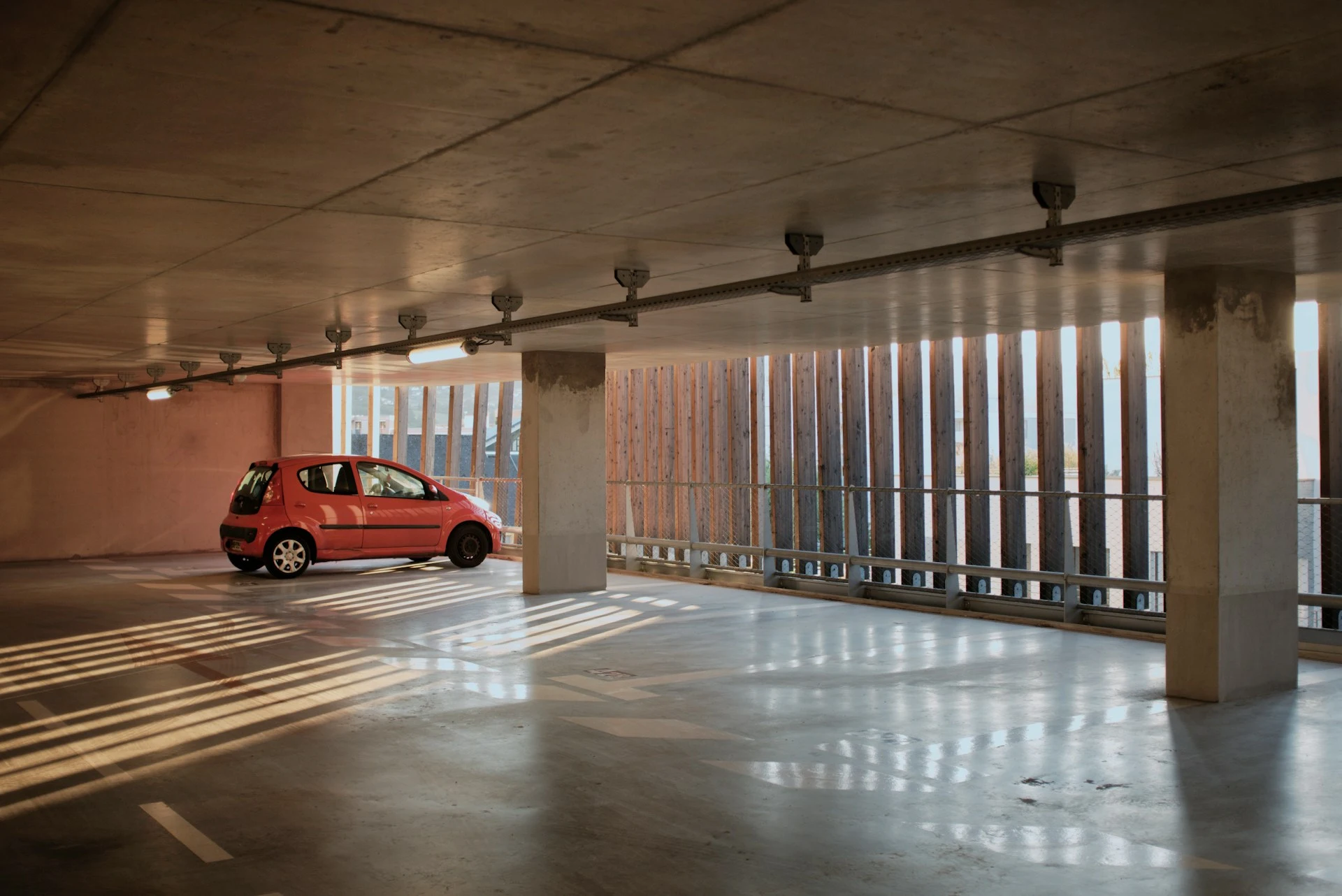
A worn or cracked concrete garage floor can make the entire space look neglected. Stains, surface damage, and areas that are difficult to clean can also make everyday garage use less convenient. Over time, regular vehicle traffic, moisture, oil, and other substances can take a toll on an unprotected concrete surface.
Professional garage floor resurfacing can give an aging garage floor a cleaner, more finished surface while helping protect it from everyday wear. The process typically involves preparing the existing concrete, addressing suitable surface damage, and applying a compatible resurfacing or coating system.
In this guide, we’ll look at the main benefits of garage floor resurfacing, explain how the professional process generally works, discuss the factors that affect cost, and cover what to consider before hiring a contractor. If you have a worn or cracked concrete garage floor, understanding these factors can help you decide whether resurfacing is a suitable option for your home.
What Is Garage Floor Resurfacing?
Garage floor resurfacing is a process that improves the condition and appearance of an existing concrete garage floor by preparing the surface and applying a suitable resurfacing or coating system. It can help refresh a worn floor and provide a more finished surface for everyday garage use.
The process usually starts with an inspection of the existing concrete. A professional looks for cracks, stains, pitting, moisture issues, and other surface problems to determine whether the floor is suitable for the selected resurfacing or coating system. The concrete is then cleaned and prepared to remove dirt, oil, grease, and other contaminants that could affect adhesion.
Suitable cracks and surface damage may need to be repaired before the new system is applied. Once the surface is properly prepared, the selected resurfacing or coating system is applied according to the product requirements. The finished surface then needs adequate curing time before normal foot or vehicle traffic is allowed.
Garage floor resurfacing is different from simply painting a garage floor. Floor paint mainly adds color and a basic protective layer, while a professional resurfacing or coating system typically involves more extensive surface preparation and is designed for the specific demands of a garage environment. The durability and performance depend on the concrete condition, preparation, materials, application, and curing process.
Creates a More Durable Garage Floor
A garage floor has to handle more than occasional foot traffic. Vehicles, tools, storage equipment, and daily activity can gradually wear down an unprotected concrete surface. Oil, dirt, moisture, and repeated use may also contribute to stains and surface deterioration.
Professional garage floor resurfacing can add a protective layer over suitable existing concrete. A properly selected system can help the floor handle regular vehicle and foot traffic while reducing the effects of everyday wear and tear.
Proper surface preparation is an important part of the process. The concrete needs to be clean, dry, and suitably prepared before the resurfacing or coating system is applied. Cracks and other surface problems may also need to be addressed first.
The right coating system also matters. Different products are designed for different conditions and levels of use. A professional can help select a suitable system based on the condition of the concrete and how the garage is used. While resurfacing can improve durability, it does not make a garage floor immune to damage or future wear.
Improves the Look of Your Garage
A worn garage floor can make the entire space look older and less inviting. Oil stains, discoloration, small cracks, and other surface imperfections can become more noticeable over time, especially when the concrete receives regular use.
Resurfacing a garage floor can create a cleaner and more finished appearance. Depending on the system selected, homeowners may have options for different colors, textures, patterns, or decorative finishes. This makes it easier to create a garage floor that suits the style of the home.
A professional finish can also give the garage a more consistent appearance than an untreated concrete surface. However, the final result depends on the condition of the existing floor, the preparation work, and the resurfacing system used.
Makes Garage Floor Maintenance Easier
An untreated concrete garage floor can collect dust, dirt, and grime in its pores and surface imperfections. Oil, automotive fluids, and other everyday spills can also leave stubborn stains that take more effort to clean.
A properly applied garage floor resurfacing system can create a more uniform and easier-to-clean surface. Regular sweeping can help remove dust and loose dirt, while occasional mopping can help keep the floor looking clean.
Spills should still be cleaned promptly. A finished garage floor is not maintenance-free, but its smoother surface can make routine cleaning more manageable and help reduce the effort needed to remove everyday dirt and stains.
Helps Protect Against Moisture, Oil, and Chemicals
Garage floors can be exposed to motor oil, automotive fluids, cleaning products, and other substances during everyday use. Moisture can also reach the concrete, especially in garages that are exposed to rain, snow, or damp conditions. Over time, these substances may leave stains or contribute to surface deterioration.
A suitable garage floor coating can help protect the concrete from common garage spills and everyday exposure. Depending on the product and application, the finished surface can provide improved resistance to oil, chemicals, moisture, and staining.
The coating system matters because different products offer different levels of performance. Proper surface preparation and professional application are also important for achieving the expected results. Homeowners should choose a system that is appropriate for the condition of the concrete and how the garage will be used.
A resurfaced floor still needs reasonable care. Spills should be cleaned promptly, and the surface should be maintained according to the coating manufacturer’s recommendations. No coating should be treated as completely waterproof, chemical-proof, or stain-proof.
Can Refresh an Aging Garage Without Full Floor Replacement
An aging garage floor does not always need to be completely removed and replaced. When the existing concrete is stable enough for resurfacing, a suitable resurfacing or coating system can improve the surface without replacing the entire floor.
This can be useful when the concrete has become worn, stained, or difficult to maintain but does not have major structural problems. Resurfacing can address suitable surface imperfections and provide a new finished surface for everyday garage use.
However, resurfacing is not appropriate for every concrete floor. Severe structural damage, extensive deterioration, or significant moisture problems may require more extensive repairs or replacement. A professional assessment can help determine whether the existing concrete is suitable for resurfacing.
How to Resurface a Garage Floor
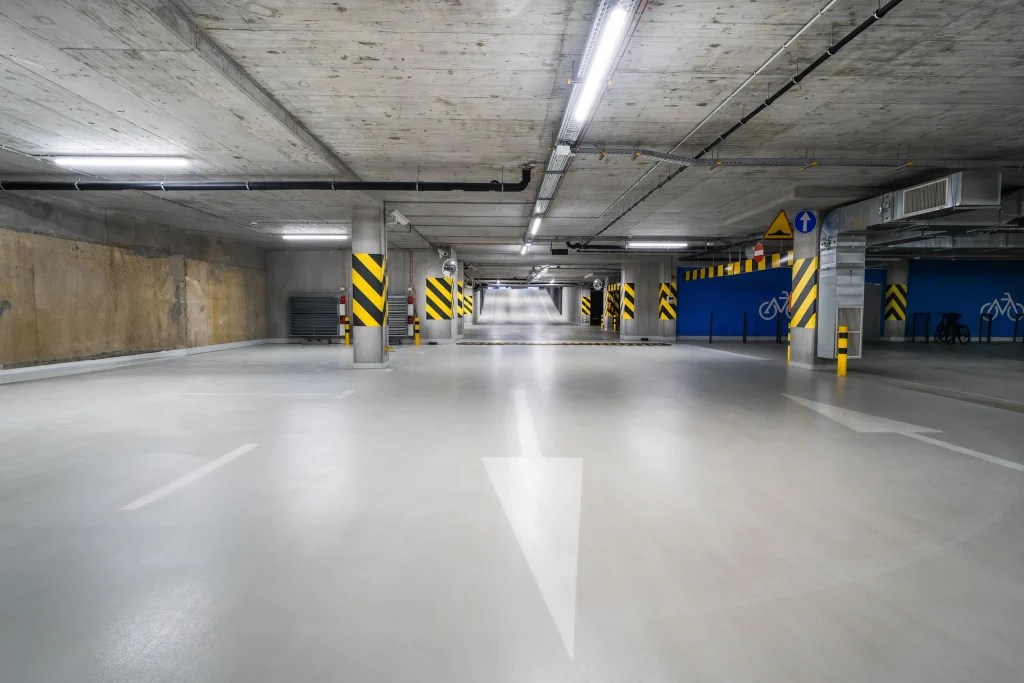
The following steps provide a general overview of how professionals approach garage floor resurfacing. The exact process can vary depending on the condition of the concrete and the resurfacing system being used. Product instructions and site conditions should always be considered before application.
1. Inspect and Prepare the Concrete
The process starts with a close inspection of the existing concrete. A professional checks for cracks, pits, stains, uneven areas, moisture concerns, and other surface problems. This helps determine whether the floor is suitable for resurfacing and what preparation or repairs may be needed.
2. Repair Cracks and Surface Damage
Suitable cracks, pits, and other surface defects should be addressed before the new system is applied. Minor surface repairs may be possible as part of the preparation process. However, major structural damage or significant concrete problems may require more extensive repair or replacement instead of resurfacing.
3. Clean and Prepare the Surface
The concrete needs to be free from dirt, grease, oil, dust, and other contaminants that could interfere with adhesion. Depending on the condition of the floor, professional surface preparation may include mechanical cleaning or other appropriate methods.
After cleaning and preparation, the surface may need to dry fully before the resurfacing system is applied. This drying stage is different from curing, which takes place after the new material has been installed.
4. Apply the Resurfacing or Coating System
Once the concrete is properly prepared, the selected resurfacing or coating system is applied according to the product requirements. The materials and application method can vary based on the type of system, condition of the concrete, desired finish, and intended garage use.
Professional application can help ensure that the system is installed under suitable conditions. This is especially important when the product has specific requirements for surface preparation, temperature, humidity, or application thickness.
5. Allow the Surface to Cure
After application, the new surface needs adequate time to cure. Curing time can vary depending on the product, temperature, humidity, ventilation, and other site conditions. The manufacturer’s instructions should be followed for the specific system.
Foot traffic and vehicle traffic should be avoided until the surface has adequately cured. Using the garage too soon can affect the finished surface and may reduce the expected performance of the system.
Overall, the right resurfacing approach depends on the condition of the existing concrete and the system being used. If you are unsure whether your garage floor is suitable, a qualified professional can assess the surface and recommend the appropriate preparation and resurfacing method.
How Much Does It Cost to Resurface a Garage Floor?
The cost to resurface a garage floor varies by project. There is no single price that applies to every garage. The main cost factors include:
- Garage size: Larger floors generally require more materials and labor.
- Concrete condition: Cracks, stains, pitting, and surface damage can increase preparation costs.
- Crack and surface repairs: Damaged areas may need repair before resurfacing.
- Surface preparation: Removing dirt, oil, grease, old coatings, or other contaminants can add labor and equipment costs.
- Resurfacing or coating system: Different systems have different material and application costs.
- Number of coats or layers: Some systems require multiple layers, which can increase material and labor costs.
- Decorative finishes: Colors, flakes, textures, and custom finishes may add to the total price.
- Labor: Preparation, application, equipment, and cleanup can affect labor costs.
- Location: Local labor rates, material availability, and market conditions vary by area.
- Contractor experience: Experienced professionals may charge different rates based on their expertise and the services included.
If you’re researching how much it costs to resurface a garage floor, the most accurate approach is to get a detailed estimate based on your garage’s size, condition, location, and selected resurfacing system.
When Should You Consider Garage Floor Resurfacing?
Garage floor resurfacing may be worth considering when an existing concrete floor looks worn, stained, or becomes harder to maintain. Common signs include:
- Visible surface wear: Areas that look rough, faded, or worn from regular use.
- Stains: Persistent oil, grease, or other stains that make the floor look unclean.
- Pitting: Small holes or surface pits that affect the appearance and texture of the concrete.
- Minor cracks: Small surface cracks that may be suitable for repair before resurfacing.
- Difficult-to-clean concrete: A porous or damaged surface that holds onto dirt, dust, and stains.
- Deteriorating appearance: Concrete that looks aged, discolored, or neglected.
- Desire for a more finished garage: Resurfacing can provide a cleaner and more consistent appearance.
These signs do not automatically mean resurfacing is the right solution. Severely damaged or structurally compromised concrete may require more extensive repair or replacement instead of a simple resurfacing system. A professional assessment can help determine whether the existing floor is suitable for garage floor resurfacing.
Is Professional Garage Floor Resurfacing Worth It?
Professional garage floor resurfacing can be worth considering when the existing concrete is generally sound but has become worn, stained, difficult to clean, or unattractive. It can also be a practical option when you want to improve the garage without removing and replacing the entire floor.
It may be a suitable choice when:
- The concrete is generally sound: The floor does not have major structural problems that require replacement.
- The surface is worn or stained: Resurfacing can improve the appearance of aged or discolored concrete.
- Cleaning has become difficult: A properly finished surface may make routine cleaning easier.
- You want a more finished garage: A new surface can create a cleaner and more consistent appearance.
However, resurfacing is not the right solution for every garage floor. Extensive structural damage, severe deterioration, or significant moisture problems may require more extensive repairs or replacement.
The best choice depends on the condition of the existing concrete, the desired result, and the total project cost. A professional assessment can help you compare resurfacing with other options before making a decision.
How to Choose a Garage Floor Resurfacing Professional
Choosing the right contractor can affect the quality, appearance, and long-term performance of your garage floor. Before hiring a contractor, compare their experience, preparation methods, materials, and the details included in their estimate.
Here are some important things to check before making a decision:
- Relevant experience: Look for experience with residential garage floors and similar resurfacing projects.
- Concrete preparation methods: Ask how the contractor will clean, repair, and prepare the concrete surface before application.
- Resurfacing or coating system: Find out which system will be used and why it is suitable for your garage floor and expected use.
- Written estimate: Request a detailed quote that clearly lists materials, preparation, labor, repairs, and other project costs.
- Warranty terms: Review what the warranty covers, how long it lasts, and whether any conditions or exclusions apply.
- References and reviews: Check recent customer reviews and, when possible, ask for examples of completed projects.
- Project timeline: Ask how long preparation, application, and the overall project are expected to take.
- Preparation requirements: Confirm what needs to be removed or done before work begins, such as clearing the garage.
- Drying requirements: Ask how long the prepared surface needs to dry before the resurfacing system is applied.
- Curing requirements: Confirm when foot traffic, vehicle traffic, and normal garage use can safely resume.
- What the quote includes: Make sure you understand whether repairs, surface preparation, materials, cleanup, and finishing work are included.
Be cautious of contractors who provide a price without first inspecting the concrete or explaining how they will prepare the surface. A lower quote may not represent better value if important preparation or repair work is left out.
A reliable contractor should be willing to explain the recommended system, preparation process, expected timeline, and warranty terms in clear language. Comparing more than one qualified professional can help you understand your options and choose based on the overall value of the project rather than price alone.
Conclusion
Professional garage floor resurfacing can be a practical way to improve a worn concrete garage floor without replacing the entire surface. It can provide better durability for everyday vehicle and foot traffic, improve the garage’s appearance, and make routine cleaning easier. A suitable resurfacing or coating system can also provide improved resistance to common garage contaminants such as oil, automotive fluids, moisture, and dirt.
However, the results depend heavily on proper concrete assessment, surface preparation, product selection, and professional application. Severely damaged or structurally compromised concrete may require repair or replacement instead. At Well Hint, we aim to provide practical home maintenance information that helps homeowners make informed decisions about their homes. If you are considering garage floor resurfacing, a qualified professional can help determine whether it is suitable for your existing floor and needs.
Frequently Asked Questions
Can You Resurface an Old Concrete Garage Floor?
Yes, in many cases. An old concrete garage floor can often be resurfaced if the concrete is structurally sound and properly prepared. Severely damaged concrete may need repair or replacement instead.
How Long Does Garage Floor Resurfacing Last?
It can last for several years or longer. The lifespan depends on the resurfacing system, concrete condition, surface preparation, installation quality, garage use, and ongoing maintenance.
How Long Does It Take to Resurface a Garage Floor?
Usually, the application itself does not take very long, but the full process takes longer. Preparation, repairs, application, drying, and curing all affect the overall timeline.
Can I Drive on the Garage Floor Immediately After Resurfacing?
No. Vehicle traffic should wait until the resurfacing system has adequately cured. Always follow the manufacturer’s instructions for the specific product or system.
Is Garage Floor Resurfacing Better Than Painting?
It can be, depending on your needs. Professional resurfacing or coating systems generally involve more extensive surface preparation and are designed for garage-floor use, while basic floor paint mainly provides color and a simple protective layer. The best option depends on the condition of the concrete, desired finish, budget, and expected use.

