



Buying a coastal property can offer beautiful views, outdoor recreation, and a unique lifestyle. But homes near the water can also come with higher maintenance needs, insurance costs, flood risk, and weather exposure. Understanding these factors before buying can help you choose a property that fits your budget and long-term needs.
Why Are Coastal Properties So Appealing?
Coastal properties attract buyers for more than their location near the water. They can offer scenic surroundings, a relaxed lifestyle, and more opportunities to enjoy outdoor spaces. For many homeowners, these features make coastal living appealing for everyday life or occasional use.
Scenic Views and Natural Surroundings
One of the biggest attractions of coastal properties is the surrounding scenery. Depending on the location, a home may offer views of the ocean, beach, bay, or other natural areas.
Large windows, balconies, patios, and outdoor seating areas can make it easier to enjoy these views from the home. Natural surroundings can also make outdoor spaces feel more connected to the property.
The view can vary greatly from one coastal property to another. A home directly on the shoreline may have a different experience from one located several blocks inland. Buyers should consider both the view and the property’s exposure to coastal weather.
Relaxed Coastal Lifestyle and Recreation
Coastal living can provide easy access to outdoor recreation. Depending on the area, residents may enjoy activities such as walking along the beach, swimming, boating, fishing, kayaking, or simply spending time outdoors.
Many coastal communities also have restaurants, parks, shops, and local attractions nearby. This can appeal to people who enjoy an active outdoor lifestyle, as well as those who prefer a quieter setting.
The lifestyle is not the same in every coastal community. Some areas are busy tourist destinations, while others are small residential towns. Researching the local community can help you find a location that fits your daily routine.
Outdoor Living Opportunities
Coastal properties often make outdoor living a natural part of home life. Patios, decks, balconies, porches, and yards can provide useful spaces for relaxing, dining, or spending time with family and friends.
At the same time, coastal weather can be harder on outdoor areas. Salt air, strong winds, moisture, and storms may cause faster wear on some materials and fixtures. Choosing weather-resistant materials and keeping up with regular maintenance can help protect the property over time.
What Types of Coastal Properties Can You Buy?
Coastal properties come in many forms. The right choice depends on your budget, preferred location, lifestyle, and how you plan to use the home.
Some properties sit directly on the shoreline, while others are near beaches, bays, canals, or inlets. Each type has different benefits, maintenance needs, and potential risks.
| Property Type | Typical Setting | Maintenance Considerations |
| Beachfront Home | Directly on the coast or beach | Higher exposure to wind, salt air, moisture, flooding, and storms |
| Coastal Cottage/Bungalow | Near the coast or beach | Condition of roof, foundation, exterior, and older materials matters |
| Coastal Condo/Apartment | Waterfront or near a beach | Review HOA fees, building maintenance, insurance, and owner responsibilities |
| Waterfront Home | Bay, canal, inlet, lagoon, or connected waterway | Check flooding, drainage, shoreline conditions, docks, and local rules |
Beachfront Homes
Beachfront homes sit directly along the coast, often with direct access to a beach or open water. They can provide wide water views and easy access to the shoreline.
These homes can be appealing to buyers who want the coastal setting to be part of their everyday life. Many also have decks, patios, balconies, or large windows designed to make the most of the surroundings.
However, beachfront homes can have greater exposure to wind, salt air, moisture, flooding, and severe storms. Buyers should carefully check the property’s flood risk, insurance requirements, building condition, and local regulations before making an offer.
Coastal Cottages and Bungalows
Coastal cottages and bungalows are often smaller homes with a simple and comfortable layout. They may be located near the beach without sitting directly on the shoreline.
These properties can suit buyers who prefer a quieter coastal setting or a more manageable home. Depending on the location, they may include porches, outdoor seating areas, gardens, or other spaces for enjoying the coastal environment.
The condition of an older cottage is especially important to check. Buyers should look for signs of moisture, roof wear, foundation problems, and exterior damage before purchasing.
Coastal Condos and Apartments
Coastal condos and apartments can offer access to a beach or waterfront community without the responsibilities of maintaining an entire standalone home.
Many coastal condo communities include shared features such as pools, parking areas, fitness rooms, balconies, or common outdoor spaces. Maintenance of certain shared areas is usually handled through the homeowners association or property management.
Before buying a coastal condo, review the HOA fees, rules, insurance arrangements, and recent building maintenance. It is also important to understand which repairs are the owner’s responsibility and which are covered by the association.
Waterfront Homes, Bays, Canals, and Inlets
Not all coastal properties are directly on an ocean beach. Some are located along bays, canals, inlets, lagoons, or other connected waterways.
These homes can offer water views and access to activities such as boating and fishing. Some properties may also have docks, boat slips, or private waterfront areas.
Waterfront conditions can vary significantly by location. Buyers should consider flooding, drainage, shoreline conditions, water access, and local building rules. A professional inspection can also help identify problems that may not be obvious during a regular property viewing.
Major Challenges and Environmental Risks
Coastal properties can offer a great lifestyle, but they also face environmental conditions that may be less common in inland areas. Wind, water, moisture, salt air, and changing shoreline conditions can affect the home over time.
These risks can vary by location. Before buying, consider the property’s exposure, construction, condition, insurance costs, and local flood information.
Storms, Strong Winds, and Flooding
Coastal properties can face storms, strong winds, flooding, and storm surge. NOAA provides information about coastal hazards and the risks facing coastal communities.
Flooding is another important concern. A property does not have to sit directly on the beach to face flood risk. Heavy rainfall, storm surge, poor drainage, and nearby waterways can all contribute to flooding.
Before buying a coastal property, check its flood risk and review the available insurance options. You should also inspect the roof, windows, doors, foundation, and other areas that may be vulnerable to severe weather.
Salt Air Corrosion and Faster Exterior Wear
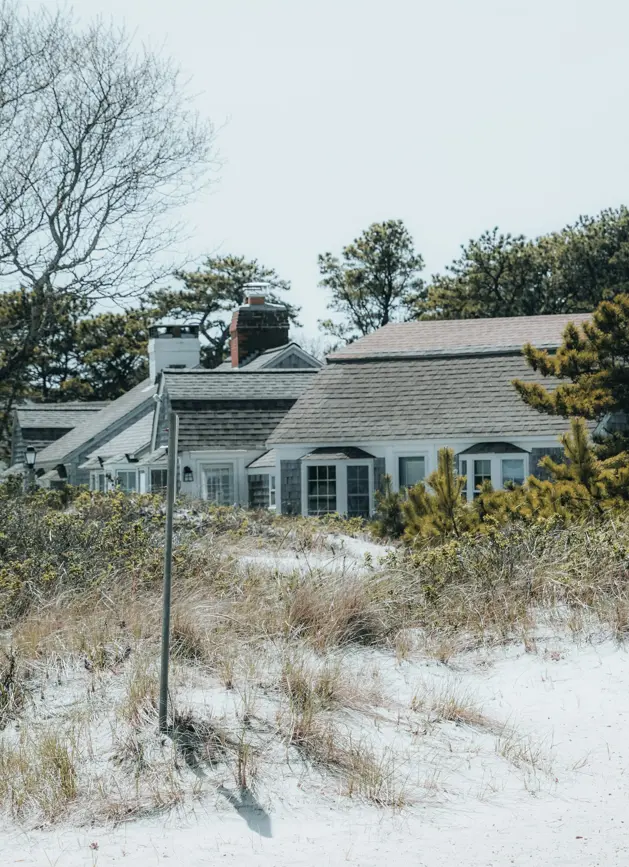
Salt air can affect materials and outdoor equipment over time. Metal fixtures, railings, fasteners, outdoor furniture, and other exposed components may be more likely to corrode in coastal environments.
Moisture and strong winds can also increase exterior wear. Paint, siding, roofing materials, windows, and outdoor surfaces may require regular inspection and maintenance.
Using suitable exterior materials and addressing small problems early can help protect the home. Regular cleaning and maintenance are especially important for properties located close to saltwater.
Long-Term Coastal Erosion
Coastal erosion occurs when waves, currents, storms, and other natural processes gradually remove or move shoreline materials. The rate and impact can vary significantly between locations.
Erosion can affect beaches, dunes, shorelines, and properties near vulnerable coastal areas. Local rules may also limit certain construction or shoreline protection projects.
Before buying a coastal property, research the area’s shoreline conditions and any applicable local regulations. Understanding these factors can help you make a more informed decision about the property’s long-term suitability.
How to Choose the Right Location
Choosing the right location is one of the most important steps when buying a coastal property. The location affects flood risk, weather exposure, daily convenience, maintenance, and long-term ownership costs.
Look beyond the view and proximity to the water. Consider the area’s risks, services, community, local rules, and the condition of nearby properties before making a decision.
Evaluate Flood and Storm Exposure
Coastal areas can face hurricanes, tropical storms, storm surge, heavy rainfall, and strong winds. The level of risk varies by location and by the property’s distance from the shoreline.
Check available flood risk information before buying. Also consider the property’s elevation, drainage, nearby waterways, and past storm conditions. Ask about the home’s history of flooding or storm damage.
Insurance costs are also important. Get quotes for homeowners insurance and, where appropriate, flood or wind coverage before making an offer. This can help you understand the property’s ongoing costs.
Consider Access to Local Services
A coastal home may look ideal, but daily convenience matters too. Check how close the property is to grocery stores, medical facilities, schools, restaurants, pharmacies, and other services you may use regularly.
Also consider road access and travel times. Some coastal communities can experience traffic or limited access during busy seasons or severe weather.
If you plan to use the property as a vacation home, consider its distance from airports, major roads, beaches, marinas, and other places you expect to visit.
Research the Community and Local Regulations
Every coastal community has its own rules and characteristics. Research the neighborhood, local government requirements, zoning rules, and building restrictions before buying.
Some areas may have specific requirements for renovations, additions, fences, decks, docks, or other coastal improvements. Local rules may also address flood protection, shoreline areas, or storm-resistant construction.
If the property is part of an HOA, review its fees, rules, insurance responsibilities, and maintenance requirements. Understanding these details can help you avoid unexpected restrictions or costs.
Consider Long-Term Property Conditions
The condition of the property and surrounding area can affect your ownership experience for years. Look beyond the home’s current appearance and check for signs of moisture, corrosion, drainage problems, roof wear, foundation concerns, and exterior damage.
Consider how the property may be affected by ongoing coastal conditions. Shoreline changes, repeated storms, moisture, and salt air can increase maintenance needs over time.
Consider the property’s future maintenance and repair needs before deciding whether it fits your budget.
What to Check Before Making an Offer
Before making an offer on a coastal property, take time to understand the home’s condition, risks, insurance needs, and local requirements. A property may look appealing during a viewing, but some problems are not easy to spot.
☐ Get a professional home and structural inspection
- Check the roof, foundation, walls, windows, plumbing, electrical system, HVAC equipment, and exterior.
- Look for moisture, corrosion, drainage problems, storm damage, and water intrusion.
☐ Check flood risk and elevation information
- Review official flood maps.
- Check the property’s elevation, drainage, and proximity to waterways.
- Ask about previous flooding or water damage.
☐ Compare insurance availability and costs
- Get homeowners insurance quotes.
- Ask about flood and wind coverage where appropriate.
- Compare deductibles, limits, exclusions, and special requirements.
☐ Review zoning and building restrictions
- Check rules for renovations, additions, decks, fences, docks, pools, and other improvements.
- Review flood-zone, shoreline, setback, elevation, and storm-resistant construction requirements where applicable.
- Check HOA rules if the property is in an HOA.
These checks can help you make a more informed decision and reduce the chance of unexpected costs after you buy.
What Costs Should You Consider Besides the Purchase Price?
These costs can vary by location, property type, age, condition, and exposure to coastal weather. Understanding them before buying can help you create a more realistic homeownership budget.
Homeowners, Windstorm, and Flood Insurance
Insurance can be a significant ongoing expense for coastal homeowners. Depending on the location, you may need homeowners insurance along with separate windstorm or flood coverage.
Coastal properties may face risks from strong winds, hurricanes, storm surge, and flooding. Insurance availability and pricing can vary by property and location.
Before making an offer, get insurance quotes and review the coverage carefully. Pay attention to deductibles, coverage limits, exclusions, and whether flood or wind damage requires a separate policy.
Property Taxes and HOA Fees
Property taxes are another ongoing cost to consider. Tax rates and annual bills vary by location and property value.
If you are buying a coastal condo or a home in an HOA community, you may also have monthly or annual HOA fees. These fees can help cover shared areas, landscaping, building maintenance, amenities, or other community services.
Review the current fees and HOA rules before buying. Ask whether there are additional assessments or planned increases that could affect your future costs.
Maintenance and Repairs
Coastal homes can require regular maintenance because of moisture, salt air, strong winds, and changing weather conditions. Exterior surfaces, roofs, windows, doors, metal fixtures, and outdoor equipment may need frequent inspection.
Maintenance costs also depend on the home’s age, construction, materials, and overall condition. Older properties may need more repairs than newer homes.
Set aside part of your homeownership budget for routine maintenance and unexpected repairs. A professional inspection before purchase can help identify potential expenses.
Storm Preparation and Other Ongoing Costs
Coastal homeowners may need to prepare their property before severe weather. This can include securing outdoor furniture, checking storm shutters or impact-resistant windows, clearing gutters, trimming vulnerable branches, and protecting items that could be damaged by strong winds or flooding.
Other ongoing costs may include landscaping, pest control, utilities, cleaning, property management, and repairs after severe weather.
If you will use the property as a second home, also consider the cost of maintaining it while you are away. Planning for these expenses can help you understand the true cost of owning a coastal property.
Best Practices for Maintaining a Coastal Home
Coastal homes are exposed to moisture, salt air, strong winds, and changing weather conditions. These factors can cause exterior surfaces and equipment to wear faster than they might in some inland areas.
Regular home maintenance can help you spot problems early and protect the property from avoidable damage. A simple maintenance routine can also help you plan repairs before they become more expensive.
Protect Exterior Surfaces From Moisture and Salt
Moisture and salt air can affect siding, paint, wood, concrete, and other exterior surfaces. Inspect these areas regularly for peeling paint, cracks, staining, rust, or signs of water damage.
Clean exterior surfaces when needed and repair damaged areas promptly. Use materials and finishes that are suitable for the local coastal environment when replacing or updating exterior features.
Good drainage is also important. Keep water away from the foundation and make sure gutters and downspouts direct rainwater away from the home.
Maintain Windows, Doors, and Metal Fixtures
Windows and exterior doors can be exposed to wind, rain, humidity, and salt air. Check frames, seals, screens, locks, and hardware for signs of damage or corrosion.
Metal railings, fasteners, outdoor fixtures, and other exposed components can also develop rust over time. Clean them as needed and replace damaged or heavily corroded parts.
Pay attention to gaps around windows and doors. Damaged seals can allow moisture to enter the home and contribute to water damage.
Inspect the Roof and Gutters
The roof is one of the most important parts of a coastal home. Strong winds and severe weather can damage shingles, flashing, vents, and other roofing components.
Inspect the roof regularly for missing, loose, cracked, or damaged materials. After severe weather, look for visible signs of damage from the ground and arrange a professional inspection when needed.
Keep gutters and downspouts clear of leaves and debris. Make sure they drain water away from the foundation and do not create areas where water collects near the home.
Service HVAC Systems and Outdoor Equipment
Coastal moisture and salt air can affect outdoor HVAC components and other equipment. Follow the manufacturer’s recommended maintenance schedule and have the system professionally serviced when appropriate.
Keep outdoor units clear of leaves, dirt, plants, and other debris. Check for visible corrosion or damage and address problems early.
Regular HVAC maintenance can help keep heating and cooling equipment working properly and identify problems before they become more expensive. For more guidance, see our guide to regular HVAC maintenance.
Check the Home After Major Storms
After a major storm, inspect the property for visible signs of damage. Check the roof, windows, doors, siding, gutters, outdoor structures, and drainage areas.
Look for water intrusion, damaged materials, standing water, fallen branches, and other storm-related problems. If you notice structural damage, electrical hazards, gas leaks, or significant water damage, contact the appropriate qualified professional before attempting repairs yourself.
Document damage with photos and contact your insurance provider if you need to make a claim. Addressing problems promptly can help prevent further damage and keep the coastal home in good condition.
Frequently Asked Questions About Coastal Properties
Is Flood Insurance Mandatory for Coastal Homes?
Not always. Requirements depend on the property’s location, flood zone, and lender. Even when it is not required, flood insurance may be worth considering.
How Does Salt Air Damage a House Over Time?
Salt air can cause corrosion and faster wear on metal fixtures, outdoor equipment, siding, and other exposed materials. Regular cleaning and maintenance can help.
What Should I Inspect Before Buying a Coastal Property?
Check the roof, foundation, structure, windows, doors, HVAC system, drainage, and exterior. Also look for moisture, corrosion, flooding, and storm damage.
Are Coastal Properties a Good Long-Term Investment?
It depends on the location and property. Before buying, consider the purchase price, condition, insurance, maintenance costs, flood risk, property taxes, and the local market.
Final Thoughts: Coastal Properties
Coastal properties can offer beautiful surroundings, outdoor living, and easy access to beaches and recreation. But buying a coastal home also requires careful planning.
Before making a decision, consider flood risk, storm exposure, insurance, maintenance, property condition, and local regulations. A professional inspection and thorough research can help you understand the property before you buy.
The right coastal property is one that fits your lifestyle, budget, and long-term needs. Taking time to evaluate the risks and ongoing costs can help you make a more informed purchase.

