


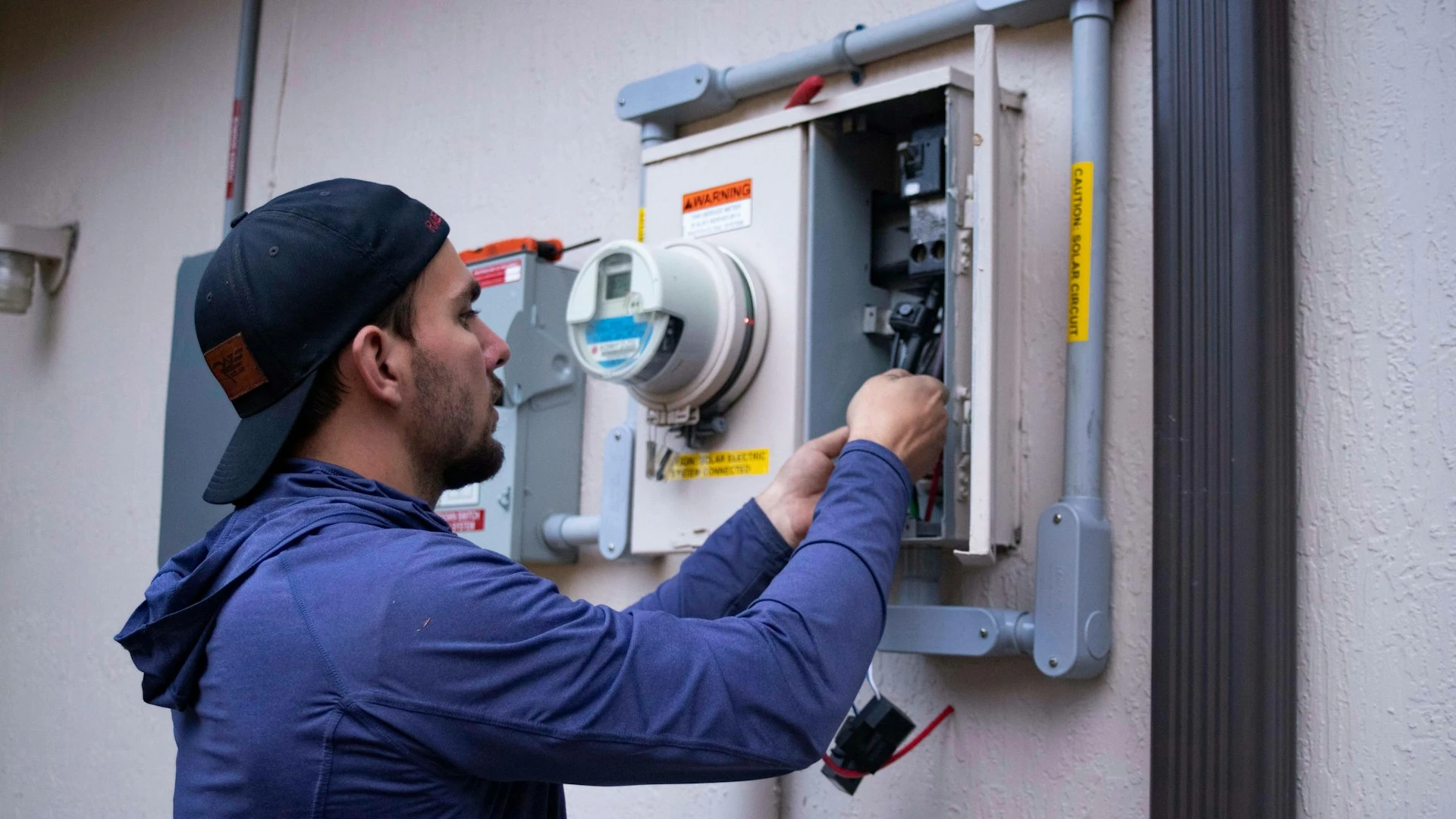
Regular residential HVAC maintenance helps keep your heating and cooling system working properly. It can improve system efficiency, support consistent indoor comfort, and help catch minor problems before they become costly repairs.
Many homeowners make simple maintenance mistakes that can affect HVAC performance. These include skipping routine service, ignoring dirty filters, overlooking unusual noises, and delaying professional repairs.
Most of these problems can be prevented with proper care and timely attention. Knowing the most common HVAC maintenance errors can help you protect your system and keep it running reliably.
If you are unsure about a maintenance task, contact a qualified HVAC professional. Here are seven common residential HVAC maintenance errors and how to avoid them.
Not Scheduling Regular Maintenance
Skipping routine HVAC maintenance is one of the most common mistakes homeowners make. Heating and cooling equipment works hard throughout the year. Without regular care, small problems can go unnoticed and become more expensive to fix.
A professional HVAC inspection can help identify worn components, airflow problems, electrical issues, and other signs of trouble. Routine HVAC maintenance can also help keep the system operating efficiently.
The right maintenance schedule depends on the type of system and the manufacturer’s recommendations. Many homeowners benefit from having their HVAC system inspected at least once a year. Systems that provide both heating and cooling may need attention before each major season. For additional guidance, see the ENERGY STAR HVAC maintenance checklist.
To avoid this mistake, follow the maintenance schedule recommended for your equipment. Keep records of professional service and address problems as soon as they are noticed.
Neglecting Air Filters
A dirty air filter can restrict airflow and make your heating and cooling system work harder. Over time, this can affect system performance and indoor comfort.
Air filters also help capture dust and other airborne particles before they move through the HVAC system. A clogged filter can reduce airflow and may contribute to problems with the equipment.
Filter replacement depends on the filter type, system, home conditions, and manufacturer’s recommendations. Homes with pets, construction dust, or higher levels of indoor dust may require more frequent filter changes.
Check the filter regularly and replace it when it becomes dirty. Always use the correct filter size and type for your HVAC system.
Ignoring Mold and Moisture Problems
Excess moisture can create conditions that support mold growth around parts of an HVAC system. Moisture problems can also contribute to unpleasant odors and damage if they are left unresolved.
Areas around evaporator coils, condensate drains, drain pans, and other moisture-prone components should be checked during routine maintenance. A clogged condensate drain can cause water to back up and create additional problems.
Good humidity control and proper airflow can help reduce moisture-related issues. If you notice visible mold, standing water, persistent dampness, or a musty odor near the HVAC system, investigate the source instead of simply covering up the problem.
Some HVAC components require professional cleaning or repair. If the source of the moisture is unclear, have a qualified technician inspect the system.
Ignoring Strange Noises
An HVAC system may make some normal operating sounds, but a sudden or unusual noise should not be ignored.
Clicking, buzzing, rattling, grinding, or squealing can indicate a loose component, fan problem, motor issue, electrical problem, or another mechanical concern. The exact cause depends on the type of noise and the equipment involved.
Ignoring an unusual sound can allow a minor problem to become more serious. It may also reduce system performance or lead to an unexpected breakdown.
Pay attention to changes in the sound of your HVAC system. If a strange noise continues or becomes louder, turn to a qualified HVAC professional for proper diagnosis and repair.
Not Cleaning the Air Vents
Dirty air vents can collect dust and debris over time. Heavy buildup can affect airflow and reduce the overall cleanliness of the air distribution system.
Homeowners should regularly inspect supply and return vents. Remove visible dust and keep furniture, rugs, and other objects from blocking them.
It is also important to check for damaged or poorly sealed ductwork when airflow problems occur. Leaks or gaps in ducts can allow conditioned air to escape and may reduce system efficiency.
Regularly cleaning accessible vents and keeping them unobstructed can support better airflow. If you suspect a ductwork problem, have it inspected by an HVAC professional.
Ignoring Condensate Drain Maintenance
The condensate drain is an important part of many air conditioning systems. It carries moisture away from the equipment as the system removes humidity from indoor air.
Over time, algae, dirt, and other debris can restrict the drain. A clogged condensate drain can cause water to back up into or around the HVAC equipment. This may lead to water damage and other system problems.
Check the area around the indoor HVAC unit for signs of water or moisture. If you notice repeated drainage problems, do not ignore them.
Some basic maintenance may be suitable for homeowners, but the correct procedure depends on the system. If the drain is blocked or the cause of the problem is unclear, contact a qualified technician.
Not Hiring Professionals When Needed
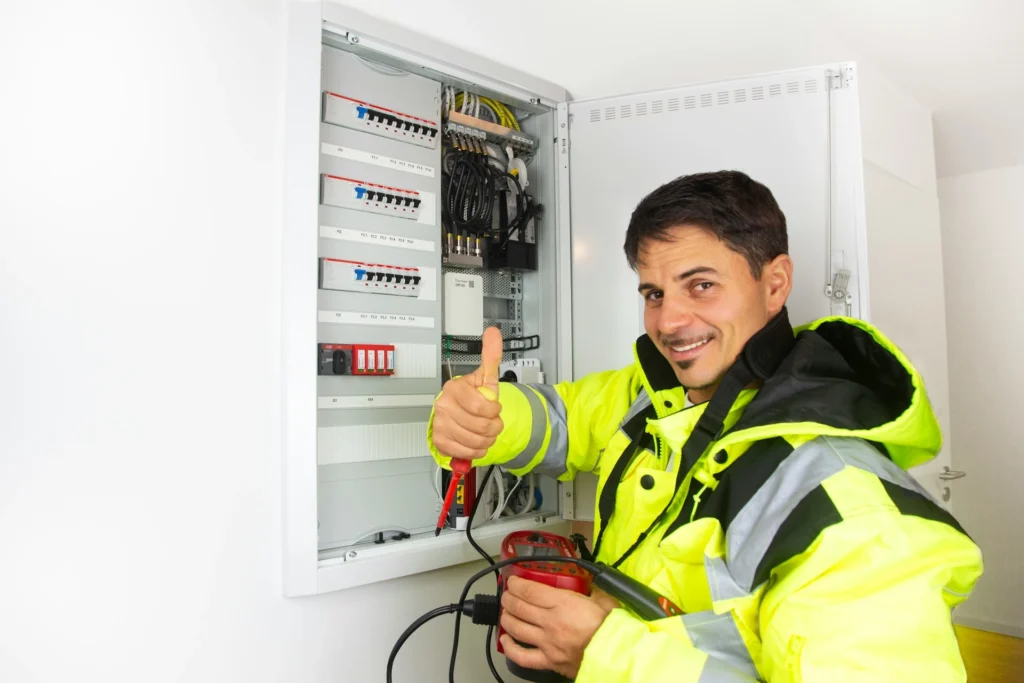
Some basic HVAC maintenance tasks can be handled by homeowners. However, certain repairs and inspections require professional knowledge and equipment.
Electrical components, refrigerant systems, gas connections, motors, and other internal parts should be handled by qualified professionals when service or repair is needed.
Trying to repair a complex HVAC problem without the proper training can cause further damage and create safety risks. It can also turn a small repair into a more expensive problem.
Know your limits and get professional help when needed. A qualified HVAC technician can diagnose the problem, perform necessary repairs, and check that the system is operating properly.
Conclusion
Avoiding common HVAC maintenance errors can help keep your heating and cooling system running properly throughout the year. Regular maintenance, clean air filters, clear vents, and timely attention to unusual noises or moisture problems can help reduce avoidable issues.
Following the manufacturer’s maintenance recommendations and addressing problems early can help protect your HVAC system and support reliable performance. If you are unsure about a maintenance task or notice a problem you cannot safely fix, contact a qualified HVAC professional for help.
With regular care and professional service when needed, you can maintain a more comfortable home and reduce the risk of unexpected HVAC problems.
Frequently Asked Questions
How often should residential HVAC maintenance be done?
Follow the maintenance schedule recommended by your HVAC manufacturer. Many systems benefit from a professional inspection at least once a year, while some may require more frequent service based on the system and how it is used.
How often should I replace my HVAC air filter?
Check the air filter regularly and replace it when it becomes dirty. The correct replacement schedule depends on the filter type, system, and conditions in your home.
Can a dirty air filter damage an HVAC system?
Yes. A clogged filter can restrict airflow and make the system work harder. This can reduce performance and may contribute to equipment problems.
Should I ignore unusual HVAC noises?
No. Unusual clicking, buzzing, rattling, grinding, or squealing sounds can indicate a problem. If the noise continues, have the system checked by a qualified HVAC professional.
Can a clogged condensate drain cause HVAC problems?
Yes. A clogged condensate drain can cause water to back up around the HVAC equipment. If left unresolved, it may lead to water damage and other system problems.

