



What is the best roofing material for your home? The answer depends on your budget, local climate, roof structure, and maintenance preferences. Asphalt shingles are often a practical choice for homeowners on a tighter budget, while metal, clay tile, and slate offer different benefits in durability, appearance, and long-term performance.
Asphalt shingles, metal roofing, clay tile, concrete tile, slate, and wood shingles differ in cost, durability, appearance, and maintenance needs. Understanding these differences can help you narrow down the options that suit your home.
This guide compares six roofing materials, their main benefits and drawbacks, and the factors to consider before choosing one for your home.
What Makes a Roofing Material a Good Choice?
A roofing material should suit the conditions your roof will face and the structure supporting it. Before comparing styles or prices, check its weather ratings, weight, installation requirements, expected upkeep, and compatibility with your roof design. These details help you rule out unsuitable options before spending money on estimates.
Before choosing a roofing material, consider these key factors:
- Durability: How well can the material withstand everyday wear and exposure to the elements over time?
- Weather resistance: Is it suitable for the heat, rain, snow, wind, or hail common in your area?
- Maintenance: Will it need regular inspections, occasional repairs, or specialized care?
- Roof weight: Can your home’s structure safely support the material? This is especially important for heavier options such as clay tile, concrete tile, and slate.
- Roof slope and design: Is the material suitable for your roof’s pitch, shape, and drainage requirements?
- Installation requirements: Does the material require specialized skills, specific underlayment, or particular fastening methods?
- Building codes: Does it meet local requirements for fire safety, wind resistance, and structural support?
- Total cost: Can you afford the initial installation as well as future maintenance and repairs?
- Appearance: Does the material complement your home’s architectural style?
Keep in mind that the roofing material is only one part of a complete roof system. Proper underlayment, flashing, ventilation, drainage, and installation all contribute to how well your roof performs.
6 Roofing Materials to Consider
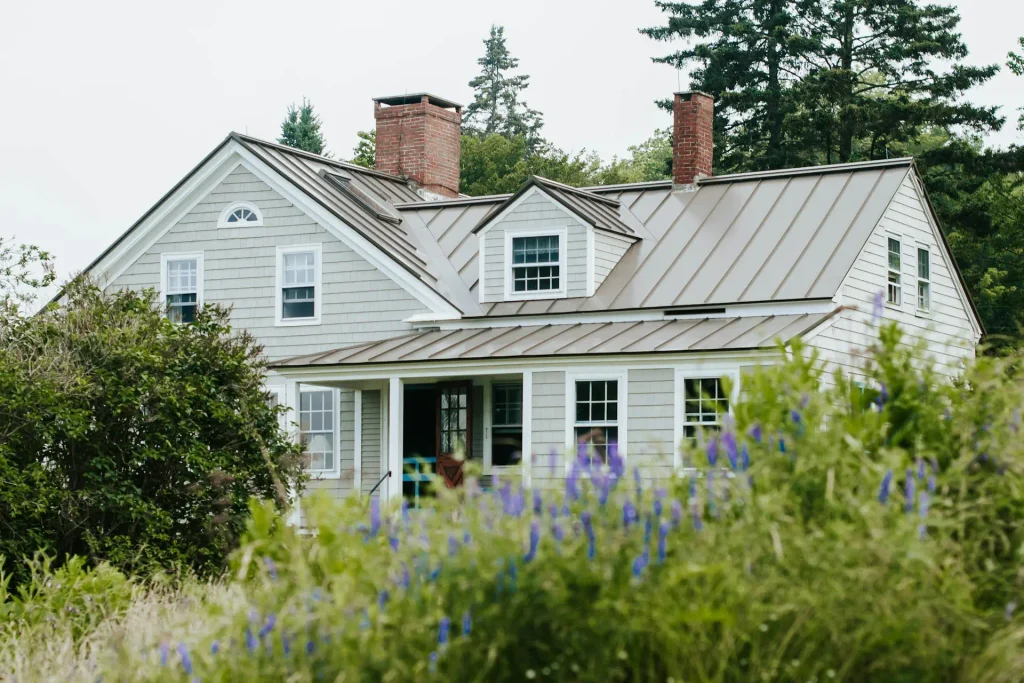
From affordable, widely available options to premium materials known for their distinctive appearance, roofing choices vary in cost, durability, weight, and maintenance requirements.
Each roofing material has its own strengths and drawbacks. Comparing their costs, durability, weight, and maintenance needs can help you narrow down the options that fit your home.
1. Asphalt Shingles
Asphalt shingles are a common choice for U.S. homes because they are available in many colors, styles, and price ranges. They can also be simpler to repair than some specialty roofing systems, although the actual cost and repair process depend on the shingle type, roof design, and availability of matching materials.
Benefits:
- Generally more affordable upfront than premium options such as slate and many tile roofs
- Available in a wide range of colors and styles to suit different home designs
- Relatively lightweight and compatible with many residential roof structures
- Individual damaged shingles can often be replaced without replacing the entire roof
Limitations:
- Lifespan and performance vary by product quality, installation, and local weather
- Wind, hail, and prolonged heat can damage shingles, so regular inspections are important for identifying damage that may need repair
Best suited for: Homeowners looking for a widely available roofing option with a range of upfront costs and straightforward repair options.
Before choosing asphalt shingles, compare product warranties, wind-resistance ratings, and suitability for your local climate. These details can make a meaningful difference in how well the roof performs over time.
2. Metal Roofing
Metal roofing is available in materials such as steel and aluminum, with different profiles, colors, and finishes to suit a variety of home styles. Depending on the product, it can offer a durable roofing solution without adding as much weight as clay tile, concrete tile, or slate.
Benefits:
- Relatively lightweight compared with many tile and slate roofing systems
- Can offer strong wind and weather protection when the product is rated for local conditions and installed according to the manufacturer’s specifications
- Available in different profiles and finishes, including panels designed to resemble traditional roofing materials
- Some metal roofing systems require relatively little routine maintenance
Limitations:
- Initial installation costs vary depending on the metal, finish, panel design, and complexity of the roof
- Some products may be vulnerable to corrosion if their protective coatings or fasteners are unsuitable for local conditions
- Poor installation or inadequate detailing around roof penetrations can lead to water-entry problems
- Rain and hail may produce noticeable noise depending on the roof assembly and the home’s insulation
Best suited for: Homeowners looking for a relatively lightweight roof with a range of design options and the potential for long-term performance.
Before choosing metal roofing, compare the product’s corrosion resistance, wind rating, installation requirements, and warranty. Homes in coastal areas should use metal, coatings, fasteners, and flashing suited to salt-air exposure.
3. Clay Tile Roofing
Clay tile roofing is made from fired clay and is often seen on Mediterranean-, Spanish-, and other traditional-style homes. Its distinctive appearance and potential for a long service life make it an attractive option for homeowners who want a classic tile roof.
Benefits:
- Offers a distinctive appearance with a range of tile shapes and colors
- Can provide long-lasting performance when the tiles and complete roofing system are properly selected and installed
- Can perform well when the tile, roof slope, and installation system suit the local climate
- Individual damaged tiles can often be replaced without removing the entire roof covering
Limitations:
- Heavy tiles may require a roof structure designed to support their weight
- Initial material and installation costs can be higher than those of basic asphalt shingles
- Tiles can crack or break under impact or improper handling
- Installation and repairs require appropriate skills to avoid damaging tiles or compromising the roof’s water protection
Best suited for: Homeowners who want a traditional tile appearance and whose roof structure, design, and local climate are suitable for clay tiles.
Before choosing clay tile, have the roof structure assessed if necessary and check that the selected tiles are suitable for your area’s weather conditions. Proper underlayment, flashing, and installation are also essential to the performance of the complete roof system.
4. Concrete Tile Roofing
Concrete roof tiles are made from cement-based materials and can be shaped and finished to create a variety of roofing styles. They can suit traditional and contemporary homes, offering an alternative to clay tiles for homeowners who prefer the look of a tile roof.
Benefits:
- Available in a wide range of shapes, colors, and finishes
- Can provide long-term performance when properly installed and maintained
- Some profiles can resemble clay tiles or other traditional roofing styles
- Individual damaged tiles can often be replaced without removing the entire roof covering
Limitations:
- Concrete tiles are heavy and may require a roof structure designed to support their weight
- Some tiles may crack or break due to impact, handling, or other damage
- The appearance and performance of the finish can vary by product and exposure to weather
- Installation requires careful attention to the manufacturer’s specifications and the complete roof system
Best suited for: Homeowners who want the appearance and design flexibility of a tile roof and have a structure suitable for concrete tiles.
Before choosing concrete tile, compare the product’s weight, installation requirements, finish, and warranty. If you are replacing a lighter roofing material, have a qualified professional determine whether your roof structure can support the additional load.
5. Slate Roofing
Slate roofing uses natural stone pieces that create a distinctive, traditional finish. Some slate roofs can remain in service for many decades, but longevity depends on the slate’s quality, the roof design, installation, and ongoing maintenance. Its weight and specialized installation needs make it important to assess the roof structure before choosing this material.
Benefits:
- Offers a distinctive natural stone appearance
- Can provide a very long service life when suitable slate is correctly installed and maintained
- Is naturally resistant to fire
Individual damaged pieces can often be replaced by a professional without removing the entire roof covering
Limitations:
- Natural slate is heavy and requires a roof structure capable of supporting its weight
- Material and installation costs can be substantially higher than those of many other roofing options
- Installation and repairs require contractors experienced in slate roofing
- Slate quality varies, so the material must be selected carefully for the intended application
Best suited for: Homeowners who value natural stone, want a traditional high-end appearance, and have the budget and roof structure needed for slate installation.
Before choosing slate, confirm that your roof can support the load and compare the quality, expected service life, and warranty of the available products. An experienced slate roofing contractor can also explain the installation requirements and likely maintenance costs.
6. Wood Shingles and Shakes
Wood shingles and shakes give a roof a natural appearance that complements Craftsman, rustic, and traditional-style homes. Cedar is commonly used because it offers a distinctive texture and is suitable for certain roofing applications.
Although the terms are sometimes used interchangeably, wood shingles are generally sawn to create a more uniform shape, while shakes typically have a thicker, more textured appearance.
Benefits:
- Provides a natural look and texture that other roofing materials may not replicate
- Complements certain traditional and rustic architectural styles
- Offers different visual effects depending on the wood species and how the roofing pieces are made
Limitations:
- Requires appropriate maintenance to help manage moisture exposure and deterioration
- Can be vulnerable to rot, mold, or other moisture-related problems if conditions and maintenance are unsuitable
- Fire performance depends on the specific wood product, any approved fire-retardant treatment, and the complete roofing assembly
- Some locations restrict wood roofing or require specific fire ratings, so check local building codes and your insurer’s requirements before choosing it.
Best suited for: Homeowners who prefer a natural wood finish and are prepared to follow the required maintenance and fire-safety recommendations.
Before choosing wood shingles or shakes, check local building requirements, insurance conditions, and the manufacturer’s guidance for your climate. Proper installation, ventilation, and maintenance are important for helping the roof perform as intended.
Roofing Materials Compared
Roofing materials differ in upfront cost, weight, appearance, and maintenance needs. Use the table as a starting point rather than a fixed ranking: the final cost and performance depend on the specific product, roof design, local conditions, and installation work.
| Roofing Material | Relative Cost | Weight | Maintenance | Main Consideration |
| Asphalt Shingles | Generally low to moderate | Relatively light | Periodic inspections and repairs | Product quality and local weather conditions |
| Metal Roofing | Varies by metal and system | Relatively light | Periodic inspections and occasional repairs | Corrosion resistance and installation quality |
| Clay Tile | Generally high | Heavy | Inspections and occasional tile repairs | Structural support and climate suitability |
| Concrete Tile | Moderate to high | Heavy | Inspections and occasional tile repairs | Roof structure and product specifications |
| Slate | Generally high | Heavy | Specialized inspections and repairs | Material quality and installation expertise |
| Wood Shingles and Shakes | Varies by product and location | Varies | Regular inspections and appropriate maintenance | Moisture exposure and fire-safety requirements |
Actual costs and service life depend on the specific product, roof design, installation quality, local climate, and maintenance. Use the table for an initial comparison, then request estimates based on your roof.
What Else Should You Consider Before Choosing a Roof?
Even a high-quality roofing product may be unsuitable if it does not match your roof’s slope, load capacity, or local requirements. Check these practical details before comparing final estimates, especially if you plan to replace a lightweight roof covering with a heavier one.
Roof Slope and Design
Not every roofing material works with every roof design. Some products require a minimum roof slope to drain water properly.
Check the manufacturer’s requirements for your roof’s pitch, shape, and drainage system before choosing a material.
Home Structure
Your roof structure must be able to support the weight of the selected material. This is especially important when considering heavier options such as clay tile, concrete tile, and slate.
If you plan to switch from a lightweight roof to a heavier material, have the structure evaluated by a qualified professional before installation.
Maintenance Requirements
Different roofing materials require different levels of care. Some may need occasional repairs, while others require specialized inspections or maintenance. Consider the time and cost involved in maintaining your chosen material. Follow the manufacturer’s recommendations and check out these essential roof maintenance tips to help keep the roof in good condition over the years.
Sun Exposure and Roof Color
If your roof receives strong sunlight for much of the day, the color and solar reflectance of the roofing product can affect how much heat its surface absorbs. Some reflective roofing products are designed to absorb less solar heat, but the benefits depend on the product, climate, insulation, and overall roof design. Proper insulation and roofing choices also play a key role in figuring out how to keep your home warm during colder seasons while managing summer heat.
Compare product specifications rather than assuming that every light-colored or metal roof will reduce cooling costs. The U.S. Department of Energy’s guide to cool roofs explains how solar reflectance and thermal emittance affect roof performance.
Local Building Codes and Permits
Local building codes may specify which roofing materials and installation methods are permitted. Requirements can cover fire resistance, wind performance, structural support, and other safety factors. You can review the roof assembly requirements in the International Residential Code, but check which code edition and local amendments apply in your area.
Check the applicable rules and permit requirements before starting your roofing project.
Installation Quality
A roofing product’s published ratings do not tell the whole story. The roof deck, underlayment, flashing, fastening method, and details around chimneys or vents must also suit the system. Poor workmanship in these areas can create leaks or weaken the roof’s performance, even when the selected material is appropriate.
Choose a qualified roofing contractor who has experience with your selected material. Ask about installation methods, warranty coverage, and the work included in the estimate.
Considering these factors before installation can help you avoid unsuitable materials, unexpected costs, and preventable roofing problems.
How Much Does a New Roof Cost?
The cost of a new roof depends on the material, roof size and design, installation requirements, and condition of the existing roof. Asphalt shingles are often a lower-cost option upfront, while slate and some tile systems generally involve higher material and installation costs.
However, the price of the roofing material is only part of the total expense. Labor, removal of the existing roof, repairs to damaged decking, underlayment, flashing, ventilation, and permits can all affect the final cost.
What Affects Roofing Costs?
Several factors determine how much you may pay for a new roof:
- Roofing material: Asphalt shingles, metal, clay tile, concrete tile, slate, and wood have different material and installation costs.
- Roof size and design: Larger roofs require more materials and labor, while steep slopes, valleys, dormers, and complex layouts can increase installation costs.
- Labor and installation: Some materials require specialized skills, equipment, or installation methods.
- Existing roof condition: Damaged decking or underlying components may need repair or replacement before the new roof can be installed.
- Additional materials: Underlayment, flashing, fasteners, ventilation components, and other roofing supplies contribute to the total.
- Removal and permits: Removing and disposing of the old roof, along with applicable permit fees, can add to the project cost.
Compare the Total Project Cost
When comparing roofing estimates, make sure each quote covers the same work. Ask whether the price includes materials, labor, old roof removal, disposal, necessary repairs, underlayment, flashing, ventilation, and permits.
Compare the initial quote with the maintenance and repair work each option may need over time. A lower upfront price can be attractive, but it does not automatically make a roof less expensive over its full service life. Ask contractors which costs are included in their estimates, and check product warranties and maintenance conditions before comparing offers.
For a reliable estimate, ask a qualified roofing contractor to inspect your roof and provide an itemized quote based on your home’s size, design, and condition.
Which Roofing Material Is Best for Your Home?
The best roofing material for your home depends on your budget, roof structure, local climate, and maintenance preferences. Use this guide to compare the options that may suit your needs.
Here is a quick guide to help you narrow down your choices:
- For a tighter budget: Asphalt shingles are worth considering because they come in many styles and price ranges.
- For a lightweight roofing option: Metal roofing offers a variety of profiles and finishes without the weight of many tile and slate systems.
- For a traditional tile roof: Clay and concrete tiles can provide a distinctive appearance, provided your roof structure can support their weight.
- For a natural stone finish: Slate may be suitable if your budget and roof structure accommodate its material and installation requirements.
- For a natural wood appearance: Wood shingles and shakes may suit your home’s style, provided local fire regulations and climate conditions allow their use.
Before making your final decision, compare installation costs, expected service life, maintenance requirements, product warranties, and local building-code requirements. Make sure the material is suitable for your roof’s slope and structural capacity.
If you’re unsure which option is right for your home, ask a qualified roofing contractor to assess your roof and explain which materials offer the best balance of cost, performance, and maintenance for your situation.
When Should You Talk to a Roofing Contractor?
A roofing contractor can help you determine which materials are suitable for your home and what the installation will involve. Professional advice is especially useful when replacing an existing roof or considering a material that differs from your current one.
Consider consulting a qualified roofing contractor if:
- You are planning a complete roof replacement.
- You want to switch to a heavier material, such as clay tile, concrete tile, or slate.
- You notice leaks, sagging, cracked tiles, or damaged shingles.
- Your roof has a steep slope, complex design, or drainage issues.
- You’re unsure whether a material meets local building requirements.
- You need an estimate for installation, repairs, or structural work.
Ask potential contractors how often they install your preferred material and whether they can provide references or examples of similar projects. Request a written estimate that identifies the roofing product, preparation work, underlayment, flashing, ventilation work, cleanup, and warranty terms. If the proposed material is significantly heavier than your current roof covering, ask how structural suitability will be checked.
For guidance on evaluating roofing professionals, see our guide on how to choose a roofing contractor.
Questions to Ask Before Choosing a Roofing Material
Before committing to a roofing material, ask these questions to check its suitability, installation requirements, warranty, and total cost.
- Is the material suitable for my local climate? Consider the heat, rainfall, snow, wind, hail, or salt-air exposure common in your area.
- Can my roof structure support its weight? This is particularly important if you’re considering clay tile, concrete tile, or slate instead of a lighter roofing material.
- Will it work with my roof’s slope and design? Check the manufacturer’s requirements for roof pitch, drainage, and installation.
- What maintenance will it require? Ask about routine inspections, potential repairs, and any special care the material needs.
- Does it meet local building codes? Check applicable requirements for fire safety, wind resistance, structural support, and permits.
- What installation work is required? Find out whether the project needs specialized labor, additional underlayment, new flashing, ventilation improvements, or structural repairs.
- What does the warranty cover? Review the coverage period, exclusions, maintenance conditions, and any requirements related to professional installation.
- What is included in the total price? Confirm whether the estimate covers materials, labor, old roof removal, disposal, repairs, and permit fees.
FAQs About Roofing Materials
What is the most common roofing material for homes?
Asphalt shingles are one of the most common roofing materials for homes in the United States because they are widely available in different styles and price ranges.
What roofing material lasts the longest?
Natural slate can last for many decades when the material is suitable and the roof is properly installed and maintained. Some metal and tile roofing systems can also have long service lives. Actual longevity depends on product quality, installation, weather exposure, and maintenance.
Is metal roofing better than asphalt shingles?
Neither is best for every home. Metal roofing offers a relatively lightweight option with a range of styles, while asphalt shingles are often more affordable upfront and widely available. The better choice depends on your budget, climate, roof design, and long-term plans.
What is the most affordable roofing material?
Basic asphalt shingles are often one of the lower upfront-cost options for residential roofs. The final price still depends on the shingle grade, local labor rates, roof complexity, removal of the old covering, and any repairs needed beneath it. Compare written estimates that include the same work.
What should I consider when choosing a roofing material?
Consider your local climate, roof slope, structural capacity, installation cost, maintenance needs, appearance, warranty, and applicable building codes. Comparing these factors can help you choose a material suited to your home.
Final Thoughts: What Is the Best Roofing Material
There is no single roofing material that suits every home. Asphalt shingles may be a practical choice for a tighter budget, while metal, tile, slate, and wood offer different combinations of durability, appearance, and upkeep. Beyond just structural protection, a new roof dramatically boosts your home’s exterior curb appeal making it a great starting point if you are exploring broader home decor tips or property upgrades. Before deciding, compare product specifications, warranties, and total installation costs. If you are considering a heavier roof covering or are unsure about your roof’s condition, ask a qualified roofing contractor to assess it first.

