

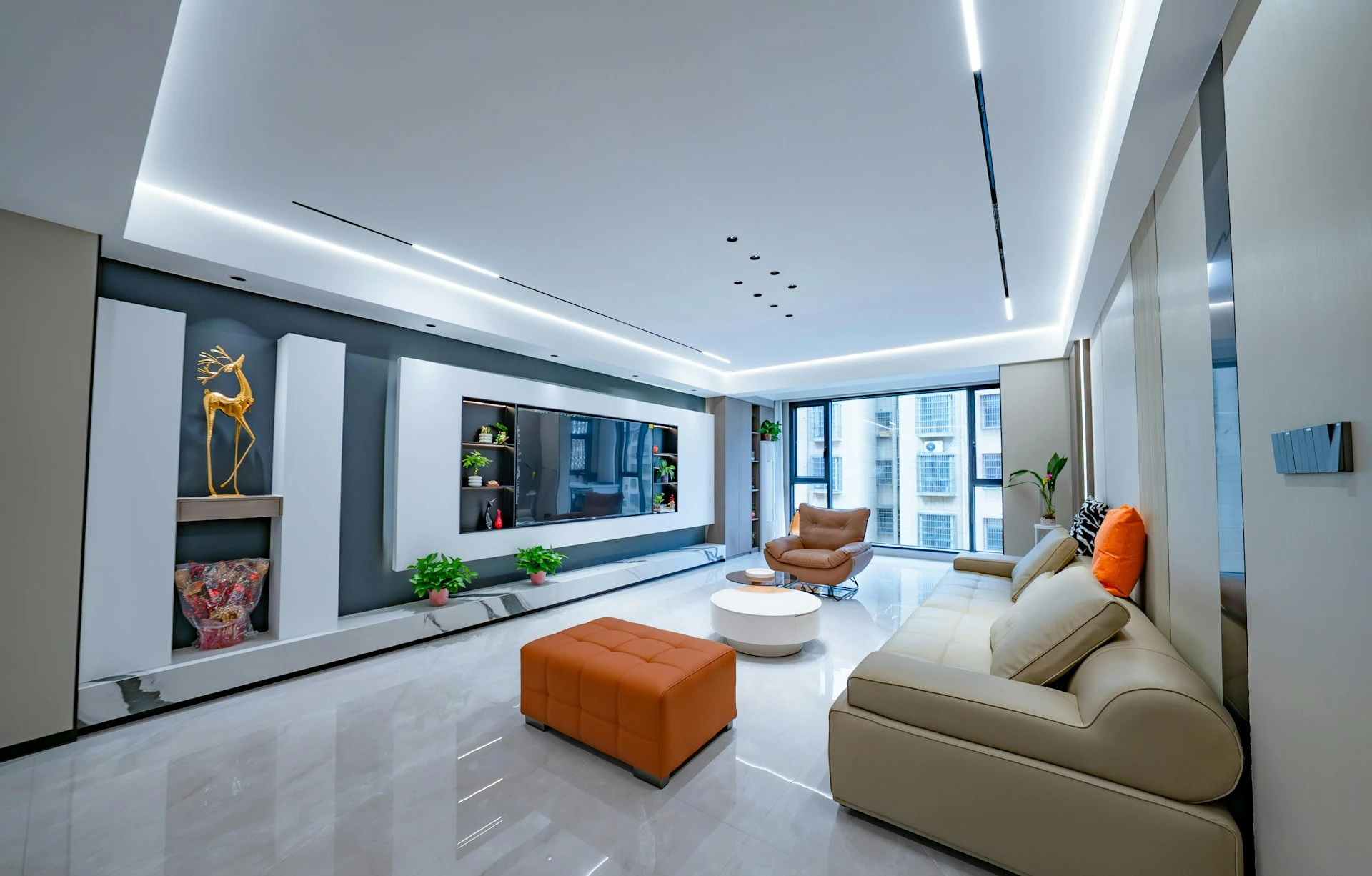
Home decor is about arranging, styling, and personalizing your living space. It includes everything from furniture and colors to lighting, rugs, artwork, and decorative accents. Good home decor should make your home feel comfortable, functional, and inviting.
Creating a stylish home does not require an expensive makeover. Small, thoughtful changes can make a noticeable difference. Rearranging furniture, updating a few accessories, improving lighting, or adding the right colors and textures can refresh a room without replacing everything.
The key is to choose decor that fits your space and reflects how you live. A well-decorated home should look good while still feeling practical and comfortable.
In this guide, you will find practical home decor tips for planning your space, choosing furniture and colors, improving lighting, adding accessories and natural elements, decorating on a budget, and avoiding common decorating mistakes.
Start With a Simple Home Decorating Plan
A simple decorating plan can help you make better choices and avoid unnecessary purchases. Before adding new furniture or accessories, think about how the room works, how much space you have, and the look you want to create.
Think About How You Use the Room
Start by considering what you actually do in the room. A living room used for relaxing and watching TV may need comfortable seating and clear walking space. A dining room may need enough room around the table for people to move easily.
Think about your daily habits, too. If a room needs to serve more than one purpose, choose furniture and decor that can support those needs without making the space feel crowded.
Your home decor should work with your lifestyle. A beautiful room is more useful when it is also comfortable and practical.
Measure Your Space Before Buying Decor
Measure the room before buying furniture, rugs, curtains, or other large decor pieces. Check the available floor space, wall dimensions, doorways, and areas around windows.
Furniture that looks right in a store or online may feel too large once it is inside your home. Taking measurements can help you avoid this problem and create a more balanced layout.
Keep the measurements with you when shopping. You can also mark the approximate size of a piece on the floor with painter’s tape. This gives you a better idea of how much space it will occupy.
Choose a Decorating Style That Fits Your Home
Choose a decorating style that feels natural for your home and personal taste. You might prefer a modern, traditional, minimalist, rustic, or transitional look.
You do not need to follow one style strictly. Combining a few complementary elements can make a room feel more personal and relaxed.
Focus on consistency rather than matching everything. Similar colors, materials, shapes, or textures can help different pieces work together.
The goal is to create a space that feels comfortable and reflects your personality. Start with the overall look you want, then choose furniture, colors, and accessories that support it.
Choose a Color Palette That Works Together
A well-planned color palette can make a room feel more comfortable and balanced. You do not need many colors to create an attractive space. A few shades that work well together are often enough.
Think about the colors already present in your flooring, furniture, cabinets, and larger pieces. Then choose new colors that complement them instead of competing with them.
Start With a Main Color
Choose one main color to guide the room. This could be a neutral shade such as white, beige, gray, or a soft earthy tone. Neutral colors can create a calm background for furniture and decorative accents.
Your main color does not have to cover every surface. You can use it on walls, larger furniture, rugs, or other major elements.
Consider the mood you want to create. Warm colors can make a space feel cozy, while cooler shades can give it a fresh and relaxed look.
Add Accent Colors Carefully
Accent colors can add personality without making a room feel overwhelming. Use them in smaller elements such as pillows, artwork, throws, rugs, or decorative objects.
Choose one or two accent colors that work with your main color. Repeating these shades in different parts of the room can create a more connected look.
You do not need to match every item. Slight variations in color can add depth while keeping the overall home decor cohesive.
Consider the Room’s Lighting
Lighting can change how a color looks throughout the day. Natural light may make some colors appear brighter, while limited daylight can make the same shade feel darker or warmer.
Before committing to a paint color, test a small area and observe it at different times of the day. Consider both natural light and artificial lighting.
Also think about the direction and size of the windows. A room with plenty of natural light can usually handle deeper colors, while a darker room may benefit from lighter shades.
The best color palette is one that works with the room’s lighting, existing features, and overall decorating style.
Arrange Furniture for Comfort and Better Flow
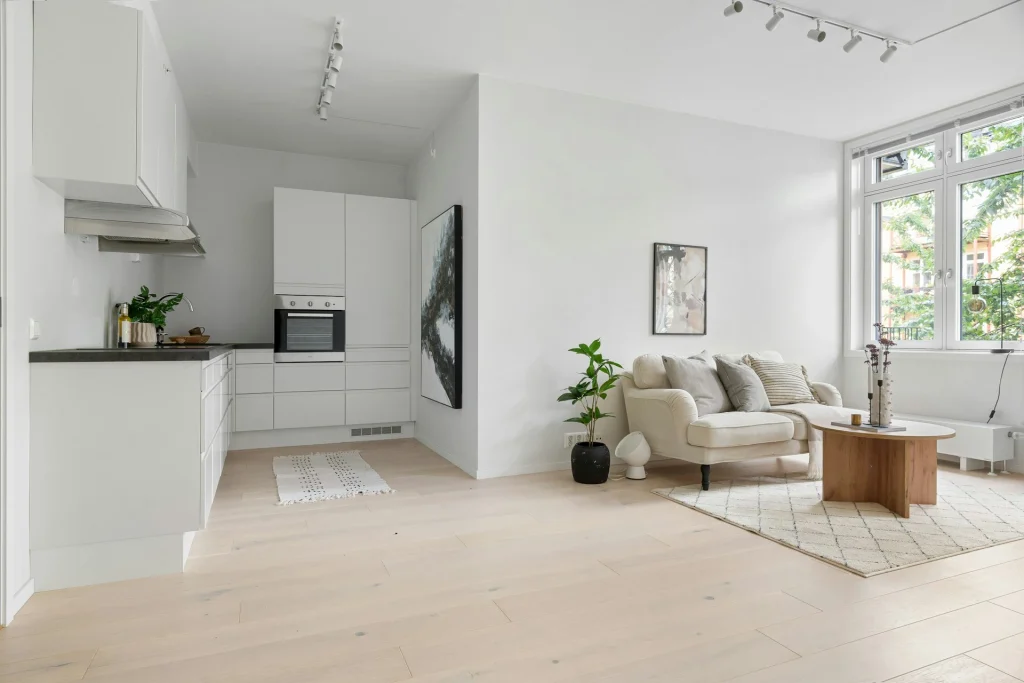
Furniture placement can change how comfortable and spacious a room feels. Focus on creating a layout that supports everyday use while keeping the room easy to move through.
Choose Furniture That Fits the Room
Choose furniture that matches the size and shape of your space. Oversized pieces can make a small room feel crowded, while very small furniture may look out of proportion in a large room.
Before buying a major piece, consider its dimensions, function, and how it will work with your existing decor. For more guidance, see our tips on how to choose the right furniture for your home.
Create Clear Walking Paths
Leave enough space for people to move comfortably around the room. Avoid placing furniture where it blocks doorways, windows, or natural walking paths.
A clear layout makes the room easier to use and can also make it feel more open.
Establish a Focal Point
Give the room a clear focal point. This could be a fireplace, a large window, a piece of artwork, or an entertainment area.
Arrange the main furniture so it naturally supports that feature. This creates a more organized and balanced appearance.
Leave Enough Open Space
Do not try to fill every empty area. Open space helps furniture stand out and keeps the room from feeling crowded.
If the layout feels tight, remove or reposition a piece instead of adding more decor. A comfortable room needs both useful furniture and enough space around it.
Add Rugs to Define and Warm Up Your Space
A rug can add warmth, comfort, and visual balance to a room. It can also help define a seating or sleeping area. The key is choosing the right size and placing it in a way that works with your furniture.
- Choose the right rug size: Measure the area before buying a rug. Choose a size that relates to the furniture and leaves enough room around the main pieces.
- Place rugs correctly in the living room: Position the rug so it connects the main seating area. Ideally, the front legs of the sofa and chairs should rest on the rug.
- Use the right placement in the bedroom: A larger rug can sit under the bed and extend beyond the sides and foot. In smaller bedrooms, runners or smaller rugs can work well beside the bed.
- Coordinate the rug with your furniture: The rug does not need to match your furniture exactly. Choose colors, patterns, and textures that complement the existing pieces.
- Avoid rugs that are too small: A very small rug can make the furniture arrangement feel disconnected. When possible, choose a rug that is large enough to visually bring the main pieces together.
The right rug can make a room feel more finished without adding unnecessary decor.
Use Curtains and Blinds to Complete Your Windows
Curtains and blinds can improve both the look and function of a room. They can add softness, control natural light, and give windows a more finished appearance.
Choose Window Treatments That Suit the Room
Choose window treatments based on the room’s style, light needs, and level of privacy. Curtains can add warmth and texture, while blinds offer a clean and practical look.
Consider the existing colors and furniture before choosing a pattern or fabric. Simple designs often work well when the room already has several decorative elements.
Use Blinds to Control Light and Ambiance
Blinds give you better control over how much natural light enters a room. You can adjust them throughout the day to create a brighter or more relaxed atmosphere.
Different types of window blinds can also provide privacy while complementing your home decor. Choose a style that fits the room and works with the amount of light you want to control.
Consider Window Size and Placement
Consider the size, shape, and position of each window before choosing curtains or blinds. The right window treatment should fit comfortably without blocking useful light or interfering with doors and furniture.
For smaller windows, lighter treatments can help maintain an open feel. Larger windows may benefit from wider curtains or blinds that suit their scale.
The goal is to choose window treatments that look good while supporting the way you use the room.
Layer Your Lighting for a More Inviting Room
Use a mix of lighting sources to create a balanced and comfortable room. Combining ambient, task, and accent lighting gives you better control over brightness and helps different areas serve their purpose.
Use Ambient Lighting
Ambient lighting provides the room’s main light. Ceiling fixtures, recessed lights, chandeliers, and flush-mount lights are common options. Use a dimmer when possible to adjust brightness throughout the day.
Add Task Lighting
Task lighting provides focused light for specific activities. Use table lamps, floor lamps, desk lamps, or under-cabinet lighting near areas used for reading, working, cooking, or other detailed tasks.
Use Accent Lighting
Accent lighting highlights decorative or architectural features. Wall sconces, picture lights, and directional spotlights can draw attention to artwork, shelves, or other focal points.
Avoid Relying on One Light Source
One overhead fixture can leave corners dark and make the room feel flat. Combine different light sources to improve coverage, reduce harsh shadows, and create a warmer, more inviting atmosphere.
Add Texture With Pillows, Throws, and Fabrics
Mixing different fabrics and textures can make a room feel warmer and more layered without adding clutter.
- Mix different textures: Combine materials such as linen, cotton, wool, velvet, and woven fabrics for added depth and visual interest.
- Add pillows: Use pillows in different sizes and textures. Combine solid colors with simple patterns that match the room’s color palette.
- Use throws: Drape a soft throw over a sofa, accent chair, or bed to add comfort and texture.
- Choose suitable curtains: Linen, cotton, and other lightweight fabrics can create a relaxed look, while heavier fabrics can add a more finished feel.
- Consider upholstery: Textured sofas, chairs, and ottomans can add another layer to the room. Balance textured upholstery with smoother fabrics elsewhere.
- Mix patterns carefully: Combine stripes, checks, florals, or geometric designs while keeping a consistent color palette. Use different pattern sizes to prevent the room from feeling too busy.
Decorate Your Walls With Artwork and Mirrors
Artwork and mirrors can add personality, depth, and visual interest to a room. Choose pieces that complement your furniture, colors, and overall home decor style.
Choose Artwork That Fits the Space
- Match the artwork to the room’s size and color palette.
- Use larger pieces on wide walls and smaller pieces in compact areas.
- Choose artwork that adds character without competing with other decor.
Create a Balanced Gallery Wall
- Mix framed artwork, photographs, and simple decorative pieces.
- Keep spacing consistent for a clean look.
- Use a common color or frame style to connect different pieces.
Use Mirrors Thoughtfully
- Place mirrors where they can reflect natural or existing light.
- A large mirror can make a small room feel more open.
- Avoid positioning mirrors where they reflect clutter or an unattractive view.
Avoid Filling Every Empty Wall
Empty wall space can help a room feel calm and balanced. Decorate the walls that need visual interest and leave some areas open. This prevents the room from feeling crowded or overly decorated.
Bring Natural Elements Into Your Home
Natural elements can add warmth and character to your home. Use plants, wood, and natural fabrics to create a comfortable and balanced look.
Add Indoor Plants
- Place plants on shelves, side tables, window areas, or empty corners.
- Choose plants that suit the available light and the room’s conditions.
- Follow proper indoor plant care to keep them healthy and looking their best.
Use Wood and Other Natural Materials
- Add wood through furniture, shelves, frames, or decorative pieces.
- Consider materials such as rattan, bamboo, stone, and ceramic for added character.
- Mix natural materials with your existing furniture for a cohesive look.
Mix Natural Textures
- Combine smooth wood with woven baskets, linen, cotton, or jute.
- Use different textures without adding too many colors or patterns.
- Keep the materials balanced so the room feels warm rather than cluttered.
Refresh Cabinets and Shelving
Small cabinet and shelving updates can give a room a fresh look without replacing the entire setup.
- Update cabinet hardware: Replace outdated knobs and pulls with simple hardware that matches the room’s style and finish.
- Refresh the finish: A fresh coat of paint or a suitable finish can change the appearance of cabinets. Prepare the surface properly before applying any new finish.
- Style open shelves: Combine books, plants, framed artwork, and a few decorative pieces. Vary the height and size of items to create a balanced display.
- Keep displays functional: Leave space for items you use regularly. Store everyday essentials where they are easy to reach.
- Avoid overcrowded shelves: Too many objects can make shelves look cluttered. Leave some open space so each selected piece has room to stand out.
Add Personal Touches Without Creating Clutter
Personal items can make a room feel more welcoming and reflect your style. Choose a few meaningful pieces instead of filling every surface.
Display Meaningful Photos
- Use a few favorite family, travel, or special occasion photos.
- Choose frames that complement your existing decor.
- Group smaller photos together instead of spreading them across every wall or surface.
Showcase Favorite Objects
- Display books, artwork, souvenirs, or other items that have personal meaning.
- Mix personal pieces with your existing home decor for a natural look.
- Keep only items that add value or visual interest to the space.
Leave Some Empty Space
- Avoid filling every shelf, table, and wall.
- Open space helps the room feel calm and organized.
- If an area feels crowded, declutter your home by removing items you no longer need or use.
Simple Home Decor Updates That Don’t Require New Furniture
You can refresh a room without buying new furniture. Try these simple updates:
- Rearrange furniture: Change the layout to improve the flow and make better use of the space.
- Change pillow covers: Swap colors, patterns, or textures to give sofas and chairs a fresh look.
- Add or move a rug: A new rug placement can define an area and change the feel of the room.
- Update lighting: Replace outdated bulbs or move lamps to improve light and ambiance.
- Rearrange artwork: Move framed art or photos to create a new focal point.
- Refresh shelves: Rearrange books and decor, and remove pieces that no longer fit the space.
- Add plants: Use indoor plants to bring color and a natural touch to the room.
- Change curtains or blinds: Updated window treatments can quickly change the room’s overall appearance.
- Remove unnecessary decor: Take away items that create visual clutter and leave more open space.
Budget-Friendly Home Decor Ideas
You can refresh your home decor without a large budget. Focus on simple changes that make a visible difference.
Shop Your Own Home
Move decor, lamps, artwork, and accessories between rooms. Items you already own can look completely different in a new setting.
Make Small Decorative Changes
Update pillow covers, curtains, cabinet hardware, or small accessories instead of replacing larger pieces. These simple changes can give a room a refreshed look at a lower cost.
Choose Versatile Pieces
Choose decor that can work in different rooms or with different styles. This makes it easier to update your space without buying new items often.
Focus on High-Impact Changes
Start with areas that are most visible, such as lighting, wall decor, rugs, or window treatments. A few well-chosen updates can make a noticeable difference.
Common Home Decor Mistakes to Avoid
Common home decor mistakes often come from poor furniture sizing, unbalanced layouts, inadequate lighting, and too much clutter. Avoiding these problems can make a room feel more comfortable and visually balanced.
- Buying furniture without measuring: Measure the room, doorways, and available floor space before buying furniture.
- Choosing rugs that are too small: Select a rug that fits the seating area and helps connect the furniture.
- Using too many matching pieces: Mix complementary colors, materials, and styles to create a more natural look.
- Ignoring lighting: Use a combination of ambient, task, and accent lighting instead of relying on one fixture.
- Filling every surface: Leave some open space on tables, shelves, and other surfaces to prevent visual clutter.
- Mixing too many unrelated styles: Choose a consistent design direction and add a few contrasting pieces for interest.
- Blocking windows or walkways: Keep windows clear when possible and leave enough space for comfortable movement.
- Ignoring room proportions: Choose furniture and decor that suit the size and layout of the room.
How to Make Your Home Look Stylish Without Overdoing It
A stylish home does not need to be filled with decor. Focus on a balanced mix of furniture, colors, textures, and personal pieces. The goal is to create a space that feels finished without looking crowded.
- Balance: Spread colors, furniture, and decor across the room. If one side has a large piece of furniture, balance it with visual interest on the other side.
- Scale: Choose decor and furniture that fit the size of the room. A small table can look lost beside an oversized sofa, while large decor may overwhelm a small space.
- Proportion: Make sure pieces work well together. For example, choose a coffee table that suits the size of your sofa and leaves enough room to move around it.
- Contrast: Add interest by combining light and dark colors or smooth and textured materials. A neutral room can benefit from a few darker accents.
- Texture: Mix materials such as wood, linen, wool, and woven fabrics. This adds depth without requiring more color or decoration.
- Repetition: Repeat a color, material, or shape in a few places. For example, matching the color of a pillow with artwork can help connect the room.
- Negative space: Leave some areas open. Empty space around furniture and decor helps the room feel organized rather than overcrowded.
- Personal style: Include pieces that reflect your taste and experiences. A few meaningful items can make the room feel personal without adding unnecessary clutter.
Quick Home Decor Tips for Different Rooms
Each room has different needs, so focus on a few simple decor updates that improve both style and function.
Living Room
- Choose furniture that fits the room and allows easy movement.
- Use a properly sized rug to define the seating area.
- Layer lighting with ceiling lights, lamps, and accent lighting.
- Add artwork, pillows, throws, and a few accessories for personality.
Bedroom
- Choose comfortable bedding that suits the room’s color scheme.
- Use bedside or accent lighting for a warm and practical setup.
- Add curtains for privacy and light control.
- Include soft textures such as rugs, throws, and cushions.
Dining Room
- Choose a dining table that fits the space and seating needs.
- Use a suitable light fixture above the table as a focal point.
- Keep the centerpiece simple and easy to move when needed.
- Add artwork or a mirror to give the walls more visual interest.
Entryway
- Add a mirror to make the space feel brighter and more open.
- Use practical storage for shoes, bags, and everyday items.
- Choose lighting that provides enough brightness without feeling harsh.
- Keep decoration minimal to maintain a clean and welcoming entryway.
Frequently Asked Questions About Home Decor
What are the best home decor tips for beginners?
Start with a simple color scheme, suitable furniture, good lighting, and a few well-chosen accessories.
How can I make my home look better without spending a lot?
Rearrange furniture, update textiles, refresh lighting, and move existing decor to different spaces.
How do I choose a color scheme for my home?
Choose a base color you like, then add one or two complementary colors for balance.
How can I make my home look stylish without clutter?
Use fewer decorative pieces and leave some open space around furniture, shelves, and accessories.
How can I update my home without buying new furniture?
Rearrange your furniture, change pillow covers and curtains, update lighting, and refresh wall decor.
Conclusion: Home Decor Tips
Good home decor does not have to be expensive or complicated. Start with the basics: improve your layout, choose a suitable color palette, select furniture that fits your space, and use effective lighting. Then add rugs, textiles, artwork, and personal touches that reflect your style.
Avoid overcrowding your rooms and choose decor based on your space, needs, and lifestyle. Small, thoughtful changes can make your home feel more comfortable, organized, and inviting. For more practical ideas, explore other Home & Living guides from Well Hint.

