

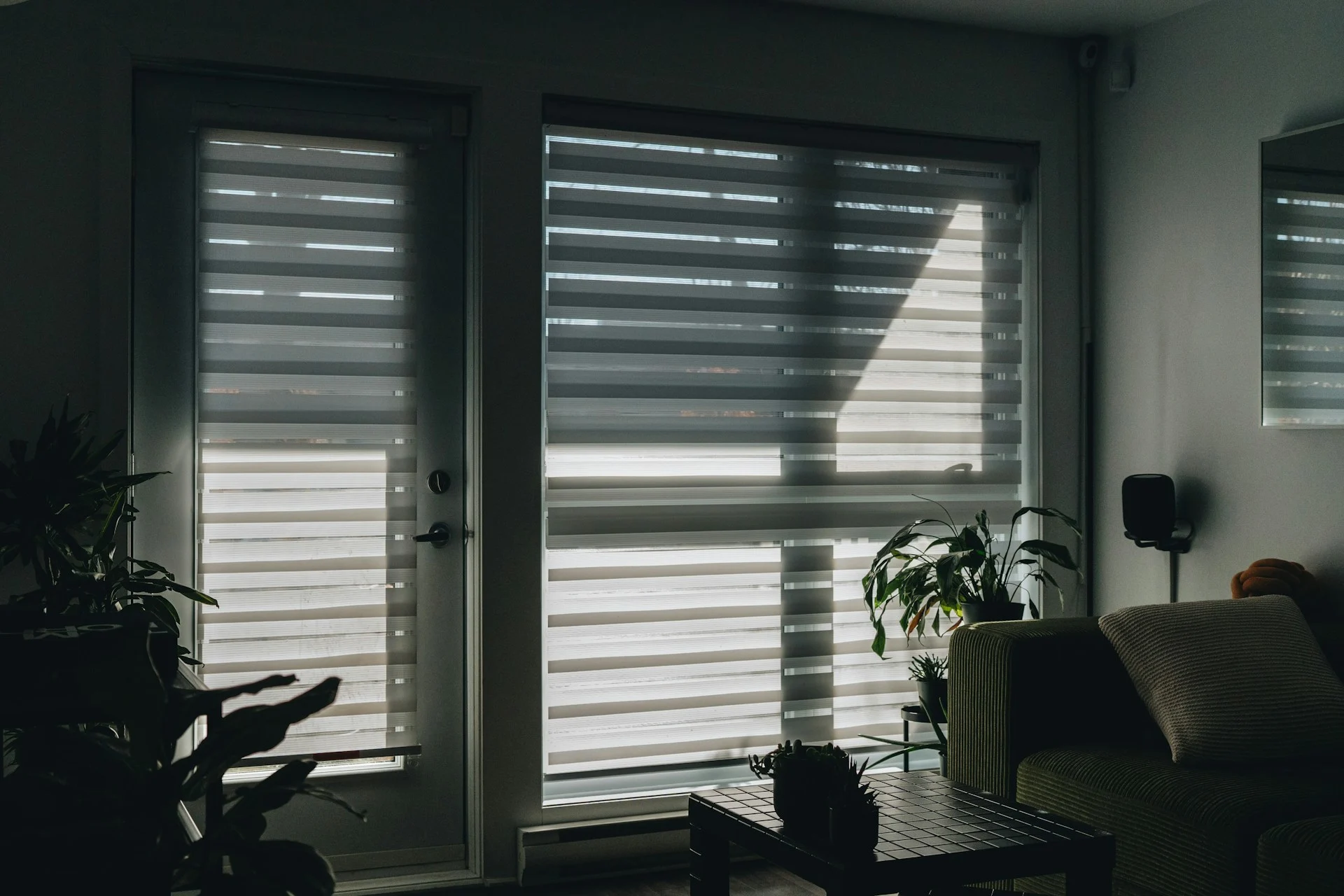
Home window tinting involves applying a thin film to the glass of residential windows. Homeowners may use window film to improve privacy, reduce glare, limit sunlight, or help control solar heat inside the home.
However, window tinting is not right for every home or window. The film can affect natural light, appearance, installation costs, and window compatibility. Understanding these potential drawbacks can help you make a more informed decision before installation.
This guide covers 7 disadvantages of home window tinting and what to consider before installing window film.
What Is Home Window Tinting?
Home window tinting is the process of applying a thin window film to residential glass. The film is usually installed on the inside surface of a window and is designed for specific purposes, such as improving privacy, reducing glare, or controlling sunlight and solar heat.
The installation starts with cleaning the glass and preparing the surface. The film is then carefully measured, cut, and applied to the window using an appropriate installation solution. It is smoothed onto the glass to create an even finish.
Window films come in different shades and types. Some are designed mainly for privacy, while others focus on reducing glare, limiting sunlight, or managing solar heat. Choosing the right film depends on your windows, the amount of natural light you want, and your main reason for installing it.
1. High Upfront Costs for Professional Installation
One of the main disadvantages of home window tinting is the upfront cost. You pay for both the window film and the installation. Professional installation can cost more than applying the film yourself, but it may provide a cleaner and more consistent finish.
The total cost depends on several factors, including the number and size of your windows, the type and quality of the film, the condition of the glass, and the complexity of the installation. Larger or more numerous windows may require more materials and labor.
The cheapest option may not always be the best choice. Poor-quality film or improper installation can lead to bubbles, peeling, uneven edges, or premature replacement. Before hiring an installer, compare the film quality, experience, warranty, and overall service rather than price alone.
2. Potential Reduction in Natural Light
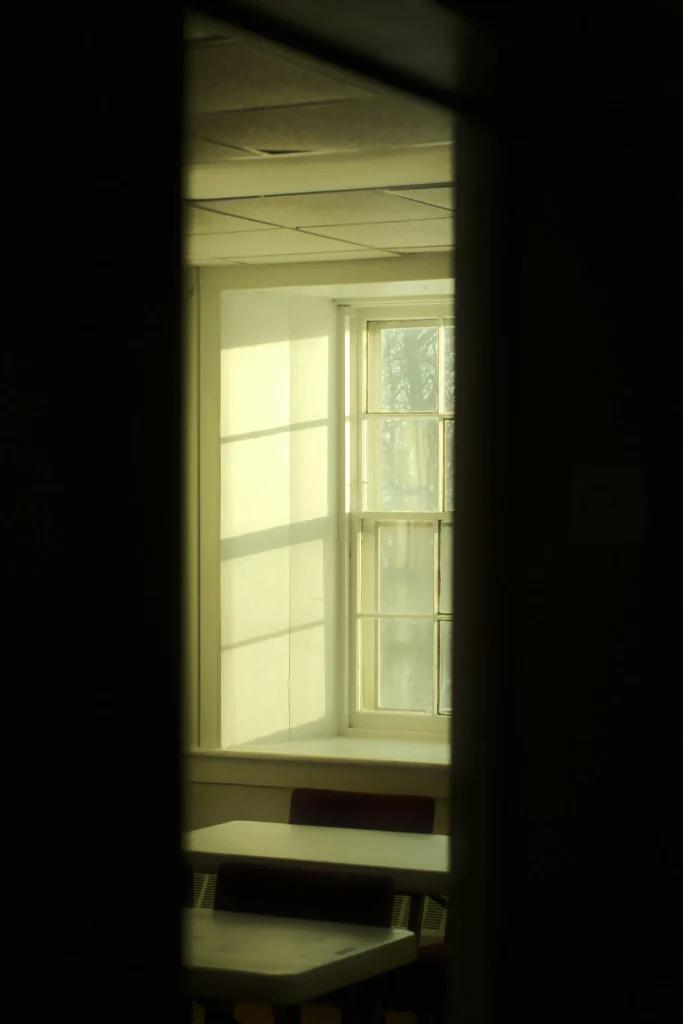
Window tinting can reduce the amount of visible light that enters your home. This is more noticeable with darker films. A room that gets plenty of sunlight may feel darker after installation.
The amount of light reduction depends on the film’s shade and visible light transmittance (VLT). Lower VLT means less visible light passes through the glass.
When choosing a window film, consider how much natural light and daylighting you want to keep. A lighter film may provide privacy or solar control without making the room feel too dark. The best option depends on the room, window location, and your privacy needs.
3. Changes to Your Windows’ Appearance
Window film can change the appearance of your windows from both inside and outside. Tinted, frosted, and reflective films each create a different look.
A reflective film may give windows a more noticeable exterior appearance. This may not match every home’s style or the look of your existing windows. For more ideas on creating a cohesive interior, see our home decor tips.
Before installation, ask to see a film sample on a similar window if possible. This can help you understand how the film may look in different lighting conditions before making a final choice.
4. Installation Quality Can Affect Results
The quality of installation can have a noticeable effect on the final appearance of window film. Poor application may leave bubbles, wrinkles, peeling edges, or uneven areas.
Large windows, unusual shapes, and hard-to-reach glass can make installation more difficult. Consider professional installation for multiple windows or complex glass.
If you hire an installer, ask about their experience with residential window film. Installation should also follow the manufacturer’s instructions to help achieve a clean and lasting result.
5. Limited Lifespan and Eventual Replacement
Window film is not always a permanent solution. Its lifespan can vary depending on the film quality, installation, sunlight exposure, and condition of the window.
Over time, some films may show signs of aging, such as fading, discoloration, bubbling, or peeling. When the film reaches the end of its useful life, it may need to be removed and replaced.
Before choosing a product, check the manufacturer’s information about expected lifespan and warranty coverage. This gives you a better idea of the long-term maintenance involved.
6. Potential Warranty Concerns
Adding window film to existing glass can raise warranty questions. Some window manufacturers have specific requirements or recommendations for aftermarket films.
Before installation, review your existing window warranty and check the manufacturer’s guidance. You can also ask the film manufacturer or installer whether the selected product is suitable for your type of window.
Installing window tint does not automatically void every window warranty. Warranty terms vary by manufacturer, window type, and film product. Checking the warranty before installation can help you avoid unexpected issues later.
7. Not Every Window Is Suitable for Tinting
Not every window is suitable for every type of window film. The glass type, window construction, and film specifications should be checked before installation.
This is especially important with double-pane or insulated glass windows. Some films can increase solar heat absorption, which may create thermal stress with certain glass and film combinations. In some cases, this may increase the risk of glass breakage.
Before choosing a film, check its compatibility with your windows. The film manufacturer or a qualified window film professional can help determine whether a particular product is appropriate for your glass.
For older windows, specialty glass, or insulated glass units, checking compatibility before installation is especially important.
What to Consider Before Installing Home Window Tint
Before installing home window tint, consider how you want the film to perform and how it will look on your windows. The right choice depends on your home’s needs, window type, and expected results.
Use this checklist before choosing a window film:
- Your main reason for installing it: Decide whether your priority is privacy, glare reduction, sunlight control, or solar heat management.
- Privacy level: Choose a film that provides the level of privacy you need without making the room unnecessarily dark.
- Natural light: Consider how much daylight you want to keep. Darker films can reduce visible light.
- Film appearance: Check whether a tinted, frosted, or reflective finish suits both your interior and exterior.
- Window and glass type: Identify your window construction and glass type before selecting a film.
- Film compatibility: Make sure the product is suitable for your specific glass and window system.
- Installation quality: Look for an experienced installer if you are not confident about applying the film yourself.
- Warranty requirements: Review your existing window warranty and the film manufacturer’s warranty before installation.
- Expected lifespan: Check how long the manufacturer expects the film to last under normal conditions.
- Maintenance and replacement: Understand how the film should be maintained and what may be involved if it needs to be replaced.
Considering these factors can help you choose a window film that fits your needs and reduce the risk of problems after installation. If you are also improving your home’s outdoor areas, explore these outdoor living space ideas for simple ways to make them more comfortable.
Frequently Asked Questions
What is the biggest disadvantage of home window tinting?
The biggest drawback depends on your needs. Common concerns include upfront cost, changes in appearance, and reduced natural light with darker films.
Does window tint reduce natural light?
Yes. Darker window films can reduce the amount of visible light entering a room.
How long does home window tint last?
It varies by film quality, installation, sunlight exposure, and window conditions. Check the manufacturer’s expected lifespan for the specific product.
Can window tint cause windows to crack?
Certain film and glass combinations may increase thermal stress and the risk of glass breakage. Check film compatibility before installation.
Can window tint affect a window warranty?
It depends on the window manufacturer, film, and warranty terms. Review your window warranty before installing aftermarket film.
Final Thoughts: Disadvantages of Home Window Tinting
Home window tinting can improve privacy, reduce glare, and help manage sunlight, but it also has potential drawbacks. These include upfront costs, reduced natural light, changes in appearance, installation quality, limited lifespan, warranty considerations, and window compatibility.
Choosing the right film for your home is important. Check its compatibility with your glass, review the warranty, and consider installation quality before choosing a product.
Your privacy needs, natural light preferences, budget, and window type should also guide your decision. This can help you choose an option that suits your home and reduce the risk of problems later.

