

A cold home can be uncomfortable, especially when you are already running the heat and still feeling a chill. If you’re wondering how to keep your home warm in winter, start by checking the simple things that may be letting heat escape.
Cold air often comes through drafty windows and doors, while cold floors, blocked vents, or uneven airflow can make certain rooms feel colder than others. Before turning up the thermostat, try a few simple changes that can make your home feel warmer and more comfortable.
What Makes Your Home Feel Cold in Winter?
If the heat is running but your home still feels cold, the thermostat is not necessarily the problem. Drafts around windows, doors, and other openings can let cold air in and warm air escape, while inadequate insulation can make it harder to maintain a comfortable indoor temperature. Cold floors can make a room feel chilly too, especially in homes with tile or hardwood flooring.
Poor air circulation can leave some rooms warmer than others. You may also notice cold rooms when vents are blocked, or the heating system is not working properly. Before making changes, try to figure out where the cold is coming from. A drafty window needs a different fix than poor insulation or weak airflow.
7 Simple Ways to Keep Your Home Warm
1. Seal Drafts Around Windows and Doors
A noticeable draft around a window or door can make an otherwise warm room feel uncomfortable. Windows and doors are common places to check, especially if you notice a chilly spot near a frame or along the bottom of a door.
On a cold day, slowly run your hand around window frames, exterior doors, and other likely trouble spots. If you can feel cold air moving in, you’ve found a good place to start. A few simple fixes can help reduce unwanted airflow:
- Check window and door frames for noticeable gaps.
- Use weatherstripping around suitable doors and windows.
- Add a door sweep to help limit airflow under an exterior door.
- Use caulk to seal appropriate stationary gaps around window frames.
Start with these easy fixes before moving on to larger insulation or heating improvements.
2. Set Your Thermostat to a Comfortable Temperature
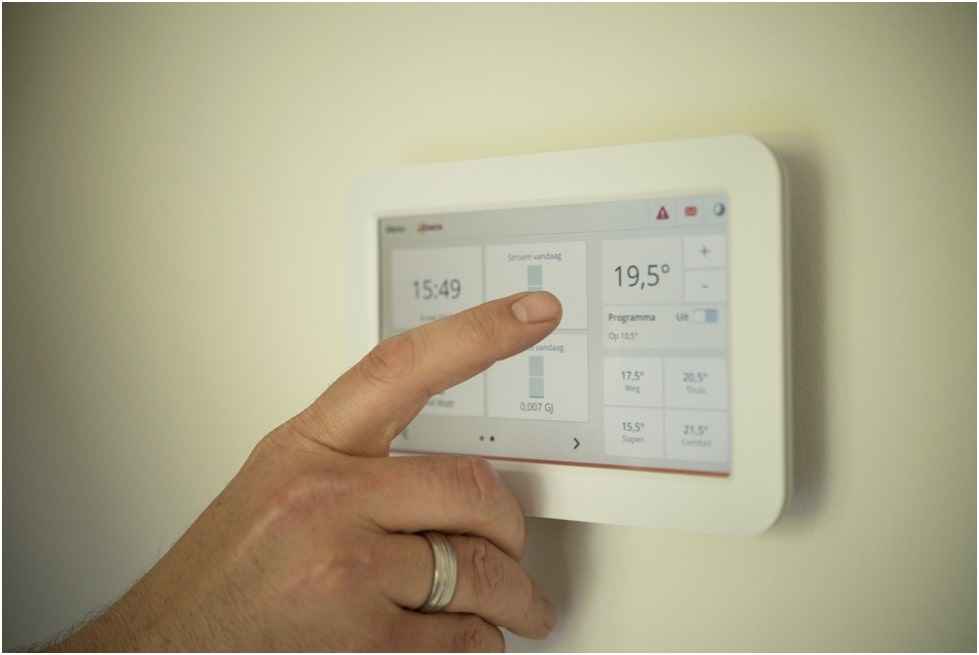
Set the thermostat to a temperature that feels comfortable rather than turning it up simply because the room feels cold. Setting it much higher than you need can make the heating system run longer without necessarily warming your home faster.
Choose a temperature that feels comfortable for your household and adjust it as your routine changes. For example, you may prefer a different setting while sleeping or when the home is empty. A programmable or smart thermostat can make these temperature changes easier to manage.
If the thermostat says the house has reached the set temperature but one room is still cold, turning the thermostat higher may not fix it. Check that room for drafts, blocked vents, or poor airflow first.
3. Use Curtains to Help Keep Rooms Comfortable
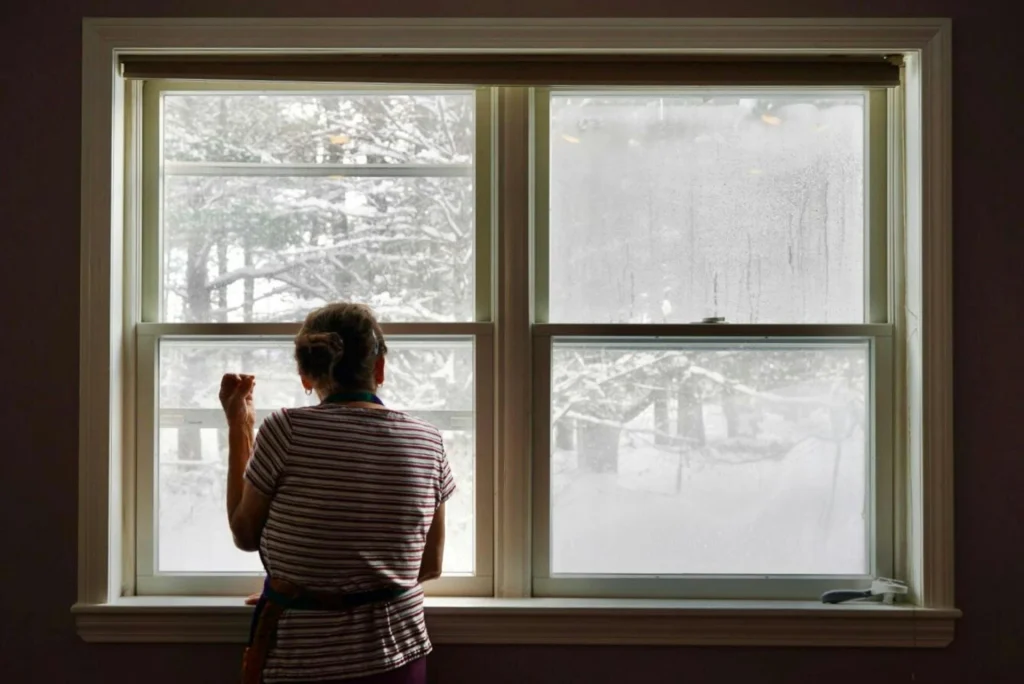
Windows often feel much colder after sunset, especially on windy or very cold nights. Closing the curtains at night adds another layer between the room and the cold window surface.
Use your curtains according to the weather and time of day. During the day, opening them can allow sunlight into rooms where it provides natural warmth. After dark, closing them can create an extra barrier around the windows.
A few simple habits can help:
- Close curtains after sunset.
- Open them during sunny parts of the day when appropriate.
- Choose curtains that fit the window reasonably well.
Curtains are not a replacement for proper insulation or draft sealing, but they can be a useful addition during the colder months.
4. Use a Space Heater Safely in the Room You Use Most
If you are spending most of your evening in one room, a space heater can provide targeted warmth without heating the entire house. Its usefulness depends on the room size, your main heating system, and how long you plan to use it.
Portable heaters are convenient, but they need extra care because placing one too close to furniture, bedding, or curtains can create a fire hazard. Always place the heater where it can operate safely and follow the manufacturer’s instructions.
- Place the heater on a stable, level surface.
- Keep it away from curtains, bedding, furniture, and other combustible materials.
- Do not cover the heater while it is operating.
- Follow the manufacturer’s safety and operating instructions.
- Keep children and pets away from the heater.
- Never leave a portable heater unattended.
5. Add Rugs and Warm Textiles to Cold Floors
A room can be warm enough according to the thermostat and still feel chilly if the floor is cold under your feet. Adding an area rug can make hardwood, tile, or other hard flooring feel warmer underfoot and make the room feel more inviting.
Rugs can work well in bedrooms, living rooms, dining areas, and other frequently used spaces. You can also keep blankets or throws nearby for extra comfort. Materials such as wool and fleece can provide a warm, cozy feel during colder weather.
A rug won’t raise the room temperature, but it can make a cold floor much more comfortable, especially in bedrooms and living areas. It’s an easy change that can make a room feel noticeably cozier.
6. Keep Your Heating System Working Properly
If you have sealed obvious drafts and the house is still cold, check whether the heating system is actually delivering enough warm air. For example, if one bedroom stays cold while the rest of the house feels comfortable, check whether its vent is blocked or airflow feels unusually weak. A few basic checks can sometimes reveal why a room isn’t getting enough heat.
Start with basic things you can safely check around the home:
- Keep heating vents and registers clear of furniture and other objects.
- Check or replace filters according to the manufacturer’s instructions.
- Make sure warm air can circulate freely through the rooms.
- Pay attention to unusual noises or inconsistent heating.
Regular maintenance can also help catch problems before they affect comfort throughout the house. If your heating system continues to have problems or cannot maintain a comfortable indoor temperature, consider having it checked by a qualified HVAC professional. To ensure your equipment runs all season efficiently, you can check out official ENERGY STAR heating and cooling guidelines for optimal system maintenance.
7. Close Interior Doors to Unused Rooms When Appropriate
If you are spending most of your time in a few rooms, keeping the doors to rarely used rooms closed may help keep the rooms you use most comfortable.
However, avoid making changes to heating vents or registers without considering how your particular HVAC system is designed to operate. Blocking or closing vents may affect airflow in some systems.
Instead, keep interior doors closed where appropriate and make sure heating vents remain unobstructed. If you are unsure how your heating system should be adjusted, follow the manufacturer’s guidance or ask a qualified HVAC professional.
Quick fixes for a cold room:
- Close curtains once the sun goes down.
- Check the bottom of exterior doors for drafts.
- Move chairs or sofas away from noticeably drafty windows.
- Make sure furniture is not blocking a heating vent.
- Put a rug over a cold hard floor.
- Keep a blanket nearby if you’re spending several hours in the room.
When Your Home Still Feels Cold
If you have tried the basic fixes and the house is still cold, don’t keep turning up the thermostat. Look for signs that a specific problem is causing the heat loss. For deeper insights on keeping your system running smoothly and avoiding common pitfalls, you can check out our detailed guides on regular HVAC maintenance and residential HVAC maintenance errors. Pay attention to changes in airflow, cold rooms, and how well your heating system maintains the indoor temperature.
Some signs that your home heating system may need attention include:
- One room stays much colder than the others.
- The heating system struggles to maintain the thermostat setting.
- Airflow from vents seems weak.
- You notice persistent drafts around windows or doors.
- The system makes unusual noises while running.
- Some areas receive little or no warm air.
None of these signs identifies the problem by itself, but they can help narrow down where to look. If the problem persists, an HVAC technician can check the system, airflow, and other components to find the cause.
Frequently Asked Questions: How to Keep Your Home Warm?
How can I keep my home warm in winter?
Start with the easiest sources of heat loss. Check for drafts around exterior doors and windows, keep heating vents unobstructed, close curtains at night, and use rugs in rooms with cold hard floors. If one room remains cold, look for an airflow or insulation problem rather than automatically raising the thermostat.
How do I stop cold air from coming through my windows?
Check for gaps and use suitable weatherstripping or caulk. Curtains can also help reduce the cold feel around windows.
Does a space heater help keep a room warm?
Yes, a space heater can provide extra warmth in a specific room. Always use it safely and follow the manufacturer’s instructions.
Should I close doors to unused rooms in winter?
Closing interior doors can sometimes help keep occupied areas comfortable. Do not block or close heating vents unless recommended for your HVAC system.
Why is my home still cold when the heat is on?
Check for drafts, weak airflow, thermostat settings, insulation, and heating-system performance. Persistent problems may need professional inspection.
Keep Your Home Warm This Winter
A warmer home often starts with a few simple checks rather than a higher thermostat setting. Seal obvious drafts, keep warm air moving freely, use curtains and rugs where they make a difference, and pay attention to rooms that stay unusually cold.
If your home still feels unusually cold after these simple steps, check for persistent drafts, weak airflow, or heating-system issues. Addressing these problems can help your home stay more comfortable throughout the colder months.

