

Regular HVAC maintenance helps keep your heating and cooling system working properly throughout the year. A well-maintained system can run more efficiently, provide more consistent comfort, and reduce the risk of unexpected problems.
HVAC equipment works hard during periods of heavy heating and cooling. Over time, filters can become dirty, airflow can become restricted, and system components can wear down. Routine maintenance helps identify these issues before they turn into more expensive repairs. To avoid common maintenance mistakes, see our guide to residential HVAC maintenance errors.
Regular service can also help extend the life of your HVAC system and maintain its performance. In this guide, you will learn about the benefits of HVAC maintenance, what professional service includes, how often to schedule it, common signs that your system needs attention, typical cost factors, and what you can safely do yourself.
What Are the Key Benefits of Regular HVAC Maintenance?
Regular HVAC maintenance helps keep a heating and cooling system in good working condition. It can support reliable performance, improve efficiency, and help homeowners avoid problems that may become more expensive over time.
Extend the Lifespan of Your System
Routine maintenance helps reduce unnecessary wear on important HVAC components. A technician can inspect the system, identify worn parts, and address minor issues before they cause larger problems.
Keeping the air filter clean and maintaining proper airflow can also reduce the strain on the system. Good maintenance practices may help your equipment perform reliably for more years.
Lower Energy Bills Through Better Efficiency
A system with dirty filters, restricted airflow, or neglected components may have to work harder to heat or cool your home. This can increase energy use and make the system less efficient.
Regular maintenance helps keep key components clean and the system operating as intended. While maintenance cannot guarantee a specific reduction in energy bills, an efficient HVAC system can help avoid unnecessary energy consumption.
Prevent Costly Emergency Repairs
Small HVAC problems can become more serious when they are ignored. Routine service gives a qualified technician an opportunity to find signs of wear, loose connections, airflow problems, or other issues early.
Fixing a minor problem during scheduled maintenance may help reduce the chance of an unexpected breakdown. It can also make repair costs easier to manage.
Improve Airflow and Indoor Comfort
Proper airflow is important for effective heating and cooling. A dirty filter, blocked vent, or airflow restriction can make it harder for the system to distribute conditioned air throughout the home.
Regular maintenance helps keep filters, airflow paths, and key system components in good condition. This can help the system deliver more reliable heating and cooling from room to room.
Maintain Consistent Indoor Temperatures
An HVAC system that is properly maintained can respond more reliably to thermostat settings. Neglected equipment may struggle to maintain the desired temperature, especially during periods of heavy use.
Regular inspections and service can help identify problems that affect heating and cooling performance. This can make it easier to maintain a comfortable and consistent indoor temperature throughout the year.
What Does Professional HVAC Maintenance Include?
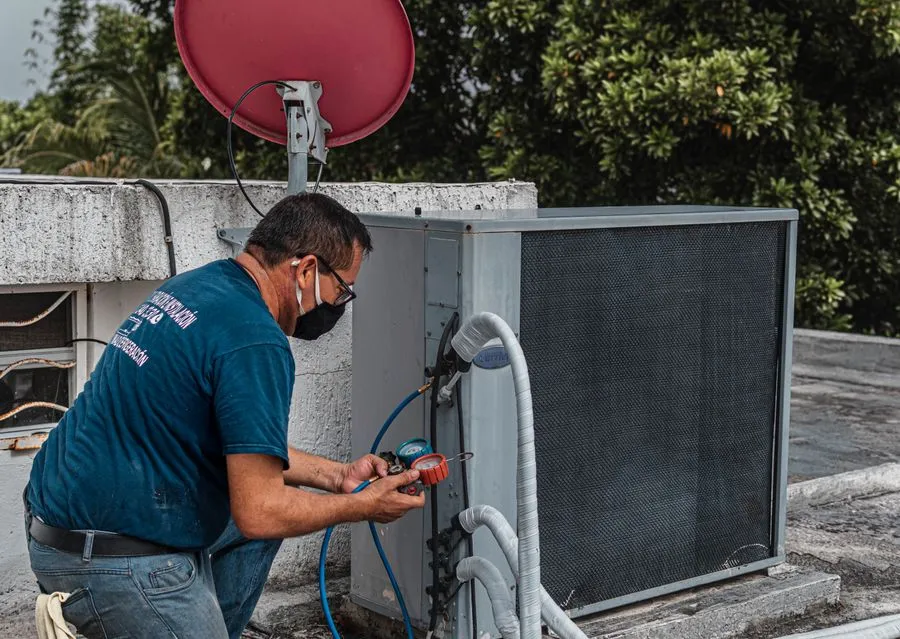
Professional HVAC maintenance involves a detailed inspection of the heating and cooling system. A qualified HVAC technician checks key components, looks for signs of wear, and tests the system to make sure it is operating as intended.
Air Filter and Airflow System Checks
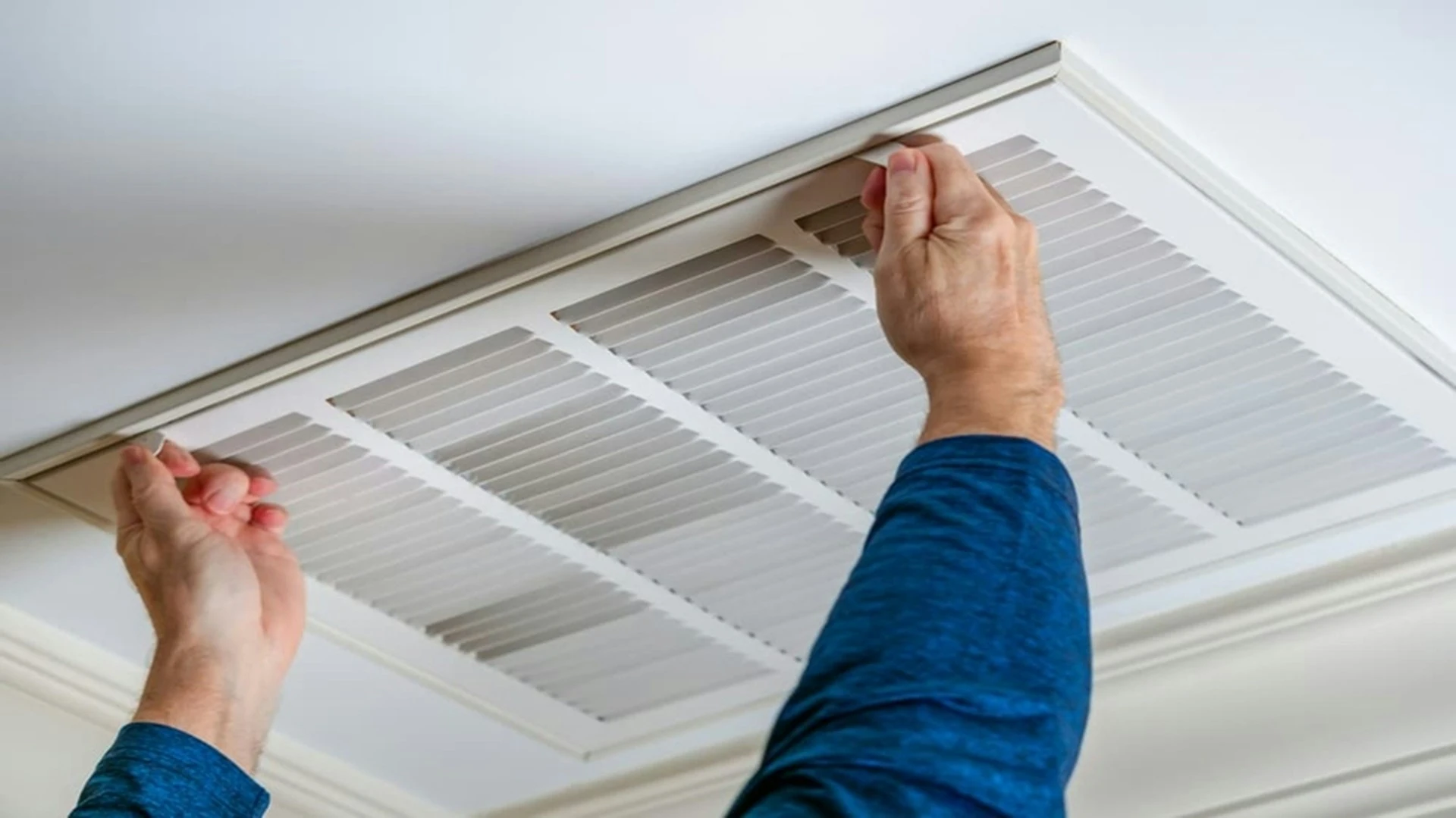
The technician checks the air filter and replaces it when necessary. A dirty filter can restrict airflow and make the system work harder.
The technician may also inspect vents, registers, ductwork, and other airflow paths. These checks can help identify blockages or restrictions that affect heating and cooling performance.
Cleaning Evaporator and Condenser Coils
Evaporator and condenser coils can collect dirt over time. Dirty coils can reduce heat transfer and make the system work harder.
During professional maintenance, the technician checks the coils and cleans them when needed. Keeping these components clean can help maintain proper system performance and efficiency.
Inspecting Electrical Components and Thermostats
Electrical connections and other components are inspected for signs of wear or damage. The technician may also check safety controls and other electrical parts that affect system operation.
The thermostat is tested to make sure it is communicating properly with the HVAC system. If the thermostat is not working correctly, it can affect temperature control and overall performance.
Checking Refrigerant and Condensate Drainage
For systems that use refrigerant, a technician can check the system for signs of leaks or abnormal refrigerant conditions. Refrigerant work should be handled by a qualified professional.
The condensate drain is also inspected for clogs or drainage problems. A blocked drain can interfere with normal air conditioning operation and may cause water to collect where it should not.
Overall System Diagnostics and Performance Testing
After inspecting the main components, the technician can test the HVAC system during operation. This may include checking temperature performance, airflow, system cycling, and other operating conditions.
A professional inspection can help identify developing problems before they lead to a major breakdown. Any repair or adjustment should be explained to the homeowner before additional work is performed.
How Often Should You Schedule HVAC Maintenance?
Most homeowners should schedule professional HVAC maintenance at least once a year. If a home has separate heating and cooling systems, servicing each system before its main season can be a practical approach. For a detailed maintenance checklist, homeowners can also refer to the ENERGY STAR maintenance checklist.
The best schedule can vary based on the equipment, how often it is used, its age, and the manufacturer’s recommendations. Regular service can help keep the system ready for periods of heavy use.
Spring Air Conditioning Tune-Up
Spring is a good time to have an air conditioning system inspected before hot weather arrives. A technician can check the cooling system, airflow, electrical components, coils, condensate drain, and overall operation.
Scheduling service before the cooling season also gives you time to address problems before the system is working at full capacity. This can help reduce the risk of an unexpected breakdown during very hot weather.
Fall Heating System Tune-Up
Fall is a practical time to schedule heating system maintenance before colder weather begins. The technician can inspect the furnace or other heating equipment and check important components for proper operation.
Early service can help identify worn or faulty parts before the heating system is needed regularly. For additional ways to prepare your home for colder weather, see our guide to home heating tips. It also gives homeowners an opportunity to address maintenance issues before the coldest part of the year.
Do Older Systems Need More Frequent Service?
Older HVAC systems may benefit from closer attention, especially if they have a history of breakdowns or declining performance. Wear can affect components over time, and older equipment may require more frequent repairs.
However, age alone does not determine the right maintenance schedule. Follow the manufacturer’s recommendations and consider the system’s condition, usage, repair history, and performance. A qualified HVAC technician can also recommend an appropriate service schedule based on the equipment.
Signs Your HVAC System Needs Maintenance
HVAC systems often show signs of performance problems before they stop working completely. Paying attention to these changes can help you arrange maintenance before a small issue becomes a larger repair.
Unexpected Increases in Energy Bills
A sudden increase in heating or cooling costs can be a sign that your HVAC system is not operating as efficiently as it should. Dirty filters, restricted airflow, worn components, or other system problems can cause the equipment to work harder.
Energy prices and seasonal weather can also affect your utility bills. If your usage has stayed similar but your heating or cooling costs have increased without an obvious reason, it may be worth having the system inspected.
Weak, Uneven, or Insufficient Airflow
Weak airflow from vents can indicate a dirty air filter, blocked ductwork, a blower problem, or another airflow restriction. You may also notice that some rooms receive less conditioned air than others.
Replacing a dirty filter may solve a simple airflow problem. If airflow remains weak or uneven after basic maintenance, a qualified HVAC technician should inspect the system.
Strange Noises or Frequent Short Cycling
Unusual sounds can be an early sign that an HVAC component needs attention. Rattling, grinding, buzzing, or repeated clicking should not be ignored, especially if the sound is new or becoming more frequent.
Frequent short cycling is another warning sign. This happens when the system turns on and off repeatedly without completing a normal heating or cooling cycle. Several issues can cause this behavior, so professional inspection may be necessary.
Difficulty Maintaining the Set Temperature
If your HVAC system runs for long periods but struggles to reach the temperature set on the thermostat, maintenance may be needed. Dirty components, restricted airflow, thermostat problems, or reduced system performance can contribute to this issue.
Noticeable temperature differences between rooms can also point to an airflow or equipment problem. Addressing these changes early can help maintain reliable heating and cooling performance.
How Much Does HVAC Maintenance Cost?
HVAC maintenance costs vary from one home to another. The price depends on the type of system, the work required, local labor rates, and whether the visit is a basic tune-up or includes additional service.
There is no single maintenance price that applies to every HVAC system. Homeowners should compare what is included in the service rather than choosing a provider based only on the lowest price.
Key Factors That Affect Service Costs
Several factors can affect the cost of professional HVAC maintenance.
- System type: Furnaces, central air conditioners, heat pumps, and other systems may require different service procedures.
- System age and condition: Older or poorly maintained equipment may need more inspection or additional work.
- Service requirements: A basic tune-up may cost less than a visit that requires cleaning, adjustments, or repairs.
- Accessibility: Components that are difficult to access can require more time to inspect or service.
- Local labor rates: HVAC service costs vary by location and local market conditions.
- Additional repairs: A technician may find a worn or damaged component that needs attention beyond routine maintenance.
Ask what the service includes before approving additional work. A clear estimate can help avoid unexpected charges.
One-Time Service Visits vs. Annual Maintenance Plans
A one-time service visit is useful when you want a professional inspection without signing up for a maintenance agreement. It may be a practical choice for homeowners who prefer to schedule service as needed.
Annual maintenance plans usually involve scheduled service at regular intervals. Some plans may include additional benefits, such as priority service or discounts on repairs. The exact benefits vary by provider.
Compare the total cost, number of visits, services included, and any additional fees before choosing a maintenance plan.
Can Regular Maintenance Save Money Long-Term?
Regular maintenance can help reduce avoidable operating and repair costs, although it does not guarantee a specific amount of savings. A properly maintained system can operate more efficiently and may be less likely to develop certain preventable problems.
Routine inspections can also identify worn components before they lead to a larger breakdown. Extending the useful life of an HVAC system may help delay the cost of replacement.
Maintenance is not a guarantee against repairs. However, keeping up with recommended service can make HVAC costs more predictable and help protect your heating and cooling equipment over time.
DIY vs. Professional HVAC Maintenance
Some basic HVAC maintenance tasks are safe for homeowners to handle. Other work requires specialized tools, training, and proper safety procedures. Knowing the difference can help you maintain the system without taking unnecessary risks.
Maintenance Tasks Homeowners Can Do Themselves
Homeowners can handle several simple maintenance tasks between professional service visits.
- Replace or clean the air filter according to the manufacturer’s instructions.
- Keep supply vents and return registers clear of furniture and other obstructions.
- Remove leaves, grass, and other debris from around the outdoor unit.
- Keep the area around the outdoor condenser clear to allow proper airflow.
- Check thermostat batteries when applicable.
- Pay attention to unusual noises, odors, airflow changes, or other performance problems.
Always follow the equipment manufacturer’s instructions. If a basic maintenance task does not resolve a problem, avoid attempting repairs that require technical knowledge.
Tasks Best Left to a Qualified HVAC Technician
Professional HVAC maintenance involves components that can present electrical, mechanical, or refrigerant-related hazards. These tasks should be handled by a qualified HVAC technician.
A technician can inspect electrical connections, refrigerant systems, coils, blower components, condensate drains, safety controls, and other internal parts. They can also test system performance and identify problems that may not be visible during a basic homeowner inspection.
Refrigerant handling and electrical work should not be treated as DIY tasks. Professional service is especially important when the system is leaking, making unusual noises, short cycling, or failing to heat or cool properly.
How to Maintain HVAC Efficiency Between Service Visits
Regular professional maintenance is important, but a few simple steps can help keep your HVAC system operating efficiently between service visits. Follow these steps as part of your normal home maintenance routine.
- Check and Replace the Air Filter
Check the air filter regularly and replace or clean it according to the manufacturer’s instructions. A dirty filter can restrict airflow and make the system work harder.
- Keep Vents and Registers Clear
Make sure furniture, curtains, rugs, and other objects are not blocking supply vents or return registers. Clear airflow helps the system distribute heated or cooled air more effectively.
- Keep the Outdoor Unit Clear
Remove leaves, grass, and other debris from around the outdoor condenser unit. Keep the area around it clear so air can move freely through the system.
- Use the Thermostat Properly
Set the thermostat to comfortable temperatures and avoid making frequent, extreme adjustments. A programmable or smart thermostat can help manage heating and cooling schedules efficiently.
- Keep Doors and Windows Closed
When heating or cooling is running, keep exterior doors and windows closed. This helps prevent conditioned air from escaping and reduces unnecessary demand on the system.
- Watch for Changes in Performance
Pay attention to weak airflow, unusual noises, frequent cycling, or difficulty maintaining the set temperature. These changes may indicate that the system needs professional attention.
- Address Problems Early
Do not ignore a problem simply because the system is still operating. If an issue continues after basic maintenance, schedule a professional inspection. Early attention may help prevent a minor problem from becoming a more expensive repair.
These steps can help maintain airflow, efficiency, and reliable heating and cooling between professional service visits. They do not replace scheduled HVAC maintenance or professional repairs when technical work is required.
When Should You Repair or Replace Your HVAC System?
An HVAC system does not always need to be replaced when it needs a repair. The right choice depends on the system’s age, condition, repair history, performance, and expected remaining service life.
If the system has a minor problem and otherwise works well, repairing it may be the practical option. Replacement may make more sense when the equipment has frequent breakdowns, major component problems, or declining performance.
How System Age Affects Your Decision
Age is an important factor, but it should not be the only reason to replace an HVAC system. Older equipment may have more wear, require more frequent repairs, or become less practical to maintain as replacement parts become harder to find.
Consider the system’s maintenance history and current condition along with its age. A well-maintained older system may continue to provide reliable service, while a newer system with repeated major problems may require a different decision.
Manufacturer recommendations and an inspection from a qualified HVAC technician can help you understand the system’s condition and remaining service life.
Comparing Repair Costs vs. Replacement Value
Start by comparing the cost of the repair with the overall condition and expected life of the existing system. A reasonably priced repair may make sense if the system has been reliable and the repair addresses an isolated problem.
Replacement may be worth considering when repair costs are high, breakdowns are becoming frequent, or several major components are showing signs of wear. Energy efficiency, warranty coverage, replacement cost, and expected operating costs should also be considered.
Avoid making the decision based on repair cost alone. A qualified HVAC technician can explain the problem, repair options, and whether replacement is worth considering based on the condition of your equipment.
Final Thoughts on Regular HVAC Maintenance
HVAC maintenance is easier to manage when it becomes part of your regular home care routine. Instead of waiting for a breakdown, keep track of service visits and pay attention to changes in how your system operates.
The right maintenance schedule depends on your equipment, usage, age, and manufacturer guidance. When professional service is needed, a qualified HVAC technician can assess the system and explain whether it needs maintenance, repair, or further attention.
A little planning can make HVAC care more predictable and help you get dependable performance from your heating and cooling system throughout the year.
Frequently Asked Questions About HVAC Maintenance
How Often Should HVAC Maintenance Be Done?
Most homeowners should schedule professional HVAC maintenance at least once a year. Separate heating and cooling systems may need service before their main operating seasons.
Is HVAC Maintenance Really Necessary?
Yes. Regular maintenance can help maintain system performance, airflow, and efficiency while helping identify developing problems early.
Can I Maintain My HVAC System Myself?
Yes. Homeowners can handle basic tasks such as replacing air filters, keeping vents clear, and removing debris around the outdoor unit. Technical work involving refrigerant, electrical components, or internal parts should be left to a qualified HVAC technician.
Does HVAC Maintenance Lower Energy Bills?
HVAC maintenance can help improve efficiency and avoid unnecessary energy use. However, it does not guarantee a specific reduction in energy bills.
Should I Repair or Replace an Older HVAC System?
Not necessarily. Age alone does not mean an HVAC system needs replacement. Consider its condition, repair history, performance, repair costs, and expected remaining service life before making a decision.

