

What Is Home Decluttering?
Decluttering your home is the process of removing items you no longer need and organizing the belongings you use every day. The goal is to create a clean, functional, and comfortable living space. Instead of simply moving clutter from one place to another, it focuses on keeping only the items that serve a purpose or add value to your daily life.
A clutter-free home offers more than better organization. It makes cleaning easier, saves time when looking for everyday essentials, and creates a calmer, more welcoming environment. Reducing visual clutter can also improve focus, lower stress, and make every room feel more open and spacious.
Building simple organizing habits makes it easier to keep your living space neat and organized over time. Whether you are refreshing one room or organizing your entire house, small and consistent changes can create a more organized home and make everyday life easier.
How to Prepare Before You Start
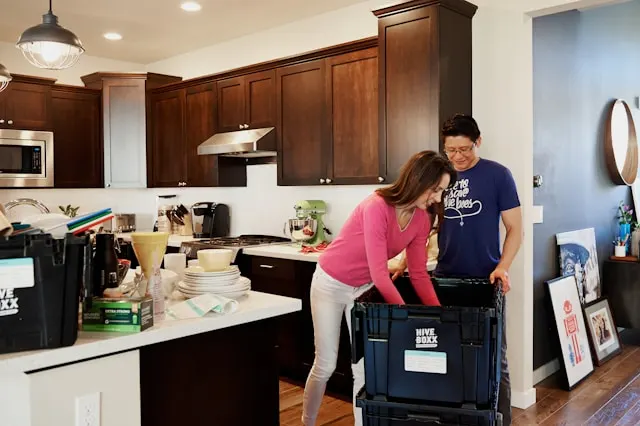
Preparing before you begin makes the decluttering process easier and more organized. A clear plan helps you stay focused, avoid feeling overwhelmed, and make better decisions about your belongings. Spending a few minutes getting ready can save time and help you complete each area with confidence.
Set a Realistic Goal
Start with a goal you can achieve. Instead of trying to organize your entire home in one day, focus on one room, one closet, or even one drawer at a time. Breaking the task into smaller steps makes the process more manageable and helps you stay motivated as you see steady progress.
Prepare Your Mindset
A positive mindset is just as important as having the right plan. Remember that decluttering is about creating a home that works better for your daily life, not achieving perfection. Take your time, make thoughtful decisions, and focus on keeping the items you truly use, need, or enjoy.
Gather Your Decluttering Supplies
Collect everything you need before you begin. Basic supplies such as storage bins, cleaning cloths, labels, markers, and trash bags can help you stay organized throughout the process. Keeping these items within reach allows you to work more efficiently without unnecessary interruptions.
Create Keep, Donate, Sell, Recycle, and Trash Boxes
Prepare separate boxes or bags for each category before sorting your belongings. Place useful items in the Keep box, donate items in good condition that you no longer use, set aside valuable items to Sell, put recyclable materials in the Recycle box, and throw away anything that is broken or no longer usable. This simple sorting method helps reduce clutter, keeps the process organized, and makes it easier to decide what to do with every item.
Use a Simple Decision Test
When you are unsure about an item, ask yourself three simple questions: Do I use it? Do I need it? Does it add value to my life?
If the answer is no to all three, the item may not need to stay in your home. If you still cannot decide, place it in your Maybe Box and review it later. This helps you make thoughtful decisions without feeling pressured to get rid of everything at once.
For items you rarely use, consider how often you actually need them and whether you have another item that serves the same purpose. Keeping fewer duplicate and unused items can make storage easier and free up valuable space.
Declutter Your Home Room by Room
The easiest way to declutter your home is to work on one room at a time. Finish one space before moving to the next. This approach keeps the process simple, helps you stay motivated, and creates lasting organizing habits.
Entryway
Step 1: Remove shoes, bags, umbrellas, mail, and other items that do not belong in the entryway.
Step 2: Sort everything into Keep, Donate, Recycle, or Trash.
Step 3: Place everyday essentials, such as keys and shoes, in designated storage areas.
Step 4: Wipe down surfaces and return only the items you use regularly.
Step 5: Keep the entryway clear to create a clean and welcoming first impression.
Living Room
Step 1: Remove items that belong in other rooms.
Step 2: Clear coffee tables, shelves, and side tables.
Step 3: Organize books, magazines, remote controls, and electronics.
Step 4: Keep only decorative items that add value to the space.
Step 5: Leave open surfaces to create a tidy and comfortable living area.
Kitchen
Step 1: Declutter one area at a time, such as the pantry, cabinets, or countertops.
Step 2: Throw away expired food and damaged containers.
Step 3: Group similar kitchen items together for easy access.
Step 4: Store frequently used cookware and utensils within reach.
Step 5: Keep countertops clear except for the items you use every day.
Dining Room
Step 1: Remove unnecessary items from the dining table.
Step 2: Organize serving dishes, tableware, and dining essentials.
Step 3: Store seasonal or rarely used items in cabinets.
Step 4: Wipe the table and surrounding surfaces.
Step 5: Keep the dining area open and ready for everyday meals.
Bedroom
Step 1: Sort clothes into Keep, Donate, Sell, or Recycle.
Step 2: Organize your closet, dresser, and bedside tables.
Step 3: Store seasonal clothing in labeled storage containers.
Step 4: Remove unnecessary items from under the bed.
Step 5: Keep only the essentials to create a relaxing and clutter-free bedroom.
Bathroom
Step 1: Remove expired medicines, cosmetics, and personal care products.
Step 2: Throw away empty or damaged containers.
Step 3: Organize toiletries by category.
Step 4: Use trays, baskets, or drawer organizers to maximize storage.
Step 5: Keep countertops clean by storing only everyday essentials.
Home Office
Step 1: Sort paperwork into Keep, Shred, or Recycle.
Step 2: File important documents in labeled folders.
Step 3: Organize office supplies and desk accessories.
Step 4: Bundle and manage cables to reduce visual clutter.
Step 5: Keep your desk clear except for the items you use daily to improve focus and productivity.
Garage or Storage Area
Step 1: Group similar items, such as tools, sports equipment, gardening supplies, and seasonal decorations.
Step 2: Remove broken, damaged, or unused belongings.
Step 3: Donate or recycle items you no longer need.
Step 4: Store everything in labeled bins or on sturdy shelves.
Step 5: Leave clear walkways and keep frequently used items within easy reach.
Smart Decluttering Tips
- Give every item a home: Assign a designated place for every belonging so it is easy to find and return after each use.
- Use the Maybe Box method: Place items you are unsure about in a labeled box for 30 to 90 days. If you do not use or miss them, donate, sell, or recycle them.
- Follow the One-In, One-Out Rule: Whenever you bring a new item into your home, remove one similar item to help prevent clutter from building up.
- Declutter for 15–20 minutes a day: Spend a few minutes organizing one small area each day to maintain a tidy, organized, and clutter-free home.
Keep Clutter From Coming Back
Decluttering works best when it becomes part of your normal routine. After organizing a room, take a few minutes each week to return items to their designated places and remove anything that no longer belongs there.
Before buying something new, consider where you will store it and whether you already own something similar. This simple habit can prevent unnecessary purchases and reduce future clutter.
A short weekly reset is often easier than waiting until an entire room becomes difficult to manage. Small maintenance habits help keep your home organized without requiring another major decluttering session.
Common Decluttering Mistakes to Avoid
Avoiding these common mistakes can save you time, reduce frustration, and help you maintain an organized home for the long term.
- Trying to declutter everything in one day: Focus on one room or one small area at a time. Breaking the work into manageable sessions helps you stay motivated and avoid feeling overwhelmed.
- Buying storage containers before decluttering: Sort your belongings first and decide what to keep. Once you know what you need to store, choose storage solutions that fit your space and belongings.
- Keeping items “just in case”: Ask yourself when you last used the item and whether you truly need it. If it no longer serves a purpose or adds value to your daily life, consider donating, selling, recycling, or discarding it.
- Skipping regular maintenance: Decluttering is not a one-time task. Spend a few minutes each week putting items back in their designated place to prevent clutter from building up again.
Frequently Asked Questions
Where should I start when decluttering my home?
Start with a small and easy-to-manage area, such as the entryway, a drawer, or a single closet. Completing one space at a time helps build momentum and keeps the process manageable.
How long does it take to declutter a house?
It depends on the size of your home and the amount of clutter. Most people can complete the process over several days or weeks by working on one room at a time.
How often should I declutter my home?
A quick decluttering session every week and a more thorough review every few months can help keep your home organized throughout the year.
What should I do with items I no longer need?
Donate, sell, recycle, or dispose of items based on their condition. Keeping only useful and meaningful belongings helps reduce unnecessary clutter. For practical guidance on reducing household waste, reusing items, and donating unwanted belongings, see the EPA’s waste reduction and reuse tips.
How can I stay organized after decluttering?
Return items to their designated place after use, follow simple organizing habits, and spend 15–20 minutes each day maintaining a clutter-free home.
Final Thoughts on Decluttering Your Home
Decluttering your home is not about getting rid of everything. It is about creating a space that is clean, organized, and easier to enjoy every day. By working one room at a time, building simple organizing habits, and maintaining a regular decluttering routine, you can reduce clutter and make your home more functional. Remember, lasting results come from small, consistent efforts. Start with one area, keep the process simple, and enjoy a cleaner, more organized home every day.

