



Moving to a new home can be exciting, but packing, organizing belongings, handling paperwork, and managing moving-day tasks can quickly become overwhelming. Without a clear plan, it is easy to forget important details or leave everything until the last minute.
A moving checklist can help you stay organized by breaking the process into manageable steps. From decluttering and packing to updating your address and settling into your new home, planning each stage can make your move smoother and less stressful.
8 Weeks Before Moving
Start planning early to give yourself enough time to organize the move and avoid last-minute stress.
1. Choose Your Moving Date
Set your moving date and consider your schedule and the availability of your preferred moving company.
2. Create a Moving Budget
Estimate costs for movers or a rental truck, packing supplies, transportation, storage, cleaning, deposits, and other moving expenses. For a better understanding of what can affect your budget, see our guide to moving costs. Leave some room in your budget for unexpected costs.
If you need temporary storage during your move, compare your options carefully before choosing a storage unit.
3. Research Moving Companies
Compare moving companies based on services, pricing, availability, customer reviews, insurance or valuation coverage, and additional fees. Get a written estimate and review the company’s cancellation and claims policies before choosing a mover. Ask about charges for stairs, long carries, elevators, packing services, storage, or other special requirements so you understand the potential total cost before booking. For additional guidance on comparing movers, estimates, insurance, and moving documents, see the FMCSA Moving Checklist. Keep copies of estimates, contracts, and other important moving documents for your records.
4. Start Decluttering
Sort your belongings into items to keep, donate, sell, recycle, or discard. Reducing clutter means fewer things to pack and move. For more practical ideas, see our guide on decluttering your home.
5. Organize Important Documents
Create a moving folder for estimates, contracts, receipts, utility information, and other important paperwork.
6. Check Building or Property Requirements
If you’re moving into or out of an apartment, condo, or managed property, check whether you need to reserve an elevator, loading area, parking space, or moving time slot. Renters should also review any move-out requirements from their landlord.
6 Weeks Before Moving
At six weeks out, focus on packing less-used items and organizing your belongings by room.
1. Pack Items You Rarely Use
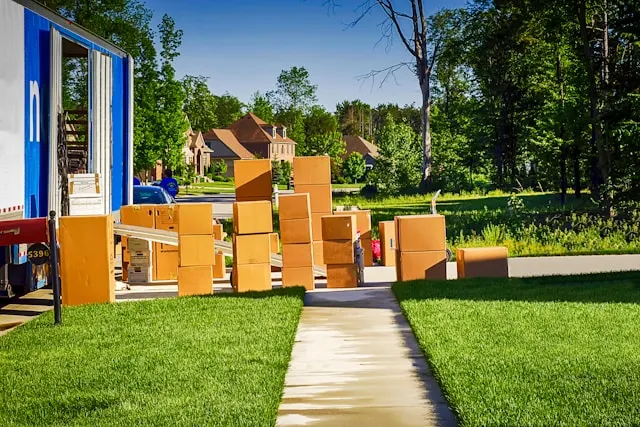
Pack seasonal clothing, decorations, books, and other items you won’t need before moving day.
2. Sort Belongings by Room
Keep items from each room together to make packing, labeling, and unpacking easier.
3. Donate, Sell, or Discard Unwanted Items
Remove belongings you no longer need before packing. Donate or sell useful items and discard anything broken or unusable.
4. Gather Packing Supplies
Stock up on sturdy boxes, packing tape, labels, bubble wrap, and other supplies you’ll need.
5. Pack Fragile Items Carefully
Wrap glassware, dishes, electronics, and other fragile belongings securely using suitable protective materials. Avoid overfilling boxes, place heavier items at the bottom when appropriate, and fill empty spaces to reduce movement during transport. Label fragile boxes clearly and keep valuable or irreplaceable items with you when possible.
6. Plan Your Furniture Placement
Decide where large furniture will go in your new home so you can guide movers and make unpacking easier.
7. Measure Large Furniture and Doorways
Measure large furniture and check doorways, stairways, hallways, and elevators at your new home. Compare the measurements with your furniture dimensions before moving day, especially for sofas, beds, wardrobes, and other oversized items. If access is tight, ask the moving company about alternative handling options in advance.
4 Weeks Before Moving
With four weeks left, focus on confirming your arrangements, updating your address, and preparing your new home’s essential services.
1. Confirm Your Moving Company
Confirm your moving company, moving date, arrival time, and any services included in your booking.
2. Update Your Address
Notify the post office, banks, insurance providers, utility companies, subscriptions, and other important services of your new address.
3. Arrange Utilities
Schedule electricity, water, gas, internet, and other essential services for your new home before moving day. Also confirm when services at your old home should be disconnected.
4. Continue Packing
Pack non-essential belongings and clearly label each box with its contents and the room it belongs in.
5. Organize Important Documents and Valuables
Keep identification, property documents, financial records, valuables, and other important items together in a secure place that you can easily access.
2 Weeks Before Moving
With two weeks left, focus on finishing your packing and preparing for moving day.
1. Pack Remaining Belongings
Pack most items you won’t need before moving day, leaving only daily essentials unpacked.
2. Label Every Box
Label each box with its room and a brief description of its contents to make unpacking easier.
3. Clean Empty Rooms
Clean each room, closet, and storage area as you finish packing and empty the space.
4. Review Final Moving Arrangements
Reconfirm the moving date, arrival time, address, and any special instructions with your moving company.
5. Prepare an Essentials Bag
Pack clothing, toiletries, medications, chargers, important documents, and other items you’ll need during the first few days.
6. Plan for Children and Pets
Arrange childcare or pet care if needed for moving day. Keeping children and pets away from busy loading areas can make the move safer and easier to manage.
1 Week Before Moving
With one week left, finish your preparations and make sure everything is ready for moving day.
1. Finish Packing
Pack the remaining non-essential belongings, leaving only the items you’ll need during your final week.
2. Disassemble Furniture
Disassemble beds, tables, shelves, or other large furniture if necessary. Keep screws and hardware together in labeled bags.
3. Clean the Home
Clean each room, including floors, cabinets, closets, and other areas, before moving out.
4. Prepare the Refrigerator and Freezer
Empty, clean, and defrost the refrigerator or freezer if it needs to be transported. Follow the appliance manufacturer’s instructions before moving it.
5. Keep Important Items Separate
Keep important documents, valuables, keys, and other essential items with you rather than packing them with the movers.
6. Gather Keys and Access Items
Keep keys, garage remotes, access cards, gate controls, and other property-related items together so they are ready to hand over when you leave.
7. Confirm Final Moving Details
Confirm the moving company’s arrival time, moving address, contact information, and any final instructions.
Moving Day Checklist
Keep essential items with you and complete a final check of your home before leaving.
1. Keep Essentials With You
Keep important documents, valuables, keys, medications, chargers, and essential personal items with you instead of loading them with the movers.
2. Have Boxes Ready
Make sure all boxes are securely packed, properly sealed, and clearly labeled by room and contents.
3. Check Every Area
Before leaving, check every room, closet, cabinet, garage, attic, and storage area to make sure nothing is left behind.
4. Confirm Everything Is Loaded
Walk through the home and confirm that all furniture, boxes, and other belongings have been loaded before the movers leave.
5. Photograph Valuable Items and the Property
Take photos of valuable belongings and the condition of the property before leaving. Keep the photos with your moving records in case you need them later.
6. Record Utility Meter Readings
Record electricity, gas, or water meter readings if required by your utility provider, landlord, property manager, or local procedures.
7. Do a Final Property Check
Take one final walk through the property and check every room, closet, cabinet, garage, and storage area. Check doors and windows, turn off anything that should be switched off, and make sure you have all keys and personal belongings.
Your First Day in the New Home
Focus on the essentials first instead of trying to unpack everything at once.
1. Locate Essential Items
Find your essentials bag, important documents, keys, chargers, medications, toiletries, and other items you’ll need immediately.
2. Check the Utilities
Make sure electricity, water, gas, internet, and other essential services are working properly. Also check that the heating and cooling systems are functioning as expected.
3. Locate Main Utility Shutoffs
Locate the main water, electricity, and gas shutoffs, if applicable. Knowing where they are can help you respond quickly to an emergency.
4. Unpack Your Essentials Box
Set up the items you’ll need for the first day and night, including basic kitchen supplies, toiletries, bedding, and clothing.
5. Inspect the Home
Check the new home for visible damage, leaks, electrical issues, or other immediate problems. Take photos of any pre-existing damage and keep them with your moving or property records if you need to refer to the condition of the home later.
6. Check Safety Devices
Check smoke and carbon monoxide detectors and replace batteries if needed. Make sure you know where the home’s basic safety equipment is located.
7. Set Up the Bedroom and Bathroom
Set up your bed, basic bathroom supplies, and other essentials first so you can rest and settle in comfortably.
8. Consider Changing Locks or Access Codes
If appropriate, consider changing door locks, garage codes, smart-lock access, or other security credentials after moving in.
9. Unpack One Room at a Time
Work through one room before moving to the next. Start with the rooms you use most and avoid opening every box at once.
Things to Declutter Before Moving
Before packing, sort through your belongings and remove items you no longer need. Decluttering can reduce what you have to pack, move, and unpack in your new home.
1. Clothes You No Longer Wear
Set aside clothes that no longer fit, are worn out, or haven’t been used in a long time. Donate or sell items that are still in good condition.
2. Broken or Damaged Items
Get rid of items that are broken, damaged, or no longer worth repairing instead of moving them to your new home.
3. Duplicate Kitchenware
Keep only the kitchen items you regularly use. Donate or sell duplicate plates, utensils, cookware, and small appliances.
4. Unused Furniture
Consider donating or selling furniture that doesn’t fit your new space or that you rarely use.
5. Old Paperwork
Review old paperwork and remove documents you no longer need. Securely shred paperwork containing sensitive personal or financial information before disposal, while keeping important records for as long as required.
6. Unused Electronics
Sort through old phones, cables, chargers, and electronics you no longer use. Recycle them properly rather than packing them for the move.
7. Expired Food
Check your pantry, refrigerator, and freezer for expired or unwanted food. Use what you can before moving and dispose of anything that should not be transported.
8. Old Cables and Chargers
Sort through spare cables, chargers, and accessories. Keep only those you can identify and are likely to use.
9. Duplicate Tools and Household Items
Remove duplicate tools, cleaning supplies, and household items that you rarely use or no longer need.
10. Unused Hobby or Sports Equipment
Donate or sell hobby, sports, or recreational equipment that you no longer use, or that will not fit your new space.
11. Items You Haven’t Used in Years
If you haven’t used something in years and don’t expect to need it, consider donating, selling, recycling, or discarding it before moving.
Final Moving Checklist
Use this quick checklist to make sure the most important moving tasks are complete:
☐ Confirm your moving date and arrangements
☐ Create a moving budget
☐ Research and compare moving companies
☐ Declutter unwanted belongings
☐ Gather packing supplies
☐ Pack and label all boxes
☐ Update your address
☐ Arrange utilities at your new home
☐ Prepare an essentials bag
☐ Keep valuables and important documents with you
☐ Gather keys and access items
☐ Clean your old home
☐ Check every room and storage area
☐ Confirm everything has been loaded
☐ Check utilities and safety devices in your new home
☐ Unpack your essentials first
Frequently Asked Questions
How far in advance should I hire movers?
If you’re using professional movers, start comparing companies several weeks before your move. Book early if you’re moving during a busy season or need a specific moving date.
What should I pack first when moving?
Start with items you rarely use, such as seasonal clothing, decorations, books, and non-essential household items.
What should I keep with me on moving day?
Keep important documents, valuables, keys, medications, chargers, and essential personal items with you instead of loading them with the movers.
What should I keep in my moving-day essentials bag?
Keep items you may need immediately, including medications, important documents, phone chargers, toiletries, a change of clothes, basic cleaning supplies, snacks, water, and any essential items for children or pets. Keep the bag with you rather than loading it onto the moving truck.
What should I not pack in a moving truck?
Avoid packing hazardous, flammable, or otherwise restricted items. Moving companies may have different rules about what they will transport, so check your mover’s current prohibited-items list before packing. If you are unsure about a particular item, ask the moving company before moving it.
What should I unpack first in a new home?
Start with essentials such as toiletries, bedding, medications, chargers, basic kitchen supplies, and clothing. Then unpack one room at a time.
Final Thoughts on Moving Checklist
Moving is easier to manage when you break the process into smaller steps and prepare ahead of time. Use this moving checklist to plan your budget, declutter and pack in stages, confirm moving arrangements, prepare your old and new home, and keep essential items with you on moving day. Following the timeline can help you stay organized, avoid last-minute tasks, and make settling into your new home easier.

